
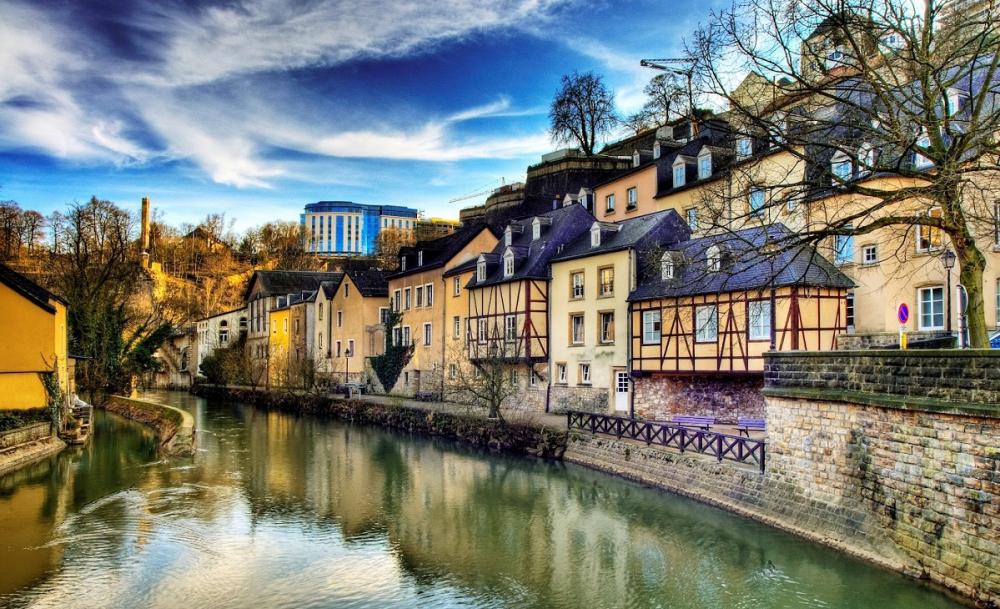

Nestled in the heart of Western Europe, Luxembourg is a small yet remarkable country with a rich tapestry of history, culture, and natural beauty. The capital city, also named Luxembourg, is a vibrant hub that reflects the nation’s unique blend of influences, making it a must-visit destination for travelers seeking both charm and depth.
History and Origins
The history of Luxembourg dates back to the Roman era when it was known as Lucilinburhuc, a humble fortress established around 963 AD by Count Siegfried. This strategic location on a rocky outcrop allowed it to flourish into a significant fortification. Over the centuries, it evolved into a vital trade and military center, with its fortifications becoming one of the most formidable in Europe.
Key historical events include the Treaty of London in 1867, which established Luxembourg as a neutral state, and the country's occupation during both World Wars, which shaped its modern identity. Post-war, Luxembourg emerged as one of the founding members of the European Union, symbolizing its commitment to peace and cooperation. Today, the country's historical sites, such as the Bock Casemates, a UNESCO World Heritage site, offer visitors a glimpse into its storied past.
Art and Architecture
The architectural landscape of Luxembourg is a captivating blend of styles, reflecting its varied historical influences. The Grand Ducal Palace, with its Renaissance façade, is a stunning centerpiece that showcases the country’s royal heritage. The Notre-Dame Cathedral, built in the Gothic style, is another architectural marvel featuring intricate stained glass windows and a breathtaking organ.
Art in Luxembourg is equally vibrant, with institutions like the Mudam Luxembourg presenting contemporary works that challenge and inspire. Local artists such as Michel Majerus and Sophie Jung have gained international recognition, highlighting the country’s growing presence in the global art scene. The annual Luxembourg Art Week further celebrates this rich artistic culture, drawing creators and enthusiasts from around the world.
Local Culture and Traditions
Luxembourg's culture is a fascinating mosaic of German, French, and Belgian influences, evident in its traditions and customs. The country is renowned for its festivals, such as the National Day on June 23, which features grand celebrations, fireworks, and a vibrant parade honoring the Grand Duke and Duchess.
Another notable event is the Schueberfouer, a traditional fair held in late summer that dates back to 1340, offering thrilling rides, games, and an array of local delicacies. The Luxembourgish language, a mix of German, French, and native dialects, is a cornerstone of national identity, with cultural expressions that reflect the people’s unique heritage.
Gastronomy
Luxembourg's culinary scene is a delightful reflection of its cultural diversity. Traditional dishes such as Judd mat Gaardebounen (smoked pork with broad beans) and Gromperekichelcher (potato cakes) are beloved staples. The influence of neighboring countries is evident in the popularity of pastries like Bretzel and Kachkéis, a soft cheese spread enjoyed with bread.
The country also boasts a burgeoning wine industry, particularly along the Moselle River, where vineyards produce exquisite white wines, especially Riesling and Pinot Grigio. Local breweries craft a variety of beers, making Luxembourg a destination for food and drink enthusiasts alike.
Lesser-Known Curiosities
Despite its small size, Luxembourg is packed with hidden gems and surprising stories. Did you know that the country has its own national anthem, “Ons Heemecht,” which reflects the deep sense of pride among its citizens? Additionally, Luxembourg City is one of the few cities in the world where you can see fortifications integrated into a modern urban setting.
Another curiosity is the Mullerthal Trail, often referred to as "Little Switzerland," which showcases Luxembourg's stunning natural landscapes, with trails winding through dense forests, rocky cliffs, and picturesque villages. This hidden corner of the country is perfect for hiking enthusiasts looking to escape the bustling city life.
Practical Visitor Information
The best time to visit Luxembourg is during the spring (April to June) and autumn (September to October) when the weather is pleasantly mild, and the scenery is at its most picturesque. Visitors should not miss the opportunity to explore the Grund district, with its charming cobblestone streets and quaint cafés, as well as the Luxembourg City History Museum for a deeper understanding of the city’s past.
For those looking to delve deeper into the local culture, attending a cooking class or a wine-tasting tour can provide an authentic experience. Public transport is efficient, making it easy to explore not only the capital but also the lush countryside and surrounding towns.
To make the most of your time in this enchanting country, consider utilizing the Secret World app to craft a personalized AI itinerary for your visit.


