



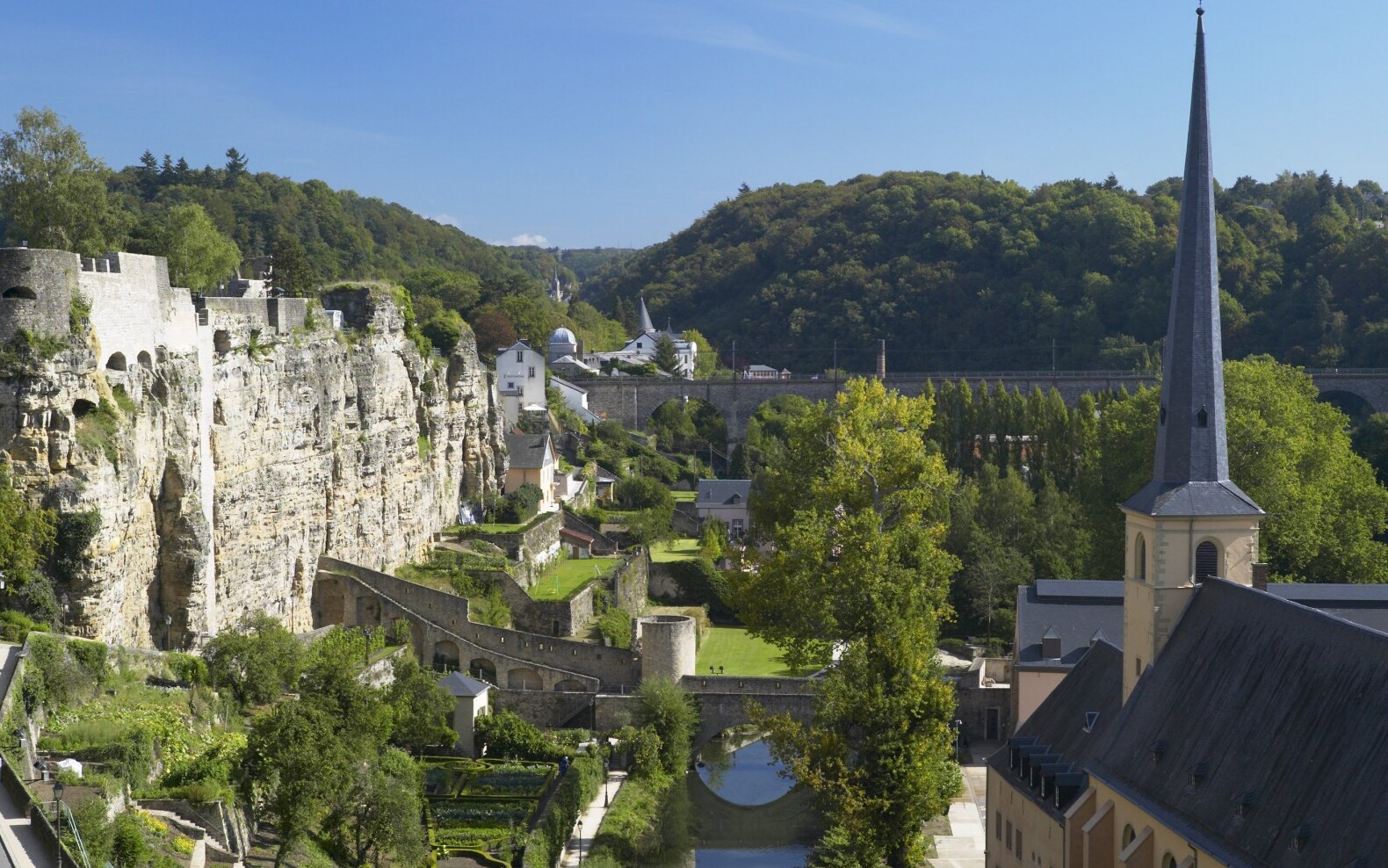
Nestled within the heart of Luxembourg City, the Bock Casemates stand as a testament to the nation’s rich history and architectural prowess. Recognized as a UNESCO World Heritage site in 1994, these intricate fortifications were carved into a sandstone promontory overlooking the Alzette Valley during the 16th and 17th centuries. This remarkable underground complex, originally spanning 23 kilometers, reveals the ingenuity of military engineering and the historical significance of Luxembourg as a strategic stronghold in Europe.
### History and Origins The history of the Bock Casemates is deeply intertwined with that of Luxembourg itself. The city’s fortifications began in the 10th century under the rule of Count Siegfried, who established the first castle on the Bock plateau. Over the centuries, the site transformed into a formidable fortress, especially during the Spanish and Austrian rule. The casemates were expanded significantly under Spanish rule in the late 1500s, with additional developments continuing into the Austrian era. By the 17th century, the site boasted an extensive network of tunnels, capable of housing a garrison of 1,200 soldiers alongside essential facilities like bakeries and stables.
### Art and Architecture The architectural style of the Bock Casemates reflects a blend of military pragmatism and Baroque aesthetics. Constructed primarily from sandstone, the casemates feature robust walls designed to withstand sieges while providing shelter for troops. The tunnels are intricately designed, with arched ceilings and strategic openings for cannon placements. Notably, the casemates are adorned with historical inscriptions and remnants of military life, giving visitors a glimpse into the past. The complex is not merely a military structure; it is a canvas that narrates the story of Luxembourg's evolution through artful craftsmanship.
### Local Culture and Traditions Luxembourg’s culture is a tapestry woven from various influences, owing to its geographical location. The Bock Casemates play a significant role in local traditions, particularly during national celebrations. National Day, celebrated on June 23, sees locals gathering to honor their heritage, often with fireworks visible from the casemates. Additionally, the Fête de la Musique in June features performances throughout the city, including the casemates, where the echoes of music blend with the ancient stone walls, creating a unique atmosphere.
### Gastronomy A visit to Luxembourg would be incomplete without indulging in its unique gastronomy. Local specialties such as Judd mat Gaardebounen (smoked pork with broad beans) and Gromperekichelcher (potato fritters) reflect the hearty essence of Luxembourgish cuisine. Accompanying these dishes, Crémant de Luxembourg, a sparkling wine produced in the region, offers a delightful complement to any meal. Visitors can often find these delectable offerings in local eateries near the Bock Casemates, allowing for a full immersion into the local culinary scene.
### Lesser-known Curiosities While the Bock Casemates are a well-trodden path for tourists, several lesser-known facts make them even more intriguing. For instance, the casemates were once home to a secret underground church, hidden from the prying eyes of enemies. Additionally, the complex's original design included numerous escape routes, ensuring that its occupants could flee if besieged. Notably, during World War II, the casemates served as a refuge for locals seeking shelter during air raids, further cementing their role in Luxembourg's history.
### Practical Visitor Information The best time to visit the Bock Casemates is during the spring and early autumn, when the weather is mild and conducive for exploring the underground passages. The site is open to visitors year-round, with guided tours available that delve into the rich history and architecture of the complex. Be sure to look out for the panoramic views from the Bock plateau, where the merging of the Alzette and Pétrusse rivers can be admired.
For those planning a visit, comfortable footwear is recommended due to the uneven terrain within the casemates. Additionally, taking a moment to explore the surrounding areas, including the Chemin de la Corniche, offers stunning views of the fortifications against the backdrop of Luxembourg City.
In conclusion, the Bock Casemates embody the spirit of Luxembourg—resilient, historically rich, and culturally vibrant. To fully appreciate this UNESCO World Heritage site and the surrounding wonders, consider using the Secret World app to curate your personalized itinerary for your journey through Luxembourg.
