



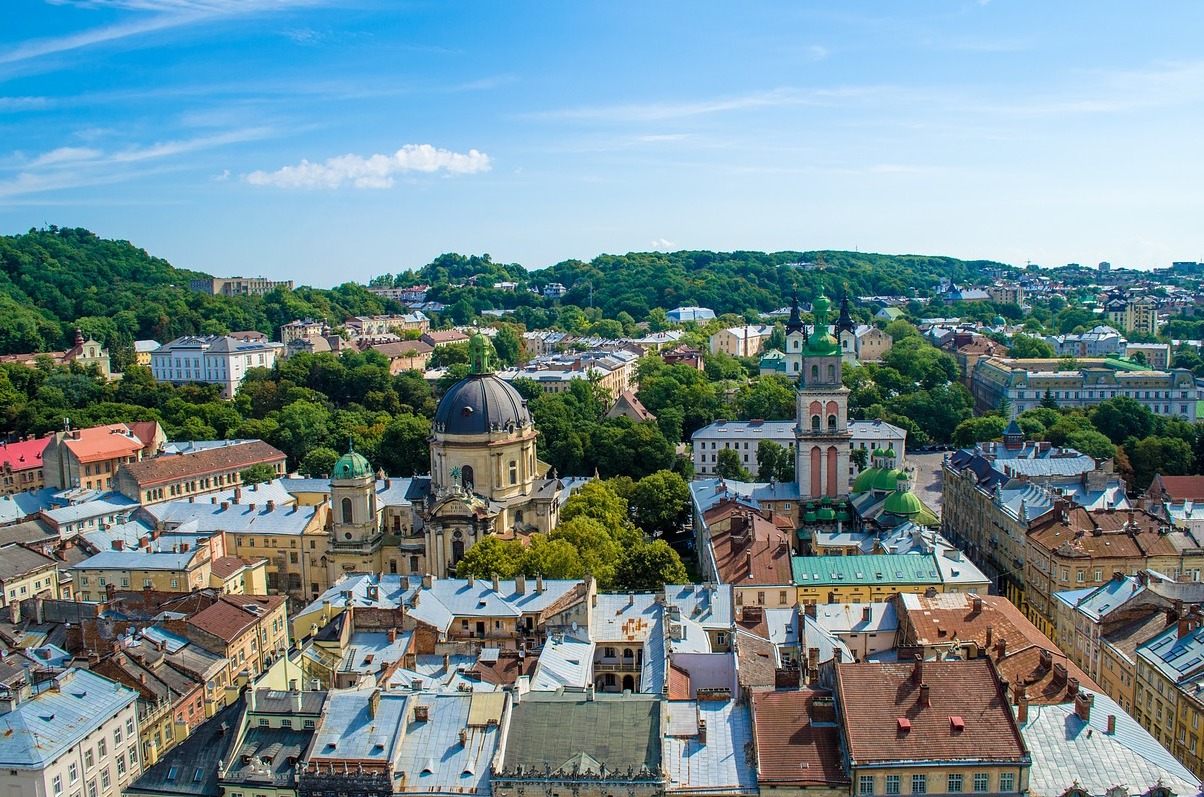
Lviv, the largest city in western Ukraine, is a mosaic of history, art, and culinary delights. Nestled in the picturesque landscape east of the Carpathians, its Old Town is a UNESCO World Heritage Site, revealing layers of its diverse past. Founded in the mid-13th century, Lviv has seen influences from the Polish and Austro-Hungarian Empires, the Russian Empire, and the Soviet Union. Each era has left indelible marks on its cultural fabric, making it a fascinating destination for travelers seeking history and charm.
The city’s historical origins trace back to 1256 when Prince Danylo Halytsky established a settlement named after his son, Lev. By the 14th century, Lviv became part of the Kingdom of Poland, flourishing as a trade hub thanks to its strategic location along key trade routes. The Austro-Hungarian influence in the 18th and 19th centuries transformed its architecture, evident in the neo-Gothic and Art Nouveau buildings that line its streets. Throughout its tumultuous history, Lviv survived the ravages of World War II, preserving its Old Town, where the rich tapestry of architectural styles tells stories of resilience.
Walking through Lviv’s Old Town, one can admire the stunning Renaissance, Baroque, and Gothic architecture. The Lviv Theatre of Opera and Ballet, inaugurated in 1900, is a prime example of the city’s artistic grandeur, showcasing intricate frescoes and opulent decor. Art lovers should not miss the National Museum and the Museum of Ethnography and Crafts, which house remarkable collections of Ukrainian art and artifacts, reflecting the city’s artistic significance.
Lviv is not only about architecture; it is also a vibrant center of local culture and traditions. The Lviv Coffee Mining Manufacture, a quirky café, embodies the city's coffee culture, which dates back to the 18th century. The annual Lviv Coffee Festival, held every September, celebrates this rich tradition, attracting passionate baristas and coffee enthusiasts from around the world. Festivals like Lviv’s Easter Fair showcase vibrant Ukrainian customs, featuring beautifully decorated eggs and traditional crafts, while the Lviv Book Forum highlights the city’s literary heritage.
Culinary exploration in Lviv is a treat for the senses. The city is famous for its syrniki (cottage cheese pancakes) and varenyky (dumplings), often filled with potatoes, cheese, or cherries. Pair these with a cup of Lviv coffee or a glass of medivka, a honey-based beverage, for an authentic experience. Don’t forget to try Lviv’s famous chocolate, crafted by local chocolatiers, particularly at the Lviv Chocolate Factory, where visitors can indulge in sweet delights that have captivated locals for generations.
For those willing to dig deeper, Lviv holds many lesser-known curiosities. Did you know that the city is home to the Lviv Cemetery, a historical site reminiscent of Paris’s Père Lachaise? Here, notable figures from Ukrainian history lie in rest, and the ornate tombs are a testament to the city's artistic legacy. Another hidden gem is the Bernardine Monastery, which houses a stunning baroque church and a tranquil courtyard, perfect for a peaceful retreat amid the urban bustle.
The best time to visit Lviv is during the spring and autumn months, when the weather is mild, and the city is awash with vibrant colors. Be sure to wear comfortable shoes, as exploring Lviv’s cobblestone streets is best done on foot. Look for the High Castle Park, which offers panoramic views of the city, especially stunning at sunset.
In conclusion, Lviv is a captivating blend of history, culture, and gastronomy, offering visitors a unique glimpse into Ukraine’s rich heritage. From its stunning architecture to its culinary delights, Lviv promises memorable experiences that resonate long after your visit. To make the most of your journey, consider using the Secret World app to craft a personalized itinerary that showcases this enchanting city’s hidden treasures.
