
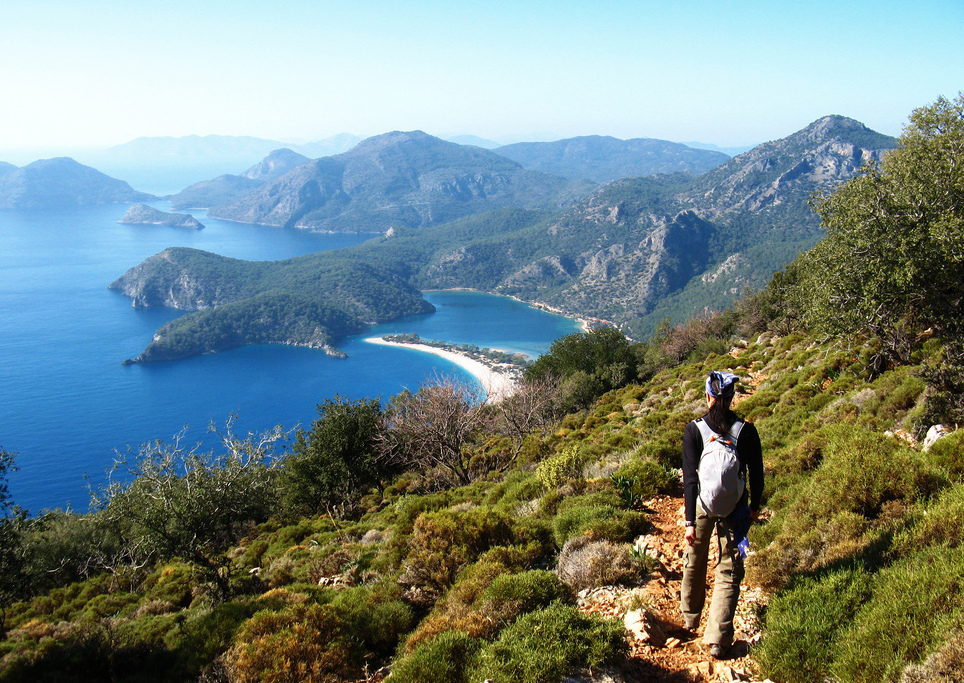

The Lycian Way is not just a footpath; it’s a journey through time, weaving together the rich tapestry of ancient civilizations that once thrived along the Tekke Peninsula. Stretching 540 kilometers from Fethiye to Antalya, this route is Turkey’s first long-distance trekking path and offers a breathtaking combination of rugged coastal beauty and deep historical significance.
History and Origins
The history of Lycia dates back to the 2nd millennium BC, with its earliest inhabitants believed to be the Luwians, an ancient Anatolian people. The region flourished under the rule of the Lycians, who established a confederation of city-states around the 5th century BC. Known for their democratic governance, the Lycians cultivated a unique identity that blended influences from the Persians, Greeks, and later the Romans.
One of the most notable historical events was the Lycians’ alliance with Alexander the Great in the 4th century BC, which marked the beginning of significant Greek influence in the area. After becoming a Roman province in 43 BC, Lycia thrived, with the construction of roads, theaters, and intricate tombs. Many of these remnants can still be seen along the Lycian Way, including the stunning rock-cut tombs in Amyntas and the ancient theatre in Patara.
Art and Architecture
The art and architecture of Lycia are captivating, characterized by a blend of local and foreign influences. The most striking examples can be found in the ornate rock tombs scattered throughout the region, often adorned with elaborate reliefs depicting mythological scenes and local deities. The tomb of Amyntas, with its grand façade, serves as a prime example of how Lycians merged Hellenistic style with their own artistic traditions.
Visitors will also encounter the remains of ancient cities like Xanthos, a UNESCO World Heritage site, showcasing the impressive Roman theater and the monumental Nereid Monument. This architectural splendor tells a story of a civilization that valued artistic expression and civic pride.
Local Culture and Traditions
Today, the spirit of the Lycians lives on through the customs and traditions of the local communities. One of the most vibrant expressions of this culture can be seen during the annual Köyceğiz Festival, held in late July, which celebrates local crafts, music, and dance. Visitors can participate in traditional dances, sample handcrafted goods, and immerse themselves in the lively atmosphere.
The region also holds a deep-rooted significance in the local fishing and agricultural practices, where time-honored methods are still used. The annual olive harvest, celebrated with local feasts, highlights the importance of agriculture in Lycian culture, connecting modern inhabitants with their ancient ancestors.
Gastronomy
The culinary landscape of the Lycian Way is as diverse as its history, with influences from Mediterranean and Middle Eastern cuisines. Local specialties include pide, a type of Turkish flatbread topped with various ingredients, and meze, a selection of small dishes perfect for sharing. Seafood lovers will relish fresh catches from the Mediterranean, including grilled fish and calamari.
Another staple is kebap, often served with fragrant rice and seasonal vegetables, while dessert options like baklava and lokum provide a sweet finish to any meal. Don’t miss the opportunity to try çay (Turkish tea) served in traditional tulip-shaped glasses, a symbol of hospitality in the region.
Lesser-Known Curiosities
While the Lycian Way is famous for its stunning landscapes and historical sites, some hidden gems remain off the beaten path. For instance, the Letoon, an ancient sanctuary dedicated to the goddess Leto, is often overshadowed by more prominent ruins but offers a profound insight into Lycia’s religious practices.
Another fascinating aspect is the Xanthos Valley, where the ancient city of Xanthos is located. Here, you may stumble upon the remains of a once-thriving Lycian community, including the Lion Tomb, which narrates tales of Lycia’s past through its intricate carvings.
Practical Visitor Information
The best time to trek the Lycian Way is during the spring (April to June) and autumn (September to October) when temperatures are mild and the landscapes are lush. Although the trail is well-marked, it’s advisable to carry a reliable map or guidebook.
Hiking enthusiasts should prepare for varied terrain; from rocky coastal paths to steep mountain trails, each segment offers unique challenges and rewards. Don’t forget to carry plenty of water and snacks, and be sure to take your time to soak in the stunning vistas and historical sites along the way.
With its rich history, vibrant culture, and exquisite natural beauty, the Lycian Way is a trek that promises adventure and discovery at every turn. To enhance your journey, consider using the Secret World app to create a personalized AI itinerary tailored to your interests.


