



Nestled high in the Andes, Machu Picchu stands as a testament to the ingenuity and ambition of the Inca Empire, a civilization that thrived from the early 15th century until the Spanish Conquest in the 16th century. This breathtaking citadel, often shrouded in mist and mystery, provides a glimpse into the lives of the Incas at the height of their power. Built in the mid-15th century under the reign of Pachacuti, the ninth Sapa Inca, Machu Picchu was likely a royal retreat or a religious site, although its exact purpose remains a subject of scholarly debate.

Machu Picchu was abandoned in the 16th century, possibly due to the Spanish conquest, and remained largely unknown to the outside world until its rediscovery by American historian Hiram Bingham in 1911. Bingham’s expedition led to the site being recognized globally, spurring interest that has made it one of the most visited archaeological sites in the world. Today, it is a UNESCO World Heritage Site and one of the New Seven Wonders of the World, attracting travelers from all corners of the globe.
The architectural brilliance of Machu Picchu is evident in its precisely cut stonework, which has withstood centuries of seismic activity. The Incas used an advanced technique called ashlar, where stones are meticulously carved to fit together without the use of mortar. This technique not only exemplifies their architectural prowess but also highlights their deep understanding of their environment. Key structures include the Temple of the Sun, which features a carved rock that aligns with the sun during the winter solstice, and the Intihuatana stone, often referred to as a ritual stone associated with astronomy and agriculture.
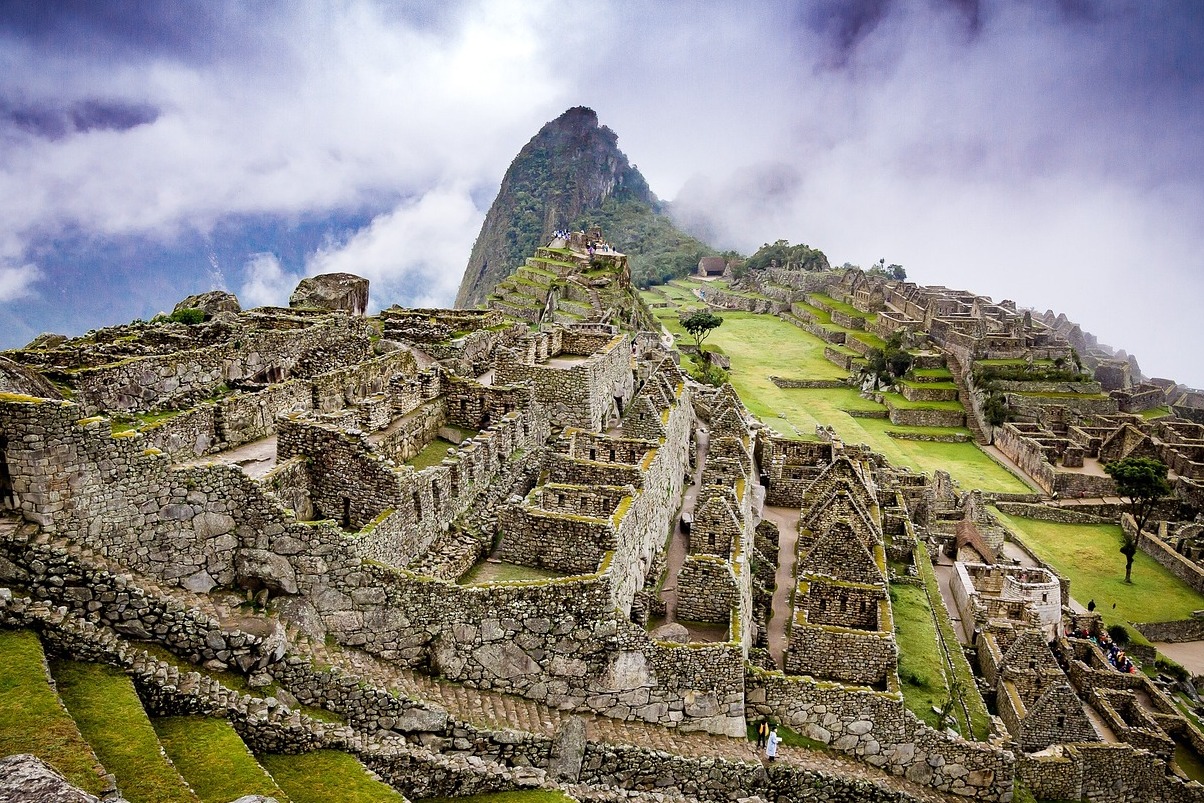
The walls of Machu Picchu are adorned with niches and trapezoidal windows that not only serve aesthetic purposes but also play a role in regulating temperature and light within the structures. The site’s layout, with its terraced fields and sophisticated irrigation systems, speaks volumes about the Incas' agricultural practices and their ability to adapt to the rugged Andean terrain.
Culturally, Aguas Calientes, the gateway town to Machu Picchu, is steeped in the traditions of the Quechua people, the descendants of the Incas. The local community celebrates various festivals throughout the year, including Inti Raymi (Festival of the Sun), held annually in June to honor the sun god, Inti. This vibrant celebration includes traditional music, dance, and rituals reminiscent of Inca practices, allowing visitors to experience the living culture that has persisted through centuries.
In Aguas Calientes, visitors can indulge in the region's unique gastronomy, which reflects the fusion of indigenous ingredients and culinary traditions. Ceviche, a dish made with fresh fish marinated in lime juice, is a staple, as is alpaca meat, known for its tenderness and flavor. Local delicacies also include lomo saltado, a stir-fry dish that combines Peruvian and Chinese influences. For a sweet treat, don’t miss out on choclo con queso, a dish featuring large kernels of corn served with cheese, embodying the flavors of the Andes.
As you explore the ruins and surrounding landscapes, you may stumble upon lesser-known curiosities that add depth to your visit. For instance, the Inca Trail, a multi-day trek leading to Machu Picchu, was once a sacred path for pilgrims and is lined with ancient temples and breathtaking scenery. Additionally, the Inca Bridge, a hidden feature of the site, showcases the Incas’ advanced engineering skills and their strategic military defenses.
For those looking to visit, the best time to experience Machu Picchu is during the dry season, from May to September. Early morning visits are particularly enchanting, as you can witness the sunrise illuminating the ruins, often before the crowds arrive. Be sure to book tickets in advance, as daily visitor numbers are limited to preserve the site. Consider taking the time to explore the surrounding areas, such as Huayna Picchu, which offers panoramic views and a more challenging hike.
As you plan your adventure to this magnificent site, remember to take your time to absorb the history, culture, and natural beauty that surrounds Machu Picchu and Aguas Calientes. It’s a journey that transcends mere sightseeing, allowing you to connect with the enduring spirit of the Inca civilization.
For a truly personalized experience, you might find it helpful to use the Secret World app to plan your itinerary in Aguas Calientes.
