



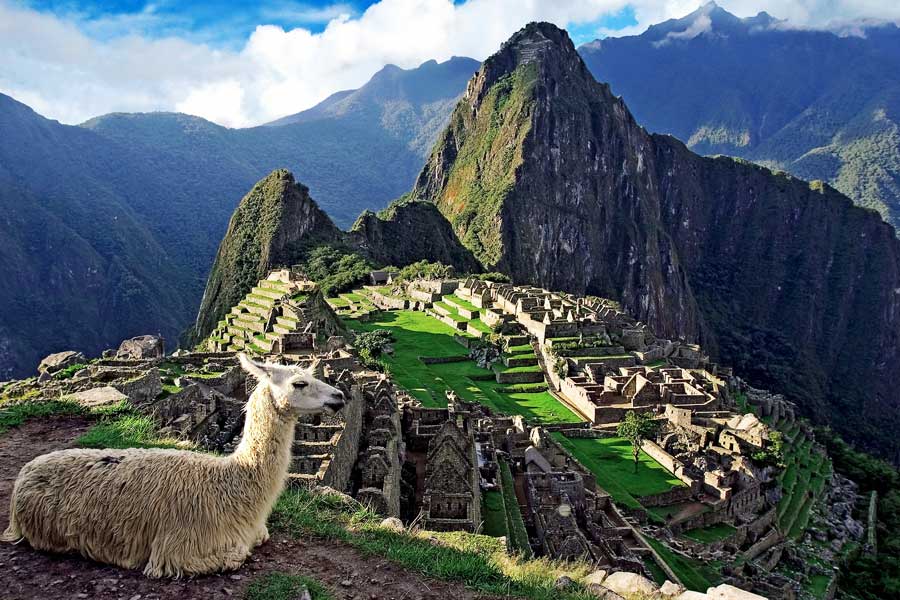
Perched high in the Andes Mountains of Peru, Machu Picchu is a breathtaking testament to the ingenuity and artistry of the Inca civilization. Nestled in the lush, verdant landscape near Aguas Calientes, this ancient citadel, often mistakenly called the "Lost City of the Incas," draws in explorers and history buffs alike with its enigmatic allure.

The history of Machu Picchu is as captivating as its vistas. Built in the 15th century during the reign of the Inca emperor Pachacuti, the site served as a royal estate and a religious retreat. Its strategic location, 2,430 meters above sea level, was likely chosen for its proximity to the Inca capital of Cusco and its commanding views of the Urubamba River. The Incas abandoned Machu Picchu in the 16th century as the Spanish Conquistadors spread through Peru, though it was never discovered by the invaders. This oversight allowed Machu Picchu to remain remarkably well-preserved until its "rediscovery" in 1911 by American historian Hiram Bingham.
Architecturally, Machu Picchu is a marvel of engineering and design. The site is divided into two main areas: the agricultural sector, with its famous terraces, and the urban sector, where temples, plazas, and residential buildings are found. The Temple of the Sun is particularly notable for its intricate stonework, designed to align with the sun’s rays during the solstices. The precision of the stone masonry, which fits together without mortar, reflects the Incas' advanced understanding of both construction and astronomy.
Culturally, Machu Picchu was a sacred place, a hub of religious and cultural activity. Today, the spiritual significance of the site endures, with local Quechua communities maintaining traditional rituals and ceremonies. Festivals such as Inti Raymi, the Festival of the Sun, are celebrated annually in Cusco, showcasing vibrant dances, music, and traditional attire, reflecting the deep-rooted connection between the people and their ancestral lands.
No exploration of Machu Picchu would be complete without indulging in the local gastronomy. The region offers a rich culinary tradition influenced by the bounty of the Andes. Cuy (guinea pig) is a traditional dish that has been a staple since Inca times. Pachamanca, a communal meal cooked in an earthen oven, is another must-try, offering a delicious blend of meats, potatoes, and spices. For a refreshing drink, chicha, a fermented corn beverage, provides a taste of local history in each sip.
Beyond the well-trodden paths, Machu Picchu holds many lesser-known curiosities. One such feature is the Intihuatana Stone, a ritual stone associated with astronomy. It is believed to have functioned as a sundial, marking significant celestial events. Another intriguing detail is the intricate water management system, which includes over 100 channels and fountains, highlighting the Incas' sophisticated understanding of hydraulics.
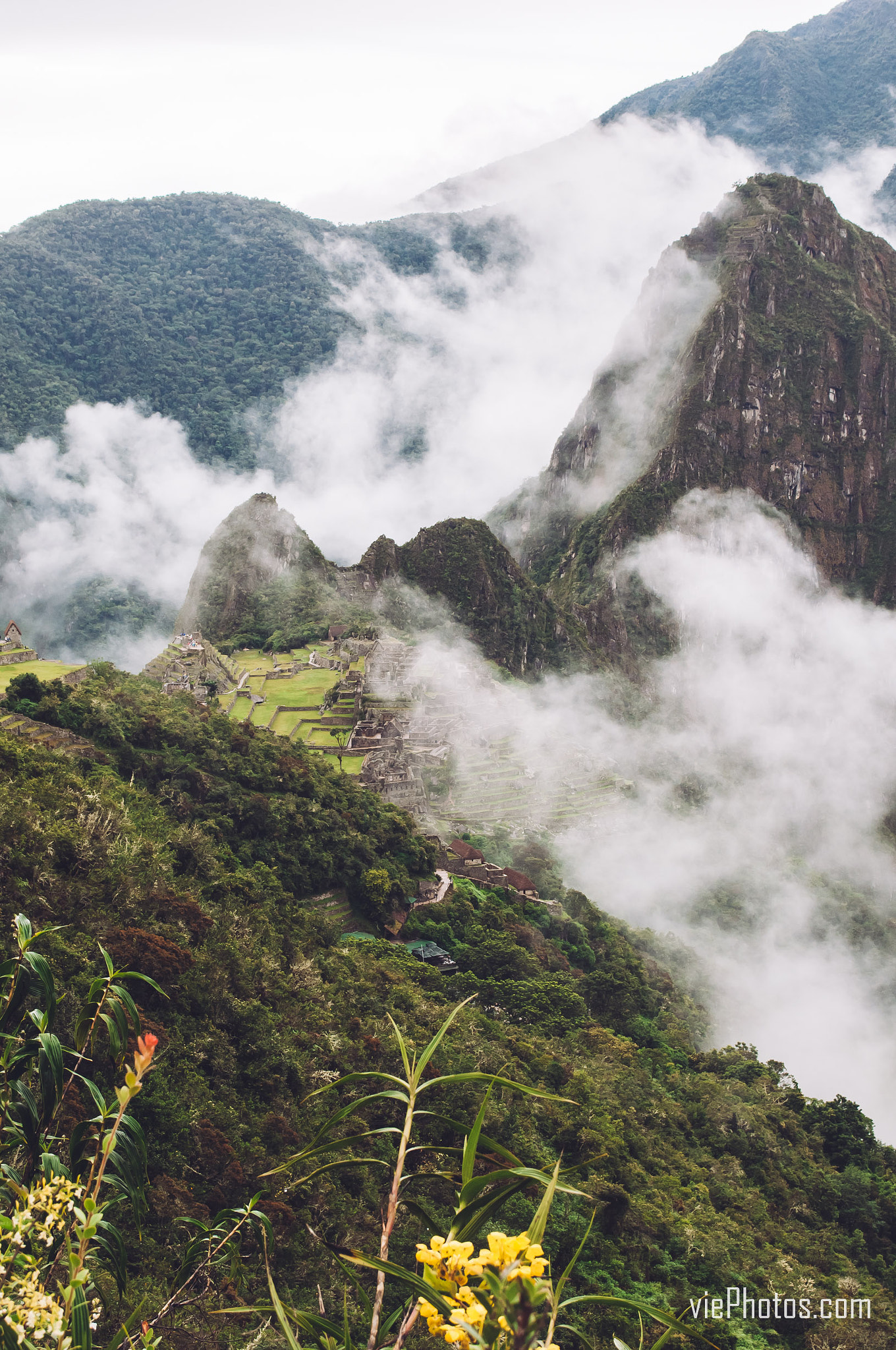
For those planning to visit, timing is key. The best period to explore Machu Picchu is during the dry season, from May to September, when the weather is typically clear and the risk of rain is lower. Arriving early in the morning offers a chance to witness the mist lifting from the mountains, revealing the ruins in all their glory. Visitors should take time to hike to the Huayna Picchu peak for a panoramic view, though the steep climb is not for the faint-hearted.
Practical tips can enhance the experience. It’s advisable to book tickets and accommodation well in advance, as the number of daily visitors is limited to preserve the site. Hiring a knowledgeable guide can provide deeper insights into the history and significance of each structure. Lastly, respect for the sacredness of the site is paramount; visitors should tread lightly and follow guidelines to help preserve this world heritage for future generations.
As you stand amidst the ancient stones of Machu Picchu, it’s easy to feel a profound connection to a bygone era. The site's blend of history, culture, and natural beauty creates an unforgettable tapestry that captivates the imagination and leaves an indelible mark on the soul.
