



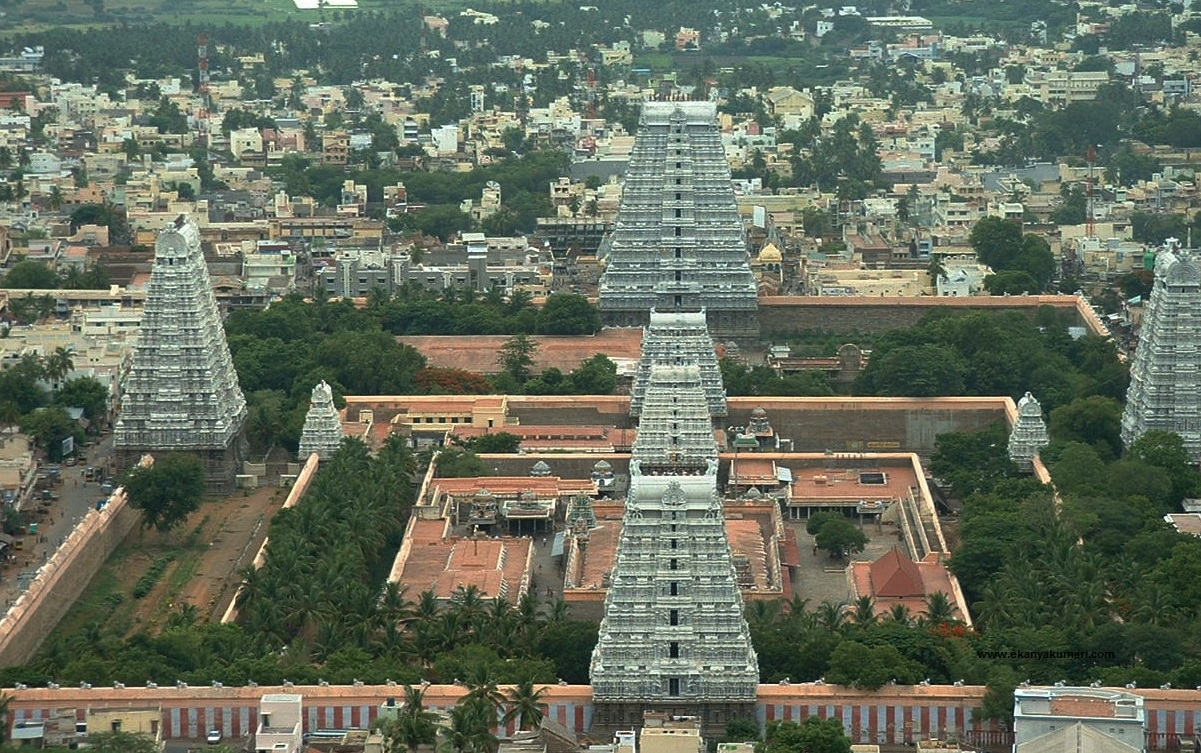
In the heart of Madurai, one of Tamil Nadu's oldest cities, the Sree Meenakshi Amman Temple rises majestically, a symphony of color, devotion, and architectural brilliance. This sacred site, dedicated to the goddess Parvati as Meenakshi and her consort Shiva, is not just a temple but a living testament to the cultural and spiritual heritage of South India.
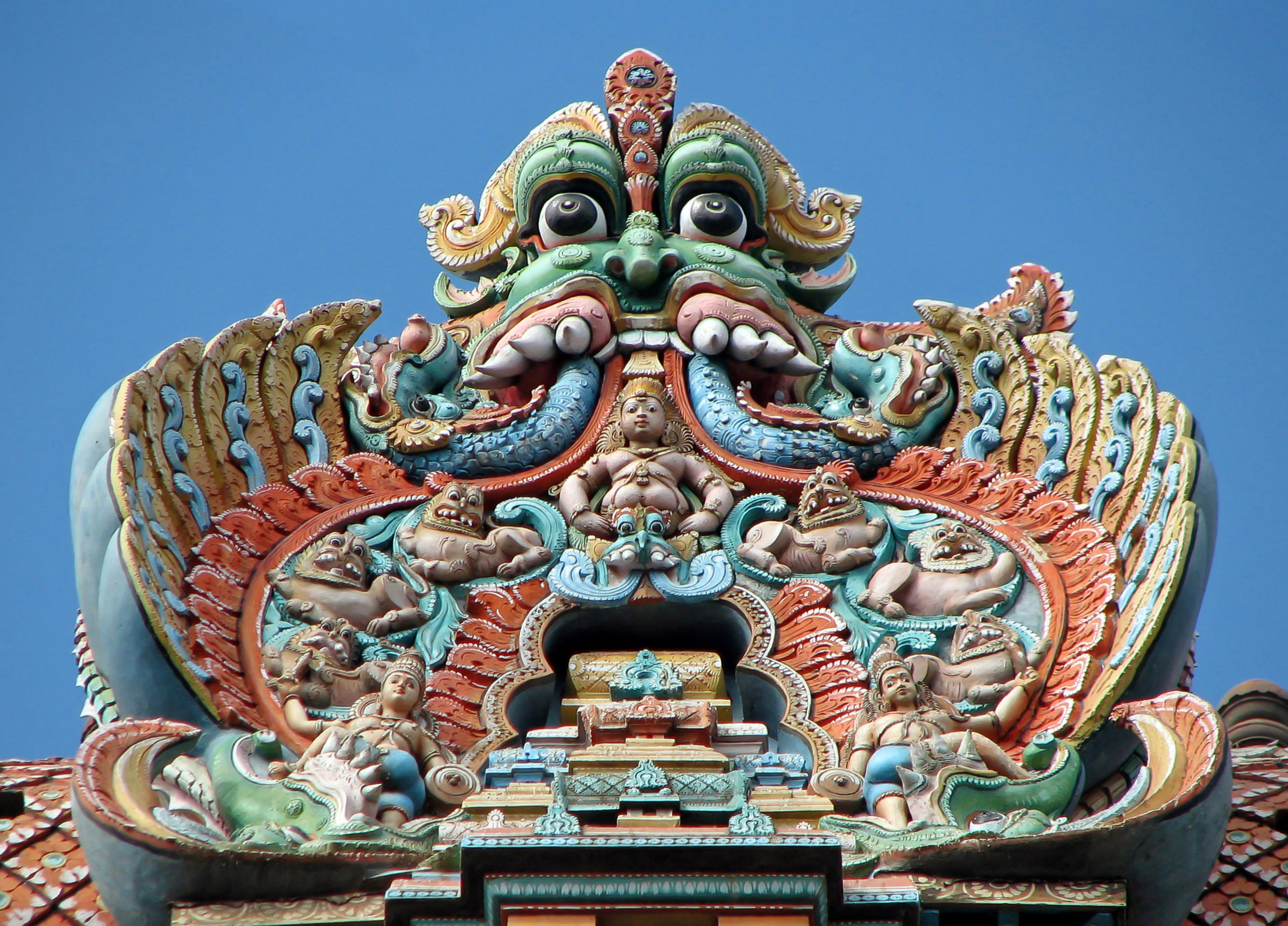
History and Origins
The origins of the Sree Meenakshi Amman Temple date back to ancient times, with references found in texts as early as the 7th century. It is believed to have been established under the patronage of Kulasekara Pandya, a ruler of the Pandya dynasty, who played a crucial role in shaping the temple's early history. Over centuries, the temple has witnessed various phases of destruction and restoration. A significant event occurred in 1310 when the temple faced devastation during the invasion of Malik Kafur, a general of the Delhi Sultanate.
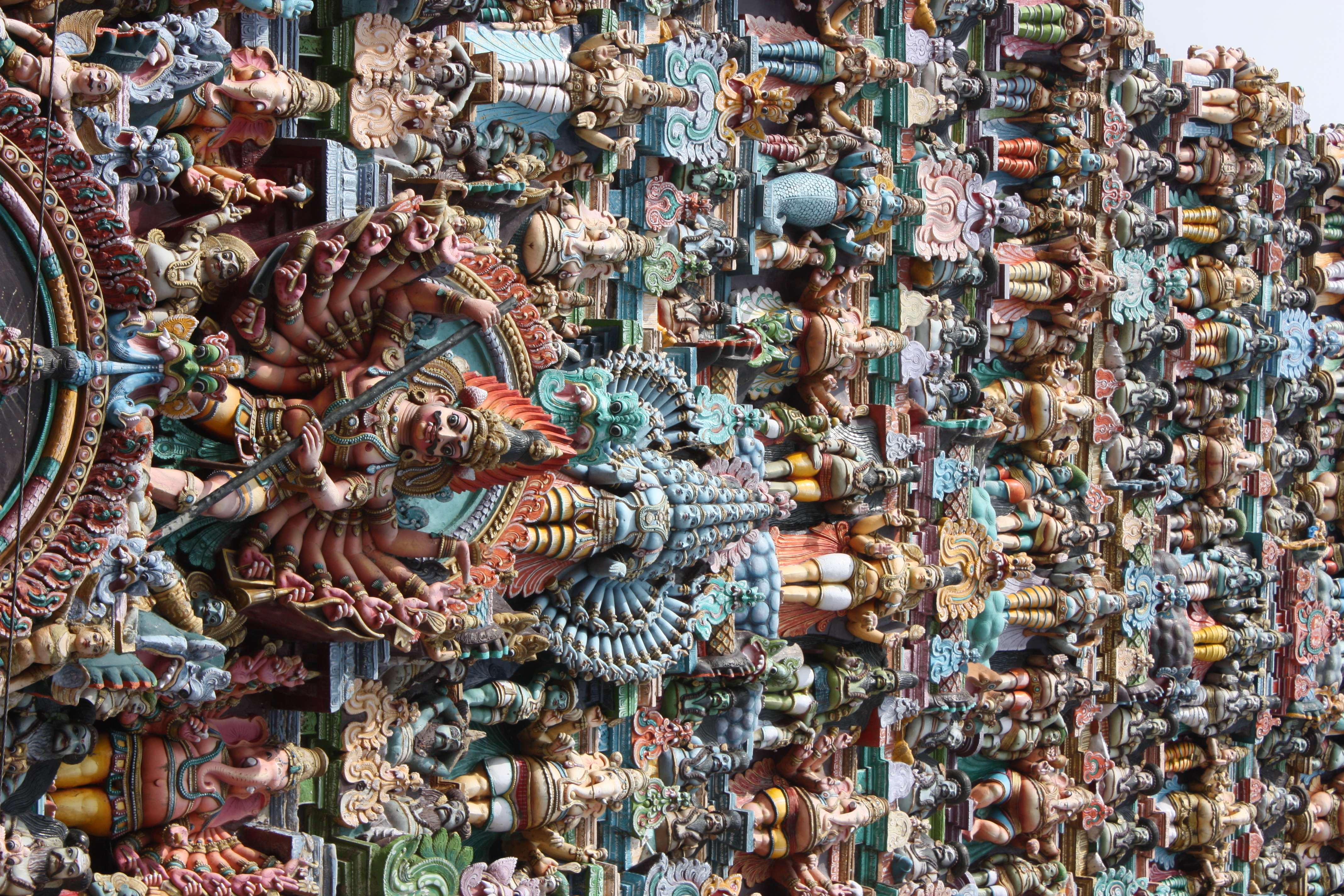
However, the temple's glory was revived during the reign of the Nayak dynasty from the 16th to 18th centuries, who undertook extensive renovations. The temple we see today is largely a reflection of their architectural vision, showcasing intricate carvings and vibrant sculptures that narrate tales from Hindu mythology.
Art and Architecture
Covering over 6 hectares, the Sree Meenakshi Amman Temple boasts an architectural style that is a splendid example of Dravidian architecture. The temple complex is adorned with 14 magnificent gopurams (gateway towers), the tallest reaching a height of 51.9 meters, each intricately decorated with thousands of vivid sculptures of gods, goddesses, and mythical creatures.
Among its architectural marvels, the Thousand Pillar Hall stands out as a testament to the ingenuity of ancient artisans. Each pillar is a work of art, intricately carved and designed to create stunning visual effects. The hall serves as a museum of sorts, housing exquisite statues and relics that narrate the temple's rich history.
Local Culture and Traditions
The temple is not only a religious center but also a vibrant hub of local culture and traditions. Every evening, the deity is taken on a ceremonial procession, a spectacle that draws devotees and visitors alike. The annual Meenakshi Thirukalyanam festival, celebrated in April, marks the divine marriage of Meenakshi and Shiva. This 10-day festival is a riot of colors, with processions, music, dance, and elaborate rituals, encapsulating the essence of Tamil heritage.
Locals often engage in daily rituals, offering flowers, fruits, and traditional sweets to the deities, reflecting a deep-rooted sense of spirituality and community. The temple remains a focal point for festivals, rituals, and daily worship, drawing thousands of pilgrims who come to seek blessings.
Gastronomy
Madurai is renowned for its rich culinary tradition, deeply intertwined with the temple's culture. Mithai (sweets) such as Jigarthanda, a refreshing drink made with milk, almond gum, and ice cream, is a must-try. The temple area is famous for its street food stalls offering delicious idli, sambar, and vada—traditional South Indian delicacies that cater to the tastes of both locals and visitors.
Another local specialty is Kothu Parotta, a deliciously spiced dish made from shredded parotta mixed with eggs, vegetables, and meat. The culinary scene around the temple is vibrant, with eateries serving everything from quick snacks to elaborate meals, all infused with the local flavors of Tamil Nadu.
Lesser-known Curiosities
While many flock to the temple for its grandeur, there are hidden gems that often go unnoticed. For instance, the temple houses a gold-plated chariot used during festival processions, an exquisite piece of craftsmanship that reflects the artistry of the Nayak period. Additionally, visitors may stumble upon the Meenakshi Amman Temple's sacred fish pond, where it is said that feeding the fish brings good fortune.
There is also an intriguing narrative about the temple's mystical connection with the celestial bodies. Astrologers believe that the temple's architecture is designed in a way that aligns with the stars, enhancing its spiritual energy.
Practical Visitor Information
The best time to visit the Sree Meenakshi Amman Temple is during the cooler months, from October to March, when the weather is pleasant and conducive for exploration. Arriving early in the morning allows visitors to witness the temple's rituals and enjoy the serene ambiance before the crowds arrive.
When visiting, dress modestly and respectfully, as the temple is a sacred site. Be sure to explore the intricate carvings and vibrant sculptures throughout the complex, and take the time to participate in a local ritual or simply soak in the spiritual atmosphere.
To truly experience the depth of Madurai's culture and history, consider using the Secret World app to curate a personalized itinerary that leads you through this enchanting city's hidden treasures.
