



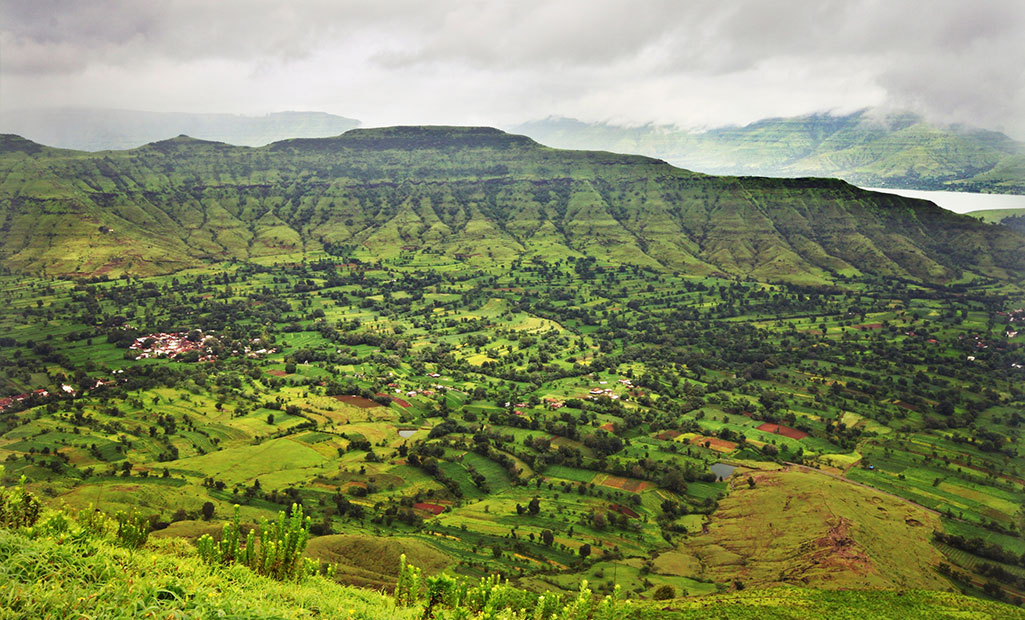
Nestled amidst the lush Western Ghats, Mahabaleshwar stands as a verdant haven, captivating visitors with its mesmerizing landscapes and a rich tapestry of history. This hill station, perched at an altitude of 1,353 meters, is not just a retreat for weary souls seeking respite from the sweltering heat of the plains; it is also a place where the air is fragrant with the sweet scent of strawberries, an emblem of the region's agricultural prowess.

History and Origins
The history of Mahabaleshwar can be traced back to ancient times, with references to this picturesque locale found in texts dating back to the 1st century CE. The Mahabaleshwar Temple, dedicated to Lord Shiva, is one of the oldest structures in the area and is said to have been established around the 16th century. It is believed that the temple is built over the original shrine from which five rivers, including the Krishna River, emerge.

The hill station gained prominence during the British colonial era in the 19th century. In 1828, Sir John Malcolm, the then-Governor of Bombay, discovered Mahabaleshwar and recognized its potential as a summer retreat. He initiated the construction of roads, bungalows, and other infrastructures, laying the groundwork for the development of Mahabaleshwar as a fashionable hill station. The remains of colonial architecture still pepper the landscape, reminiscent of a bygone era.
Art and Architecture
Mahabaleshwar's architectural significance is impressive, featuring a blend of Gothic, Victorian, and Indian styles, which reflect its colonial past. Among the notable structures is the St. Peter's Church, built in 1830, characterized by its stunning stained glass windows and intricate wooden interiors. The Mahabaleshwar Temple itself displays a unique blend of ancient Indian architecture, with its black stone exterior and elaborate carvings.
Artistic expression in Mahabaleshwar is not limited to buildings; the surrounding landscapes have inspired many local artists. The vibrant colors of the strawberry fields, the deep greens of the forests, and the dramatic sunsets over the valleys have been captured in numerous paintings and photographs, making Mahabaleshwar a muse for many.
Local Culture and Traditions
The cultural tapestry of Mahabaleshwar is woven from the threads of various festivals and traditions. The Ganesh Chaturthi festival is celebrated with fervor, as locals engage in traditional dances and preparations of sweets. Additionally, the Strawberry Festival, held annually in January, showcases the region's famous produce. Visitors can indulge in strawberry picking, enjoy strawberry-flavored delicacies, and participate in various contests, all while soaking in the vibrant local atmosphere.
Local customs are steeped in the rich heritage of the Maharashtrian culture. Traditional attire, folk music, and dance forms like Tamasha find a place in the community, offering a glimpse into the lives of the residents.
Gastronomy
No visit to Mahabaleshwar is complete without indulging in its culinary delights. The region is synonymous with strawberries, which flourish in the cooler climate. Visitors can savor fresh strawberries, strawberry cream, and even strawberry jams. Beyond berries, local dishes like Puran Poli (sweet flatbread) and Vada Pav (spicy potato fritter in a bun) are must-tries.
The hill station is also famous for its Chikki, a traditional Maharashtrian sweet made from jaggery and nuts. Street vendors sell these delectable treats, adding to the vibrant atmosphere of the local markets.
Lesser-known Curiosities
While many flock to Mahabaleshwar for its strawberries and scenic viewpoints, there are hidden gems waiting to be discovered. For instance, the Elephant's Head Point offers a stunning view resembling an elephant's head, which is often overlooked by tourists. Additionally, the Venna Lake, while popular, offers quiet corners where one can enjoy a peaceful boat ride while surrounded by nature.
Another intriguing aspect is the local belief that Mahabaleshwar is home to the legendary Mahabaleshwar, a powerful sage who is said to have meditated here. This spiritual connection adds depth to the town’s charm and allure.
Practical Visitor Information
The best time to visit Mahabaleshwar is from March to May, when the weather is delightful, and the strawberries are in season. The monsoon season from June to September transforms the landscapes into a lush paradise, but heavy rainfall can also make travel challenging.
For a seamless experience, it is advisable to explore on foot or rent bicycles to wander through the winding roads and lush trails. Don’t miss the panoramic viewpoints like Arthur's Seat and Wilson Point, where breathtaking sunrises and sunsets await.
Mahabaleshwar is not just a destination; it’s an experience that intertwines nature, culture, and history. For those looking to discover this enchanting hill station, consider using the Secret World app to craft a personalized AI itinerary for your visit to Mahabaleshwar.
