
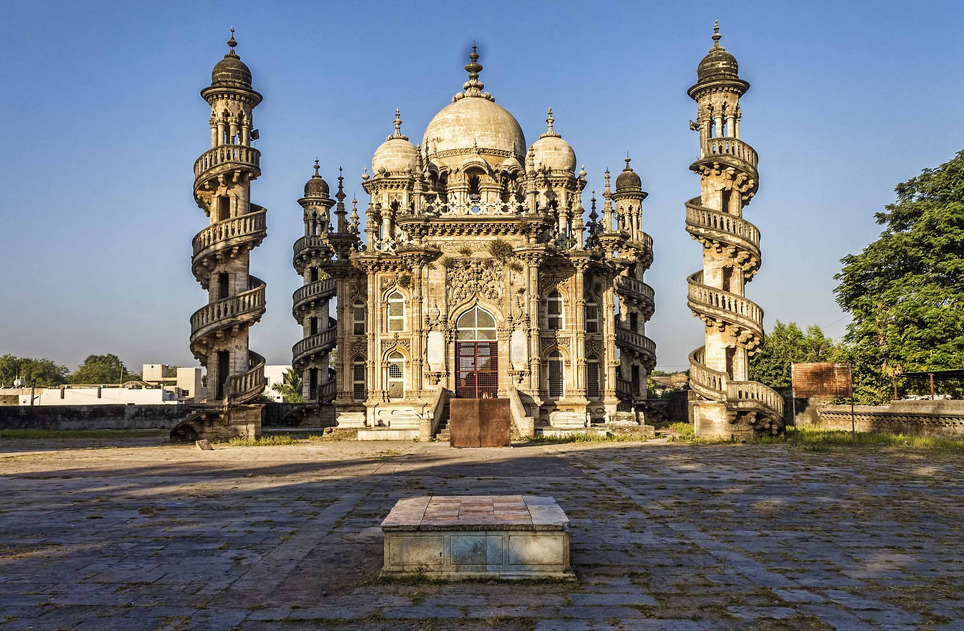

In the heart of Junagadh, a city steeped in history and culture in the western Indian state of Gujarat, stands an architectural gem that dazzles with its intricate beauty and storied past. The Mahabat Maqbara, a testament to Indo-Islamic architecture, is a sight to behold, attracting both casual visitors and ardent history enthusiasts. Its towering minarets and ornate façades tell tales of bygone eras, whispering secrets of a rich cultural tapestry woven over centuries.
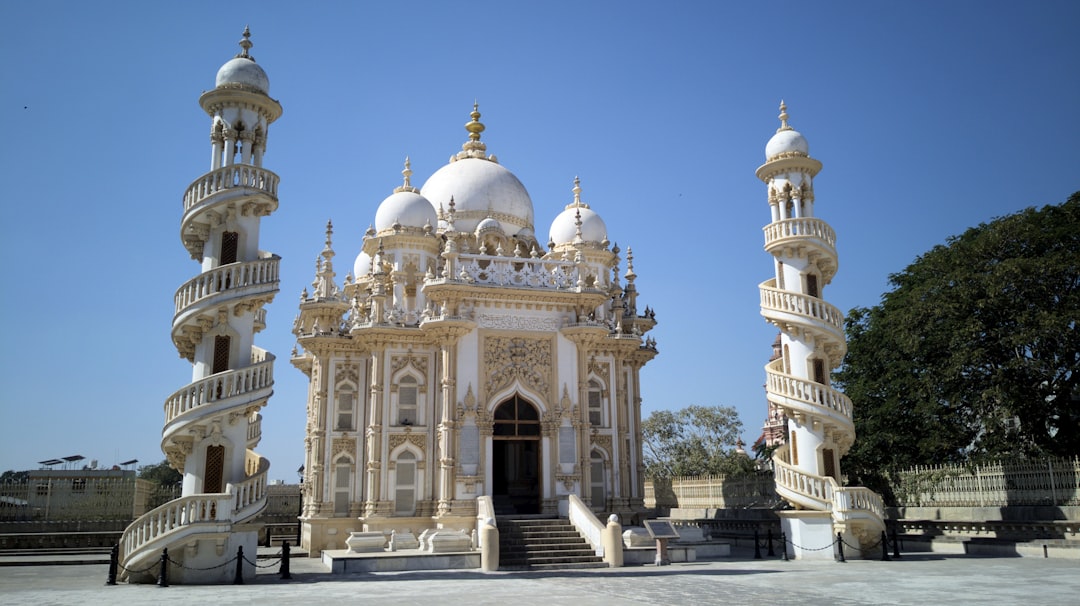
The origins of the Mahabat Maqbara can be traced back to the 19th century, a period marked by political shifts and architectural renaissance in the region. Commissioned by Nawab Mahabat Khan II of Junagadh, the mausoleum serves as a resting place for the Nawab's family and stands as a symbol of the integration of diverse architectural styles. The construction was completed in 1892 under the reign of Nawab Bahadur Khanji, Mahabat Khan II’s successor, marking it as a pivotal monument during the princely era of Junagadh. This era was characterized by the merging of local craftsmanship with influences from distant lands, resulting in a striking synthesis that Mahabat Maqbara exemplifies.
A masterpiece of art and architecture, the Mahabat Maqbara captivates with its fusion of Gothic, Islamic, and Hindu elements. Its most striking features include the spiral staircases that wrap around the minarets, reminiscent of French Gothic design, and the intricate stone carvings that reflect Islamic artistic traditions. The façade is adorned with delicate floral patterns and geometric designs, painstakingly carved by skilled artisans. Inside, the cool interiors are illuminated by light filtering through stained glass windows, casting colorful patterns on the marble floors—a serene symphony of art and light.
The cultural significance of Mahabat Maqbara extends beyond its architectural splendor. It stands as a testament to the syncretic cultural milieu of Gujarat, a region historically known for its acceptance and celebration of diversity. Locals celebrate this heritage through various festivals and traditions, most notably during Urs, a festival commemorating Sufi saints, which is often marked by music, dance, and communal feasts. Although the Maqbara itself is not the center of these festivals, its presence adds a layer of historical resonance to the celebrations.
No visit to Junagadh would be complete without indulging in its gastronomy, which offers a delectable array of flavors unique to this part of Gujarat. The local cuisine is a delightful blend of Gujarati vegetarian dishes and Nawabi non-vegetarian fare. Dishes such as Dhokla, a fermented rice and chickpea cake, and Undhiyu, a mixed vegetable curry, are a must-try for vegetarians. For those who savor meat, the succulent Samosas filled with spiced lamb or chicken offer a taste of the Nawabi influence. To complement these, the sweet and aromatic Penda, a milk-based dessert, provides a perfect ending to a meal, often enjoyed with a cup of Masala Chai.
Exploring the Mahabat Maqbara reveals lesser-known curiosities that add depth to its allure. One such detail is the unique blend of architectural styles that reflect the personal tastes of the Nawabs, who were known patrons of art and culture. Another intriguing aspect is the presence of the Bahauddin Maqbara, located nearby, which serves as the mausoleum of Nawab Bahadur Khanji and shares similar architectural brilliance. Visitors often overlook the smaller details, like the exquisite calligraphy that adorns the walls, each line a prayer or a historical note, adding layers to the narrative of this majestic site.
For those planning a visit, the best time to explore Junagadh and the Mahabat Maqbara is during the cooler months from November to February, when the weather is pleasant and ideal for sightseeing. It is advisable to visit early in the morning or late afternoon to avoid the midday heat and to capture the Maqbara in the soft glow of natural light, which highlights its intricate carvings. While exploring, take a moment to appreciate the serenity of the gardens that surround the mausoleum—a perfect spot for reflection amidst the historical grandeur.
In conclusion, the Mahabat Maqbara is more than just a mausoleum; it is a gateway to the past, an architectural ode to cultural confluence, and a beacon of the rich history of Junagadh. Visitors leave with not just photographs but a deeper appreciation of the historical narratives and artistic endeavors that continue to shape this vibrant region.


