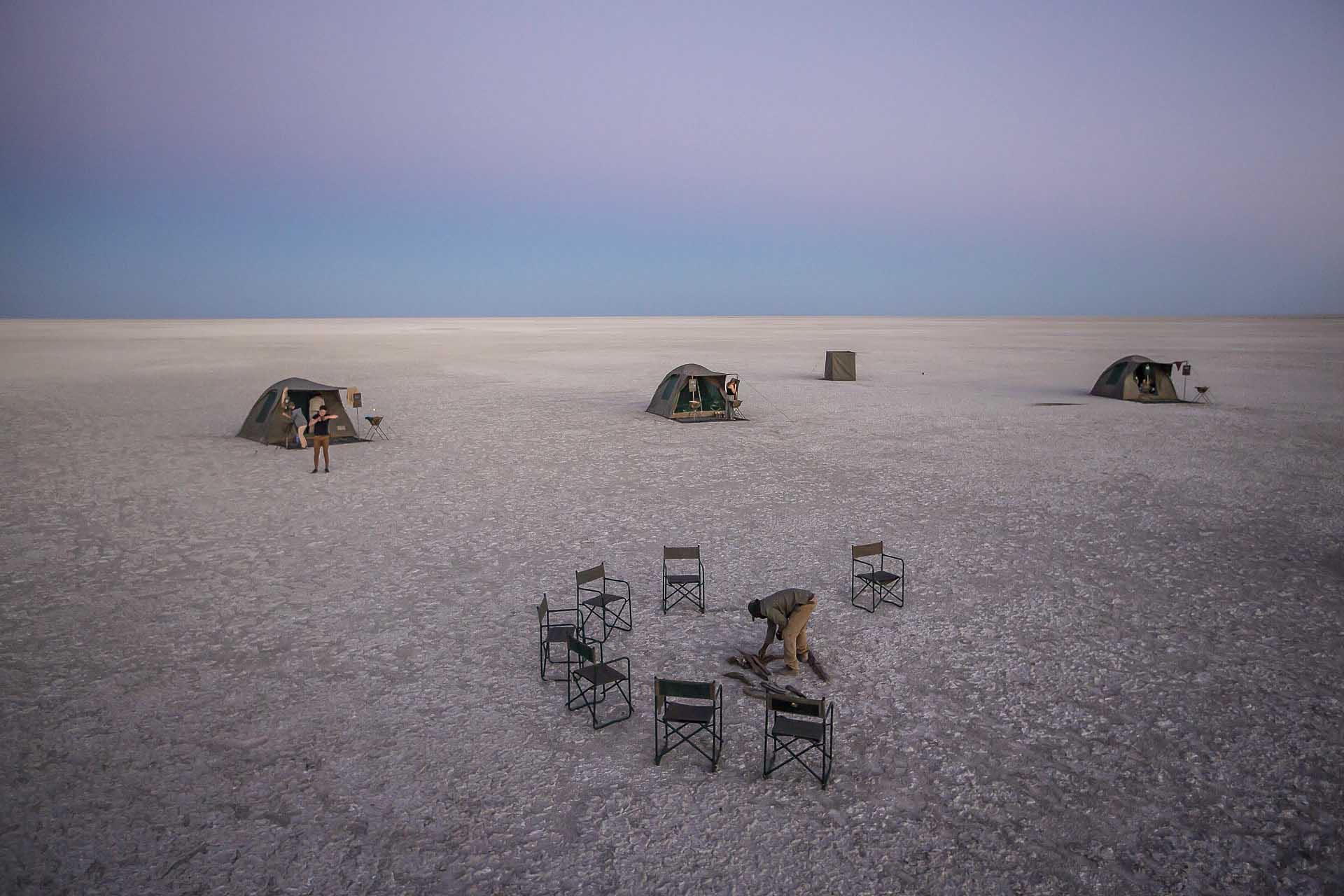

In the heart of Botswana lies the Makgadikgadi Pan, a mesmerizing expanse of salt flats that whispers tales of a vast, ancient lake long gone. This surreal landscape, one of the largest salt flats on the planet, stretches across the Kalahari Desert and captivates visitors with its stark beauty and profound silence. Here, you can almost hear the pulse of the earth, a haunting echo that resonates in the solitude.
### History and Origins
The Makgadikgadi Pan is a remnant of the once-great Lake Makgadikgadi, which existed over 10,000 years ago. This prehistoric lake was part of a much larger system that included the Okavango Delta. As the climate changed, the lake receded, leaving behind the salt flats we see today. Archaeological evidence suggests that early humans inhabited this area, utilizing its resources for sustenance. The San people, Botswana's indigenous inhabitants, have long regarded this region as sacred, weaving stories of their ancestors and the spirits of the land into their oral traditions.
The transformation of the Makgadikgadi area continued with the arrival of European explorers in the 19th century. Figures like David Livingstone traversed this terrain, documenting its unique landscapes and the cultures of the indigenous tribes. The salt pans became a landmark of curiosity and wonder, symbolizing both the harshness and the beauty of the Kalahari Desert.
### Art and Architecture
While the Makgadikgadi Pan may not boast conventional architecture, it is a canvas for the art of nature. The ever-changing colors of the salt flats, from brilliant whites to soft pastels at sunset, create a breathtaking visual experience. The local tribes, particularly the San, express their connection to this land through rock art, depicting animals and scenes from their daily lives in caves and on rocks in surrounding areas.
Additionally, the nearby village of Nxai Pan is home to traditional Tswana huts, which showcase the region's architectural style. These round, thatched-roof structures, often adorned with intricate patterns, reflect the harmonious relationship between the people and their environment.
### Local Culture and Traditions
The Makgadikgadi area is rich in cultural diversity, with the Tswana and San peoples contributing to its vibrant traditions. Festivals such as the Kalahari Festival, celebrated in the nearby town of Maun, highlight the region's music, dance, and crafts. This event draws locals and visitors alike, showcasing traditional performances that honor ancestral heritage.
Local customs often revolve around the rhythms of nature. The rainy season, typically from November to March, is a time of renewal and celebration, as the landscape transforms and wildlife returns. The Zebra Migration, occurring between January and April, sees thousands of zebras traverse the area, an event marked by gatherings and feasts among local communities.
### Gastronomy
The culinary landscape around the Makgadikgadi Pan is a reflection of its cultural tapestry. Traditional dishes often include braai (barbecue) meats, pap (maize porridge), and biltong (dried, cured meat), which showcase the region's agricultural practices. Local fruits, such as marula, are often used to create tantalizing drinks, including the famous amarula liqueur.
Visitors can experience authentic meals at local lodges and camps, where chefs incorporate local ingredients into contemporary dishes. Sharing a meal with local families offers a glimpse into their culinary traditions, providing a deeper understanding of the land and its people.
### Lesser-Known Curiosities
Beyond its breathtaking scenery, the Makgadikgadi Pan holds intriguing secrets. The area is home to the Kubu Island, an ancient island of granite and baobab trees that appears like a mirage on the flat expanse. This unique geological formation is not only a sight to behold but also a sacred site for many local tribes.
Another curiosity is the Ntwetwe Pan, a neighboring salt flat that, unlike its more famous counterpart, is often overlooked by tourists. This hidden gem offers a similar ethereal beauty and is a prime location for stargazing, where the vast, clear skies reveal a galaxy that feels almost within reach.
### Practical Visitor Information
The best time to visit the Makgadikgadi Pan is during the dry season, from May to October, when wildlife congregates around water sources, and the roads are accessible. The rainy season brings ephemeral beauty, transforming the landscape into a lush green paradise, but access can be challenging.
For the best experience, consider guided tours that offer insights into the local ecology and culture. Look out for the Zebra Migration if visiting between January and April, as it brings a flurry of activity and life to the pans.
As you plan your adventure, remember to bring plenty of water, sun protection, and a sense of wonder. The Makgadikgadi Pan is not just a destination; it’s an experience that will linger in your heart and soul.
For a personalized itinerary tailored to your interests in this remarkable area, you might find the Secret World app to be your ideal companion.
