
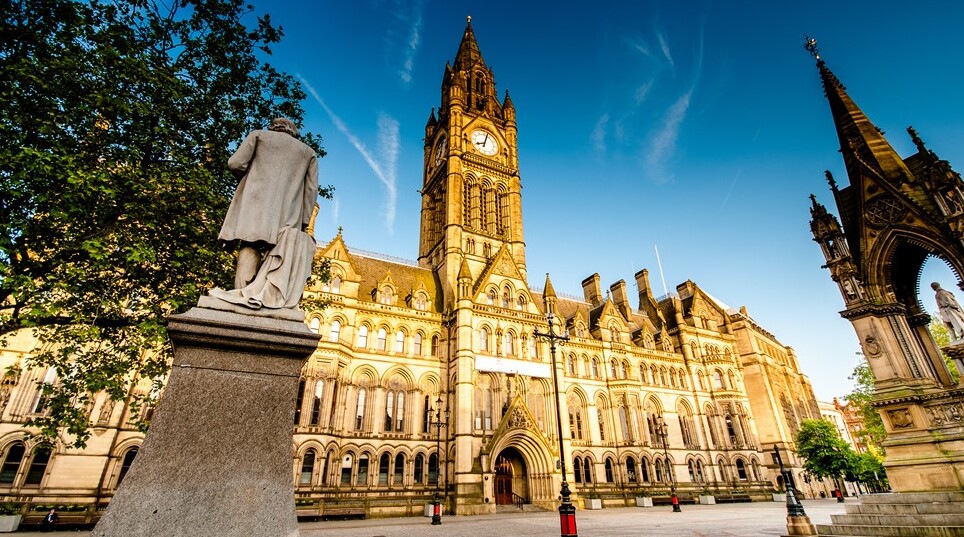

In the heart of Manchester, where the echoes of industrial growth meet contemporary vibrancy, stands the magnificent Manchester Town Hall. This stunning neo-Gothic structure is not just a building; it's a testament to the city's rich history and cultural evolution. As you approach its intricate stone façade, adorned with sculptures and gargoyles, you're drawn into a narrative that spans over a century.
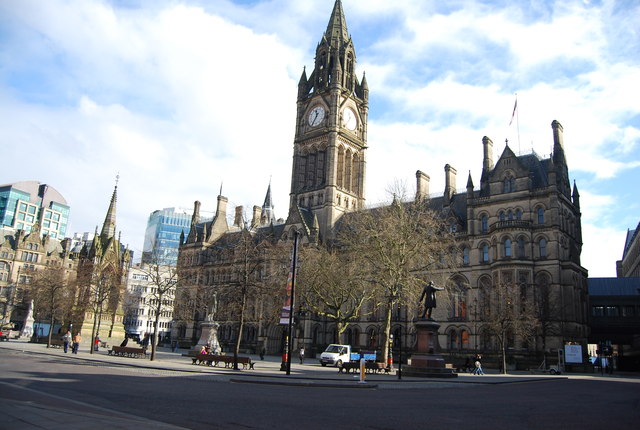
History and Origins The story of Manchester Town Hall begins during the transformative years of the 19th century, a period marked by the Industrial Revolution. As Manchester blossomed into a key commercial power, the need for a grand civic building became apparent. In 1868, the foundation stone was laid by Queen Victoria, symbolizing the aspirations of a city on the rise. Alfred Waterhouse, the architect behind this gothic gem, envisioned a structure that would embody the spirit of Manchester’s industriousness and cultural pride.
Upon its completion in 1877, the Town Hall quickly became the heart of municipal life. It played a pivotal role during significant historical moments, including the aftermath of the Manchester Blitz in World War II, where it stood resilient amid the devastation. Public gatherings, celebrations, and even protests have unfolded in its shadow, marking it as a landmark of civic engagement.
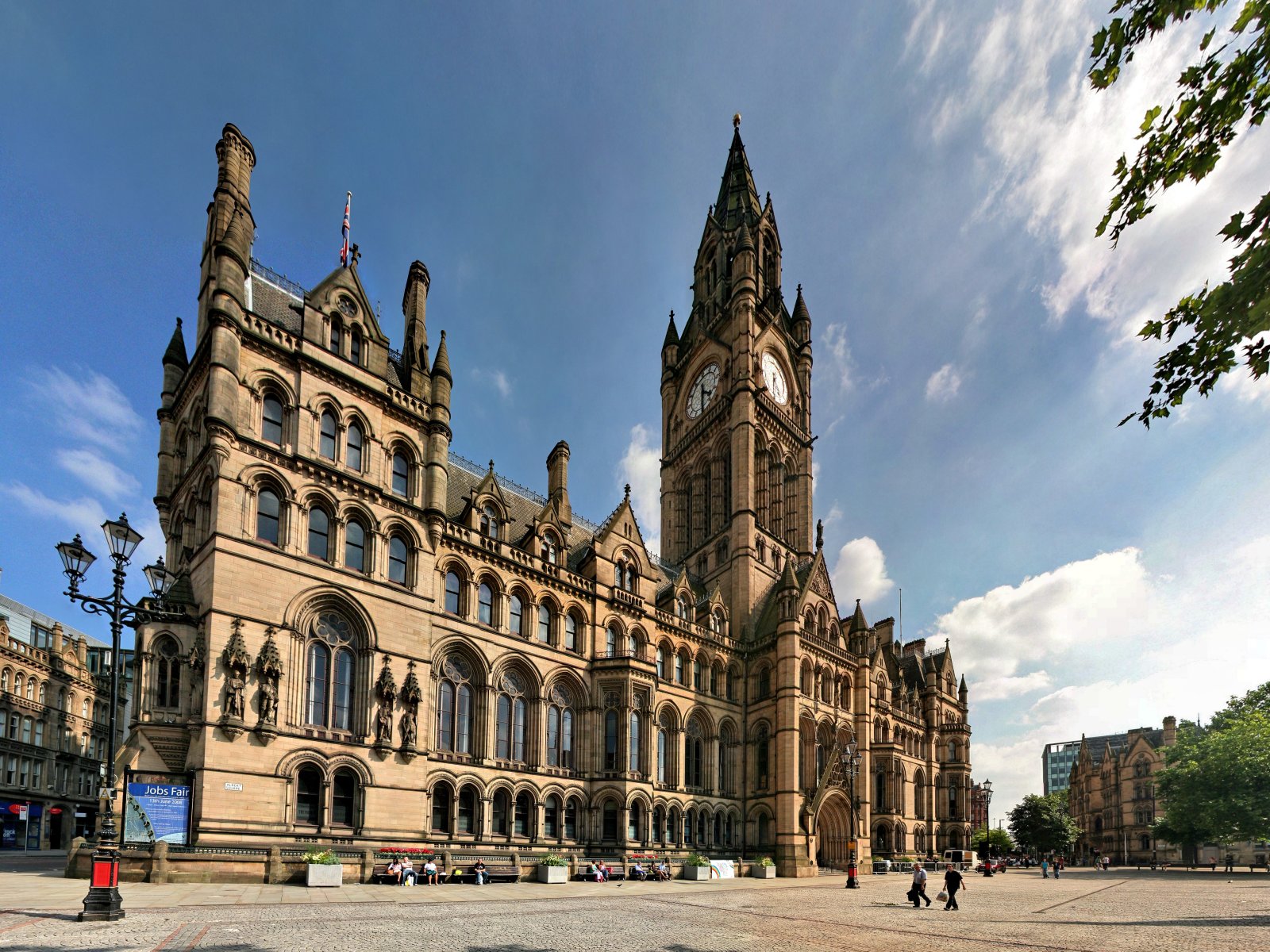
Art and Architecture The architectural brilliance of Manchester Town Hall lies in its neo-Gothic style, a trend that swept through Victorian England. Its pointed arches, ribbed vaults, and ornate detailing create a striking silhouette against the Manchester skyline. The Clock Tower, soaring to 87 meters, is a beloved feature, often referred to as "The Bell of Manchester".
Inside, the grandeur continues with exquisitely designed rooms. The Great Hall, adorned with intricate woodwork and stained glass windows, showcases the artistic ethos of the period. Notable artworks, including murals by Ford Madox Brown, capture the spirit of Manchester’s industrial achievements and social contributions. Each corner of the Town Hall tells a story, making it a treasure trove for art lovers and historians alike.
Local Culture and Traditions Manchester is a city rich in cultural traditions, and the Town Hall is a focal point for many local customs and festivals. The Manchester Day Parade, held annually, sees the streets come alive with vibrant floats and community spirit, celebrating the city's diverse heritage. The Town Hall often serves as a backdrop for such events, reinforcing its role as a communal hub.
Another cherished tradition is the Christmas Markets, where the square transforms into a winter wonderland filled with festive stalls, local crafts, and seasonal treats. The Town Hall’s iconic presence during this time adds to the magic, as families and friends gather to enjoy the festive atmosphere.
Gastronomy A visit to Manchester wouldn’t be complete without indulging in its culinary delights. The city is famous for its meat pies, particularly the traditional Cornish pasty and Manchester tart, a sweet pastry filled with jam and custard, topped with coconut. Nearby eateries often offer bangers and mash, a hearty dish of sausages served with creamy mashed potatoes, embodying the local comfort food scene.
For a refreshing drink, try a pint of local ale from one of the many craft breweries. The Manchester Brewery is renowned for its innovative brews that reflect the city’s evolving palate. Pairing these local flavors with the historic ambiance of the Town Hall can turn any visit into a memorable gastronomic experience.
Lesser-known Curiosities While many admire the grandeur of the Town Hall, few know of its hidden secrets. One such curiosity is the famous "Manchester Bee", a symbol of the city’s industrious spirit, which is subtly incorporated into the Town Hall’s decorative elements. Furthermore, the building houses a time capsule placed during its construction, containing items from the era, a fascinating glimpse into the past.
Visitors often miss the Whalley Range stone, a rare geological marvel located within the Town Hall, which showcases the area’s unique history. These details, along with the stunning architecture, create a rich tapestry of stories that await discovery.
Practical Visitor Information To fully appreciate the beauty of Manchester Town Hall, the best time to visit is during the spring and early autumn when the weather is mild. Guided tours are available, providing insights into the building's history and architectural significance. Be sure to look for the intricate carvings and take time to explore the surrounding gardens, which offer a peaceful respite amid the bustling city.
For those planning a visit, consider downloading the Secret World app to craft a personalized AI itinerary that ensures you experience all the hidden gems Manchester has to offer.


