
← Back

Mangho Pir, house of crocodiles

Manghopir Lake, Naya Nazimabad Gadap Town, Karachi, Karachi City, Sindh, Pakistan ★★★★☆ 613 views
Reena Kapur
Karachi
🏆 AI Trip Planner 2026

Get the free app

Discover the best of Karachi with Secret World — the AI trip planner with 1M+ destinations. Get personalized itineraries, hidden gems and local tips. Free on iOS & Android.

🧠 AI Itineraries 🎒 Trip Toolkit 🎮 KnowWhere Game 🎧 Audio Guides 📹 Videos
Scan to download iOS / Android
Scan for AppGallery Huawei users

About Mangho Pir, house of crocodiles

Mangho Pir, house of crocodiles - Karachi | Secret World Trip Planner

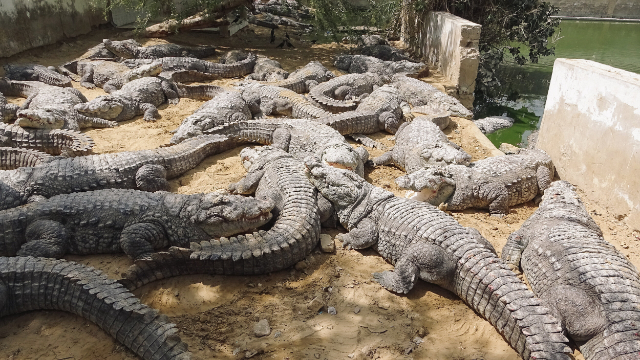
The shrine dedicated to the 13th-century Sufi saint Haji Syed Shaikh Sultan, renowned as Mangho Pir, is situated around a lake adorned with hot springs. What makes this place truly unique is its inhabitants: numerous crocodiles, revered as sacred creatures intertwined with the saint's legacy.
Mangho Pir, house of crocodiles - Karachi | Secret World Trip Planner

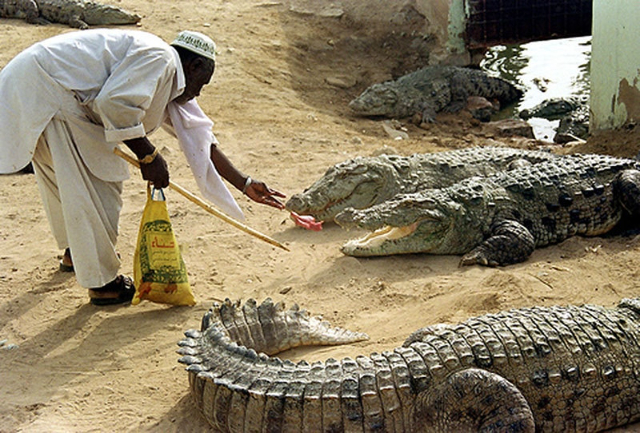
Over a hundred marsh crocodiles (Crocodylus palustris) call this shrine home. Pilgrims who visit to honor the saint often bring offerings of food for these creatures, believed to be the disciples of Pir Mangho himself. According to some accounts, crocodiles have been congregating at this sulfur pond for centuries, with traces of a Bronze Age settlement nearby indicating a long-standing reverence for these animals.

🗺 AI Trip Planner 2026

Plan your visit to Karachi

Suggested itinerary near Mangho Pir, house of crocodiles

MAJ+
500.000+ travelers worldwide
  1. 🌅
    Morning
    Mangho Pir, house of crocodiles
    📍 Karachi
  2. ☀️
    Afternoon
    Jinnah Mausoleum
    📍 11 km · Karachi
  3. 🌆
    Evening
    Pakistan Air Force Museum
    📍 13.5 km · Karachi

Buy Unique Travel Experiences

Powered by Viator

See more on Viator.com

Explore nearby · Karachi

Frequently Asked Questions

Mangho Pir is home to over a hundred marsh crocodiles that are considered sacred and revered as the disciples of the 13th-century Sufi saint Haji Syed Shaikh Sultan. Pilgrims visiting the shrine traditionally bring food offerings for these creatures, which have been congregating at the sulfur pond for centuries, making it a unique spiritual site where wildlife and religious devotion intertwine.
According to local beliefs and spiritual traditions, the crocodiles at Mangho Pir are sacred disciples of the saint himself, and feeding them is considered an act of devotion and respect to Pir Mangho's legacy. This practice has been maintained for centuries and remains an integral part of the pilgrimage experience at the shrine.
Crocodiles have been congregating at this sulfur pond for centuries, with historical traces suggesting a Bronze Age settlement nearby that indicates long-standing reverence for these animals. The marsh crocodiles (Crocodylus palustris) have become so intertwined with the shrine's spiritual significance that they are now inseparable from its identity and the legend of saint Mangho Pir.
The shrine is situated around a lake adorned with natural hot springs, creating a unique landscape that combines spiritual significance with natural thermal features. This geothermal setting, combined with the presence of over a hundred sacred crocodiles, makes Mangho Pir one of Pakistan's most distinctive pilgrimage destinations.
Mangho Pir was Haji Syed Shaikh Sultan, a revered 13th-century Sufi saint to whom the shrine is dedicated. His spiritual legacy is so profound that the crocodiles inhabiting the sacred sulfur pond are believed to be his disciples, making him a significant figure in the region's religious and cultural history.
