
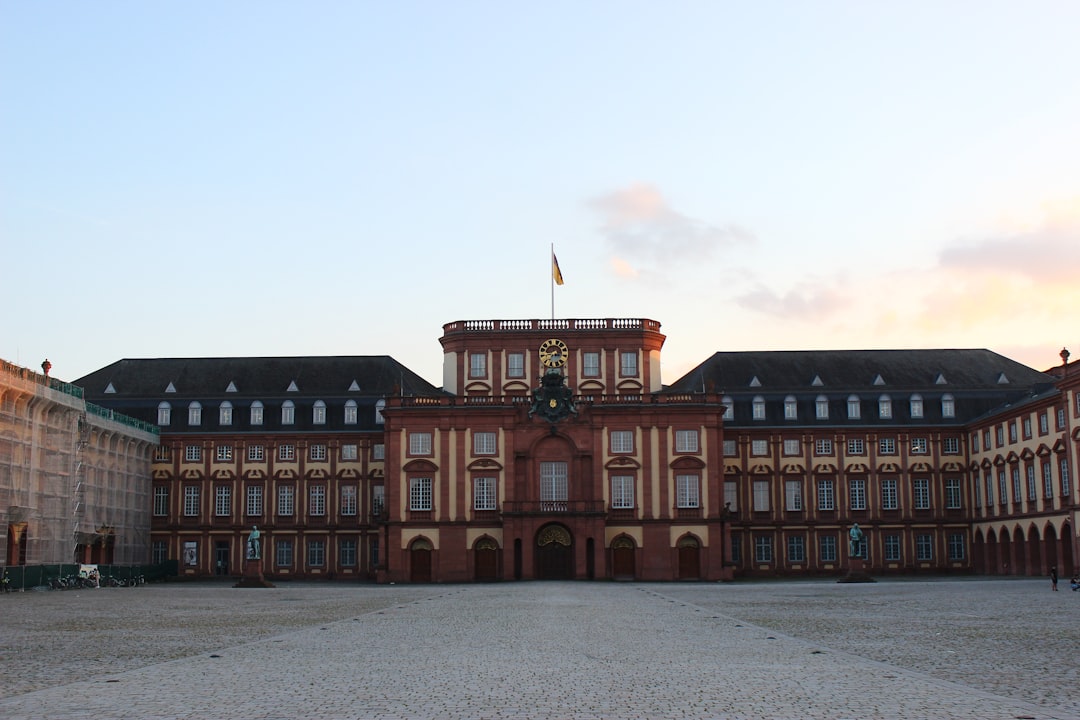

Located in the northwest of Germany, Mannheim is a fascinating city that stands out for its rich history and vibrant culture. At the center of this city rises the magnificent Mannheim Palace, a baroque palace that represents an important testament to the region's aristocratic past. With its strategic position at the confluence of the Rhine and Neckar rivers, Mannheim is not only a transit point but also a crossroads of cultures and traditions.
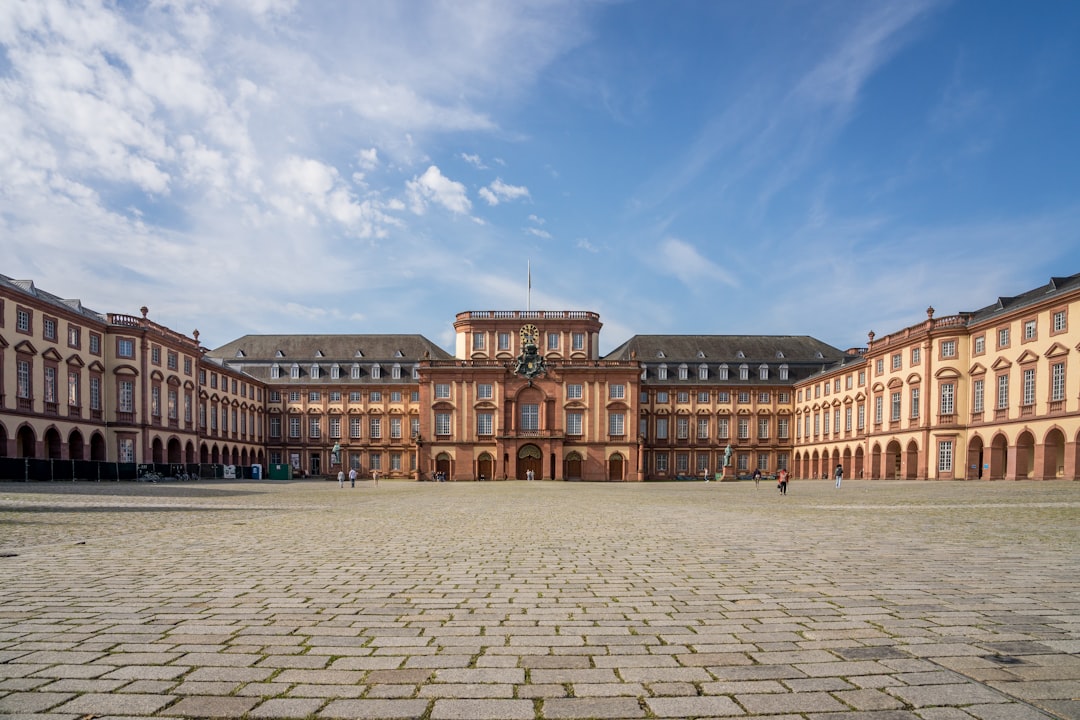
The Mannheim Palace, with its imposing facades and elegant gardens, is a must-visit for those who wish to immerse themselves in the history of the city. Built in the 18th century, the palace was the residence of the Electors of the Palatinate and today houses the University of Mannheim, creating an interesting blend of past and present.
History and Origins
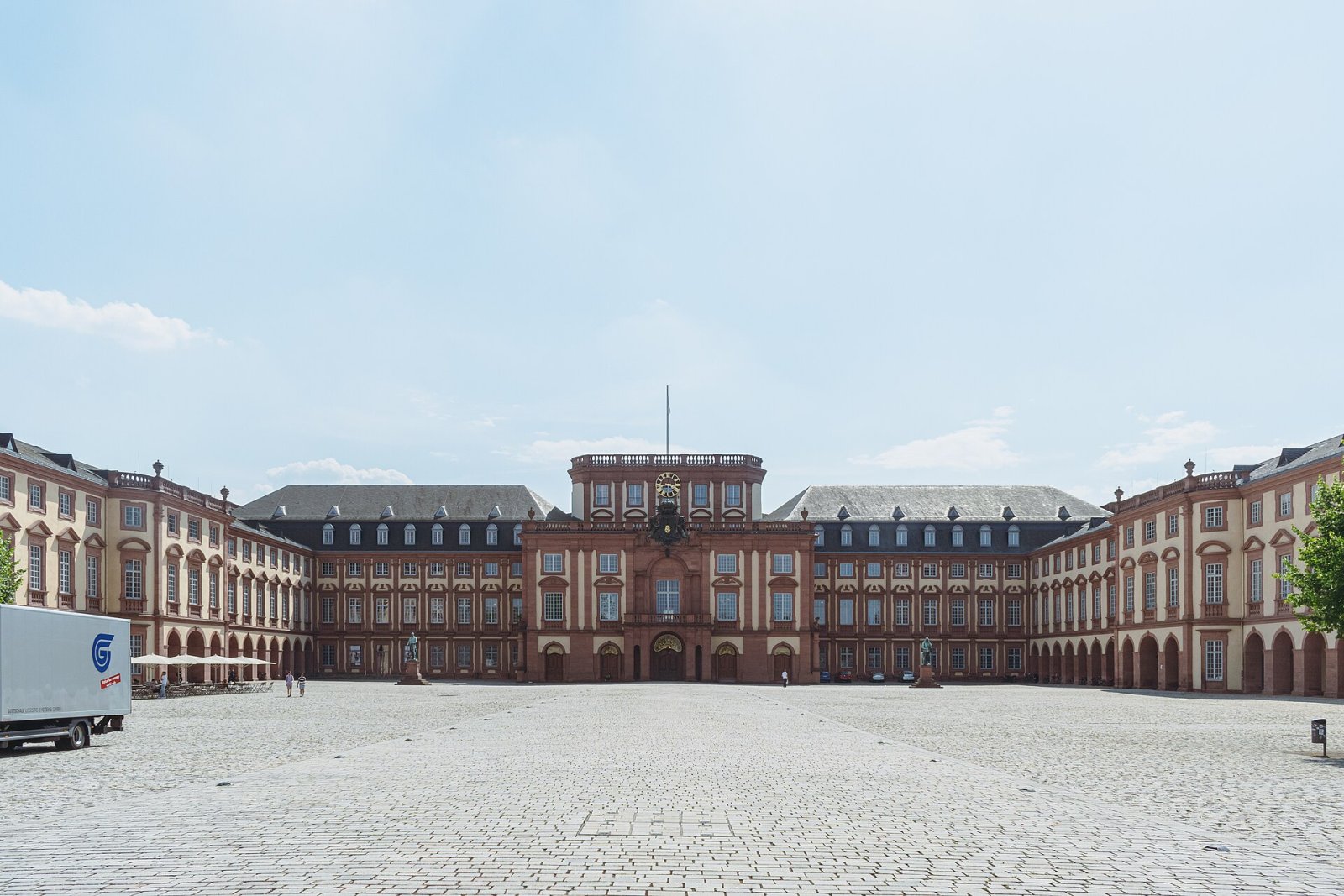
The Mannheim Palace was built between 1720 and 1760 and is one of the largest baroque palaces in Germany. Its construction was commissioned by the Electors of the Palatinate, who desired a symbol of their greatness and power. The structure is characterized by grand architecture, with richly decorated rooms and an imposing facade overlooking the surrounding gardens. Over the centuries, the palace has undergone numerous restorations and modifications, but it has retained its original charm.
During World War II, the palace suffered significant damage, but thanks to careful restoration work, it has been returned to its former glory. Today, the Mannheim Palace is not only a historical monument but also a cultural center that hosts events, exhibitions, and concerts, making it a lively and dynamic place.


