


The air of the Marlborough Valley smells of freshly cut grass and subtle minerality, a fragrance that anticipates what the glasses will confirm a few hours later. Blenheim, the capital of the Marlborough region on New Zealand's South Island, is the natural starting point for those who want to understand why the Sauvignon Blanc produced here has changed the expectations of an entire global market. This is not rhetoric: when Cloudy Bay launched its first vintage in 1985, British and American wine buyers began to look at the Southern Hemisphere with completely different eyes.
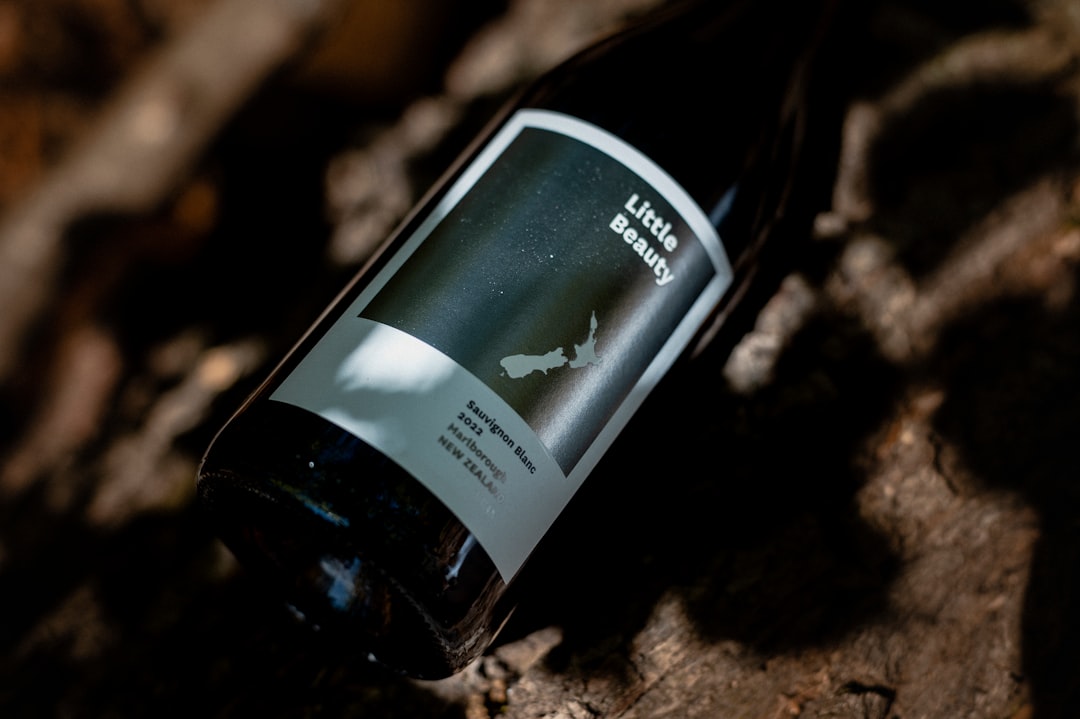
The Marlborough region now produces about 77% of all New Zealand wine, according to data from New Zealand Winegrowers, and the vast majority of that production is concentrated in the vineyards of the floodplain surrounding Blenheim. The Original Marlborough Wine Tours is one of the historic operators that organizes guided bike tours among the wineries in the area, allowing visitors to move independently along flat paths that connect dozens of wineries.
The terroir that makes Sauvignon Blanc unique

The combination of factors that defines the terroir of Marlborough is concrete and measurable. The region receives an average of over 2,400 hours of sunshine per year, one of the highest figures in New Zealand, while the nights remain cool due to the influence of air currents descending from the Kaikoura mountains. This marked temperature variation between day and night preserves the natural acidity of the grapes and develops the typical aromatic compounds of the local Sauvignon Blanc: notes of passion fruit, blackcurrant, grapefruit, and that characteristic herbaceousness that technicians call methoxypyrazines.
The soils vary significantly even a few kilometers apart. In the Wairau Valley, the widest and most accessible by bike, the soils are predominantly alluvial and gravelly, well-draining and low in nutrients. In the narrower Awatere Valley, further south and at a slightly higher altitude, the clay soils and cooler climate produce wines with an even more pronounced acidic structure and aromas that tend towards herbaceous and flint notes. Cycling between the rows, one can physically observe these differences: gravel often surfaces in the Wairau estates, while in the Awatere the vineyards show more compact and darker-colored soils.

How the bicycle tour works
The Original Marlborough Wine Tours provides bicycles, helmets, and a detailed map of the routes connecting the participating wineries. The tours typically start from Blenheim and follow low-traffic secondary roads through the Wairau Valley. The total distance that can be covered in a full day ranges from 25 to 35 kilometers, but the pace is entirely dictated by the visitor: you can stop at as many wineries as you wish, taste, have lunch at one of the estates that have a restaurant, and then continue on.

Among the wineries accessible along the routes are names like Framingham, Wairau River, and Spy Valley, all with tasting rooms open to the public. Tastings generally have a nominal cost ranging from 5 to 15 New Zealand dollars, often refunded with the purchase of a bottle. It is possible to ship the purchased bottles directly home through international shipping services that many wineries offer.
What to taste besides Sauvignon Blanc

Although Sauvignon Blanc dominates the scene, Marlborough also produces increasingly high-quality Pinot Noir, especially in the cooler subregions. The Pinot Noir from the region tends to express bright red fruits, cherry and raspberry, with silky tannins and an immediate drinkability that sets it apart from the more structured Pinots of Burgundy or Oregon. Some wineries also produce Riesling, Chardonnay, and Pinot Gris, varieties that find the ideal conditions to develop complex aromas without losing freshness in the low nighttime temperatures.
During tastings, it is advisable to explicitly ask to taste wines from different subregions: comparing a Sauvignon Blanc from the Wairau Valley with one from the Awatere Valley from the same producer is an enlightening exercise that many sommeliers use to explain the concept of terroir in an immediate and non-theoretical way.
Practical tips for organizing the visit
The best time to visit Marlborough by bike is between November and April, the summer and autumn in the Southern Hemisphere. The months of January and February coincide with the grape harvest and offer the opportunity to see the vineyards in full activity, although smaller wineries may have reduced hours during that time to concentrate resources on the harvest. Booking the tour a few days in advance is advisable during peak season, especially between December and February when tourist influx is at its highest.
Blenheim can be reached by plane from Auckland and Wellington with direct flights operated by Air New Zealand, or by car or bus from Picton, the arrival port of the ferries from the North Island. The distance between Picton and Blenheim is about 29 kilometers. Those who do not want to cycle can opt for guided minivan tours, but the bicycle remains the most effective way to stop exactly where you want and feel the landscape instead of just observing it from the window.


