
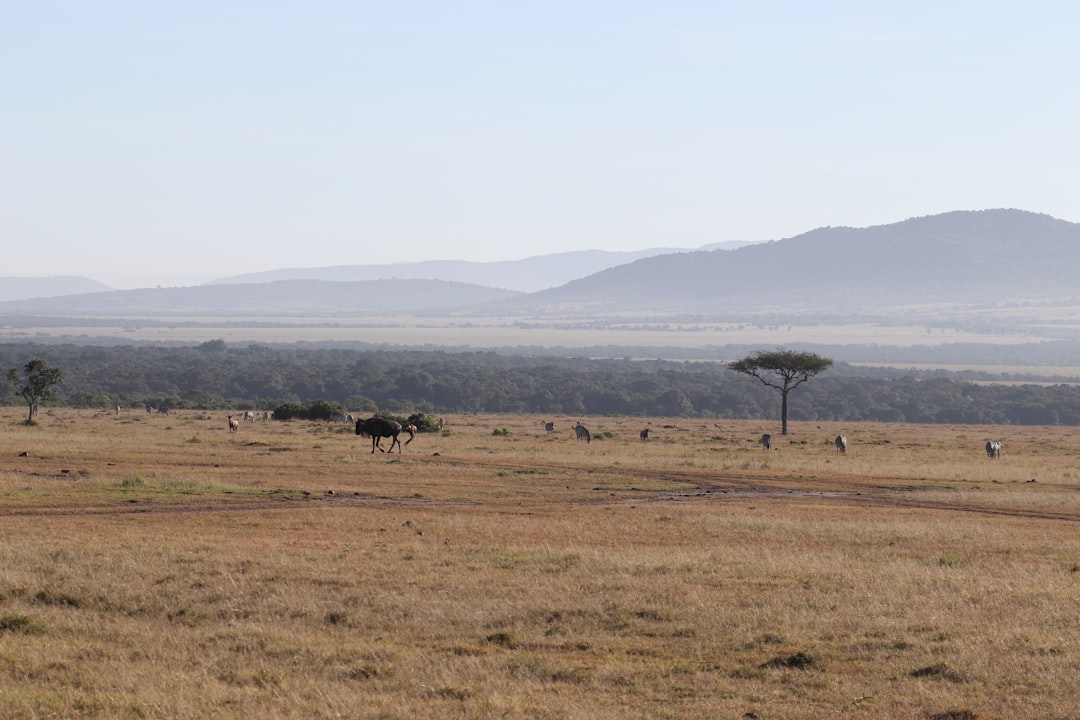

At the first light of dawn, when the morning mist slowly dissolves over the savannah, the Masai Mara reveals itself in all its power. A male lion crosses the dirt path just a few meters from the vehicle, indifferent to the human presence, with its mane still damp with dew. This national reserve, located in Narok County in southwestern Kenya, covers about 1,510 square kilometers of grassland ecosystem and represents the northern continuation of the Tanzanian Serengeti, forming a single transboundary ecological corridor.

The reserve is named after the Maasai people, who have inhabited these lands for centuries, and the Mara River, which flows through it from north to south, bringing vital water to one of the densest concentrations of wildlife on the African continent. It is not a state national park but a reserve managed by Narok County, which means that some surrounding areas, called conservancies, offer more exclusive safari experiences with fewer vehicles and the possibility of night game drives, which are not allowed within the main reserve.
The Kingdom of Big Cats

The Masai Mara is considered one of the best habitats in the world to observe the three big African cats in one place. Lions live here in large prides, and some families, such as the famous Marsh Lions pride, have been documented and studied for decades by researchers from the Mara Predator Conservation Programme. Cheetahs, more difficult to spot due to the tall grasses, are still present in significant numbers, often visible on the open hills where they hunt during the daytime.
Leopards, notoriously elusive, hide among the twisted branches of fig and acacia trees along the banks of the Mara River and its tributaries. Experienced local guides know the usual territories of many individuals and know where to look for them in the cool morning hours. The overall density of predators makes every jeep outing a tangible experience, not a vague hope.
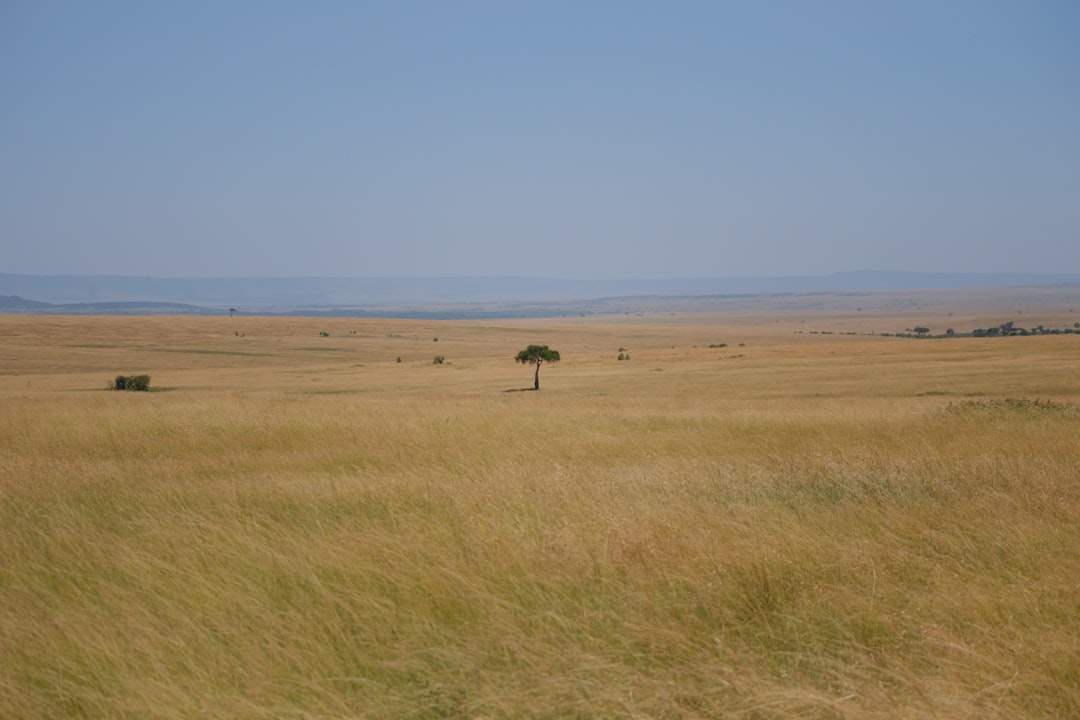
The Great Migration and the Crossings of the Mara River
Between July and October, the Masai Mara becomes the stage for one of the most dramatic natural spectacles on the planet. About 1.5 million wildebeest, along with zebras and Thomson's gazelles, migrate from the Serengeti to the greener pastures of the Mara following the seasonal rains. The most intense moment is the crossing of the Mara River: huge herds gather on the banks before plunging into the choppy water, while Nile crocodiles wait patiently beneath the surface. A single crossing can last for hours, with the animals advancing and retreating multiple times before finally crossing.
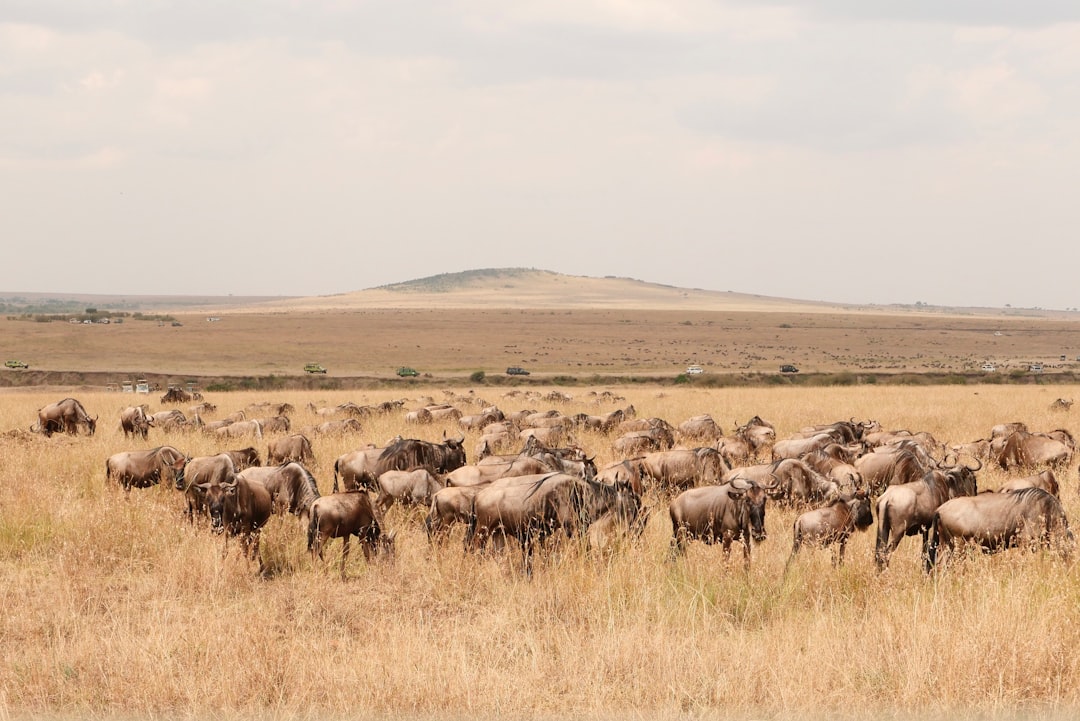
The classic observation points are located along the bends of the river, particularly in the area called Crossing Point 1 near the Mara Triangle, managed by the Mara Conservancy. It is advisable to arrive early in the morning and bring patience: sometimes the wildebeest wait for hours before crossing, and the right guide knows how to read the herd's behavior to understand when the crossing is imminent.
Biodiversity Beyond the Large Mammals
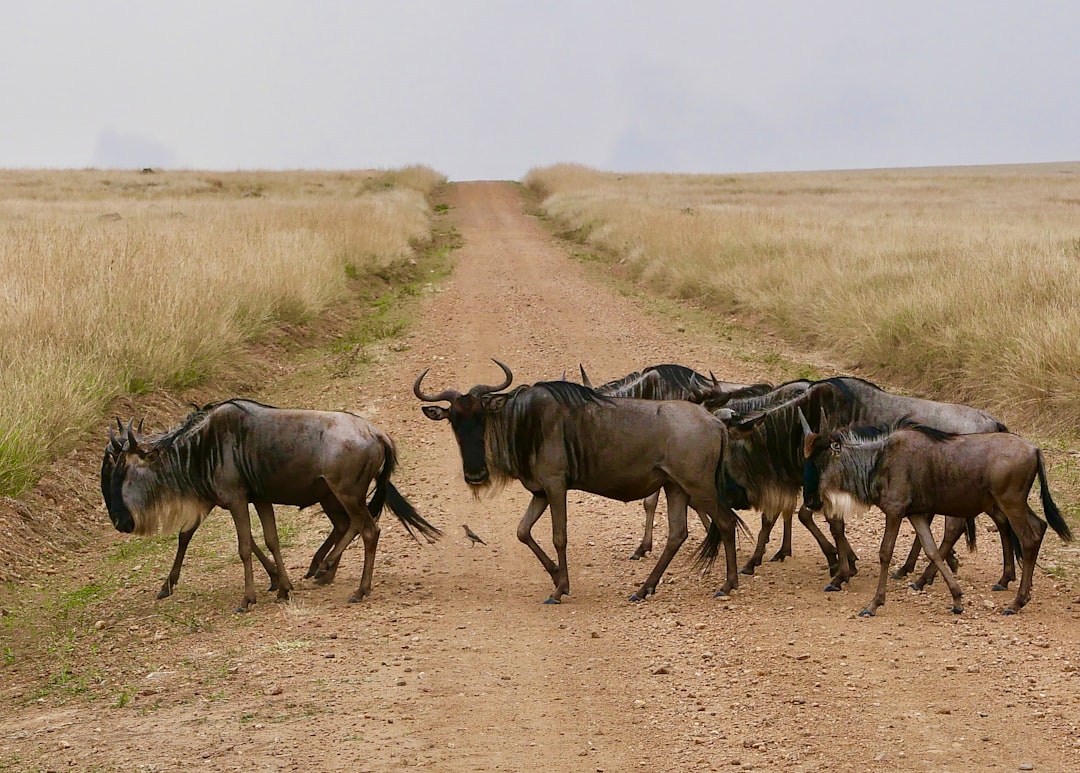
Those who visit the Masai Mara focusing only on the Big Five risk missing out on extraordinary biodiversity. The reserve is home to over 450 species of birds, including the majestic Rüppell's vulture, the vividly colored malachite kingfisher, and numerous species of eagles. Hippos gather in pools along the Mara River, clearly visible from many accessible points by vehicle. Elephants in matriarchal herds move through the wooded areas, and the open savannah teems with Masai giraffes, buffalo, and impalas in every direction.
At sunset, when the light turns orange and slanting, the plain takes on colors that no photograph can fully capture. The umbrella acacias stand out against the sky, and cheetahs or lions can often be seen climbing on termite mounds to scan the horizon. It is in these moments that the savannah communicates something difficult to describe rationally.
Practical tips for visiting the Masai Mara
The best time to visit the reserve is between July and October to witness the migration, but the months from January to March also offer great sightings of felines with shorter grass. The long rainy season, between April and June, makes some roads impassable but offers lush green landscapes and fewer tourists. Access is mainly by flight from Nairobi to small internal airports like Keekorok or Ol Kiombo, with flights of about 45 minutes operated by companies like SafariLink or AirKenya. Alternatively, the land transfer from Nairobi takes about 5-6 hours on partially paved roads.
Entry fees to the main reserve vary based on the season and the nationality of the visitor: non-residents pay significantly higher amounts compared to Kenyan residents, with fees in 2024 hovering around 200 US dollars per day for adults in high season. Booking accommodation well in advance is essential for July and August, when lodges and camps tend to fill up months beforehand.


