
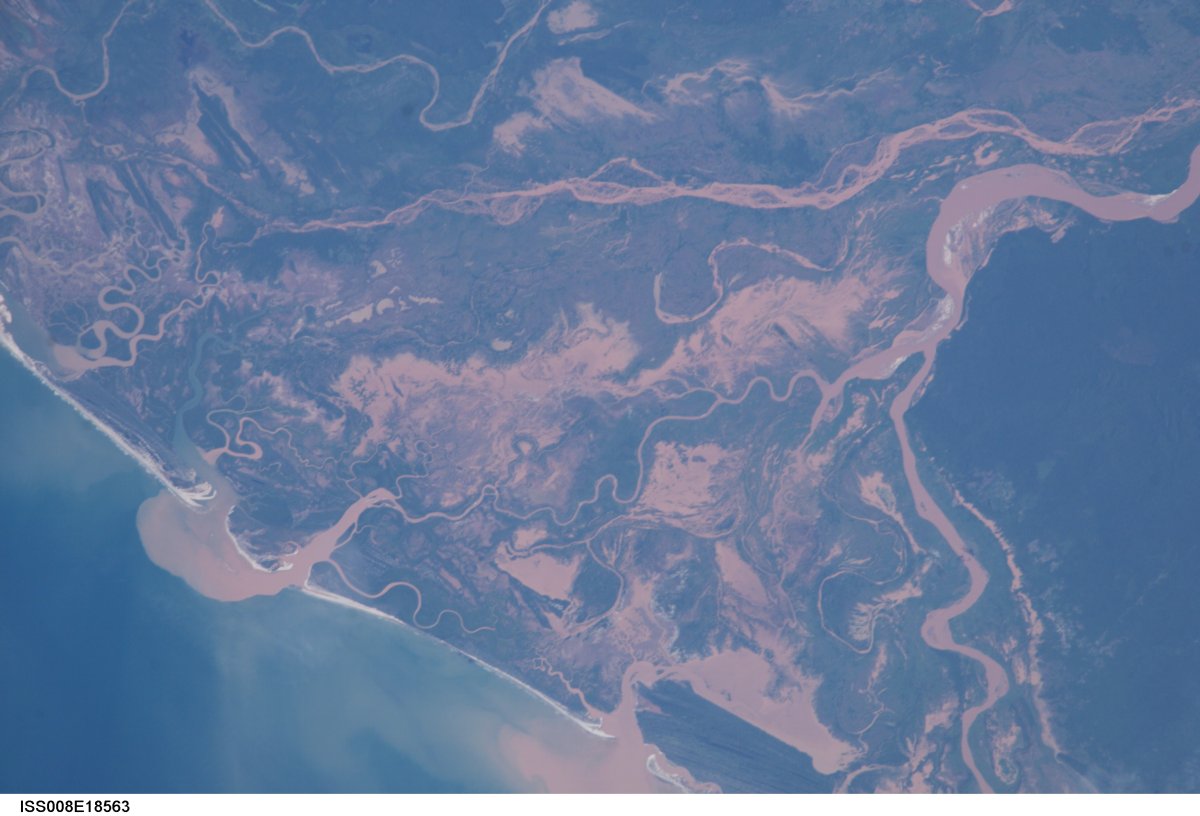

The dirt path narrows until it becomes little more than a trail, and the jeep jolts over every protruding root while the dry tropical forest closes in on the sides like a green tunnel. Then, suddenly, the ground opens up and before your eyes appears a perfectly circular body of water, nestled between the hills like a forgotten gem. This is the crater lake of Masoarivo, in central-western Madagascar, one of the most remote and least visited places on the entire island.

Masoarivo is a small village in the Bongolava region, accessible from Tsiroanomandidy by traveling dozens of kilometers on unpaved roads that cross a landscape of savanna and dry forest. There are no organized tourist facilities, there are no signposts, there is no ticket to purchase at the entrance. The lake is simply there, guarded by the local community and the indifference of the outside world.
A lake born from fire: the geology of the site
The volcanic origin of the lake is evident even to an untrained eye: the almost perfectly circular shape of the basin betrays its nature as a maar, that is, a crater formed by phreatomagmatic explosion, when the rising magma encountered underground water. This type of formation is relatively rare and gives the lake sharp contours and steep walls that drop directly into the water. The dark rocks along the shores, clearly of volcanic origin, complete the geological picture.
The water appears dark and deep, with reflections that change color throughout the day, shifting from a deep green in the early morning to an intense blue in the central hours. The exact depth of the lake has not been accurately measured by publicly available studies, but the visual characteristics suggest a considerable basin. Around the perimeter, the dry deciduous tropical forest — an already rare and threatened ecosystem — forms a dense crown that isolates the lake from the rest of the landscape.
The dry forest that embraces it
Madagascar hosts about 90% of its animal and plant species in endemic form, and the dry forest surrounding Lake Masoarivo is no exception. Walking along the perimeter of the basin, one can observe specimens of baobab — probably Adansonia madagascariensis, one of the six endemic baobab species of Madagascar — emerging among the shorter trees with their swollen and twisted trunks.
The local avifauna is rich and easily observable precisely because the place is not disturbed by mass tourism. In the early hours of the morning, it is possible to hear and see various species of endemic Malagasy birds drinking along the shores. The presence of lemurs in the surrounding forested areas is reported by the villagers, although sightings depend greatly on the season and the visitor's luck.
Getting to Masoarivo: everything you need to know
Reaching Masoarivo requires planning and a good dose of flexibility. The nearest logistical starting point is Tsiroanomandidy, the capital of the Bongolava region, accessible by bus from Antananarivo in about five or six hours by road. From Tsiroanomandidy, it is necessary to rent a four-wheel drive vehicle — a non-negotiable requirement, especially during the rainy season from November to April — or arrange with a local motorcycle taxi for the more accessible stretches.
The most important practical advice: visit the lake during the dry season, between May and October, when the dirt tracks are passable and the risk of getting stuck in the mud is minimal. It is strongly recommended to bring plenty of drinking water, food for the entire day, and spare fuel, as there are no refueling points along the way. Arriving early in the morning allows you to enjoy the best light for photography and to avoid the intense heat of the central hours.
The village and the relationship with the local community
Masoarivo is a village mainly inhabited by people of the Merina and Sakalava ethnic groups, and as in many rural communities in Madagascar, respect for local traditions is fundamental. Before approaching the lake, it is good practice to introduce oneself to the village chief or the elder residents, ask for permission to visit the site, and, if possible, hire a local guide who knows the paths and can facilitate communication.
There are no accommodation facilities in the village, so overnight stays on-site are not a viable option for most travelers. The ideal is to organize the visit as a full-day excursion starting from Tsiroanomandidy, where some basic guesthouses can be found. Bringing small practical gifts — school supplies, over-the-counter medicines — is a appreciated gesture that helps maintain a positive relationship between the rare visitors and the community that guards this extraordinary corner of Madagascar.


