



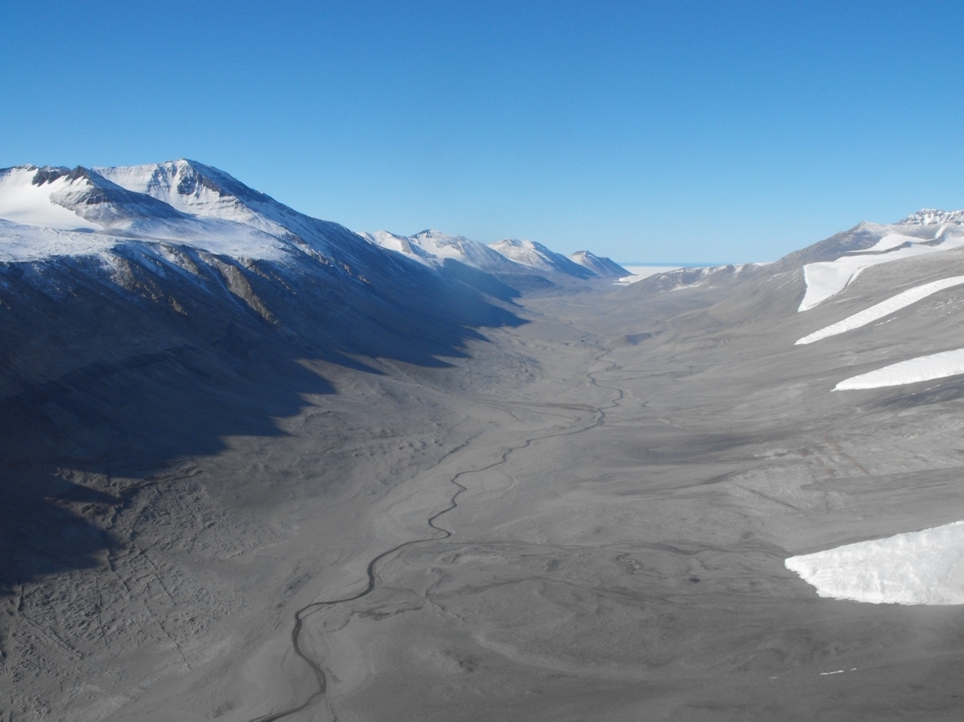
The McMurdo Dry Valleys in Antarctica are a mesmerizing testament to nature’s extremes, a stark yet beautiful landscape that feels almost otherworldly. These valleys are one of the few areas in this frigid continent that are largely free of ice, making them an exceptional destination for scientists and adventurers alike. With windswept terrain and scattered frozen lakes, this region is not just defined by its desolation but by its striking and unusual geological features.
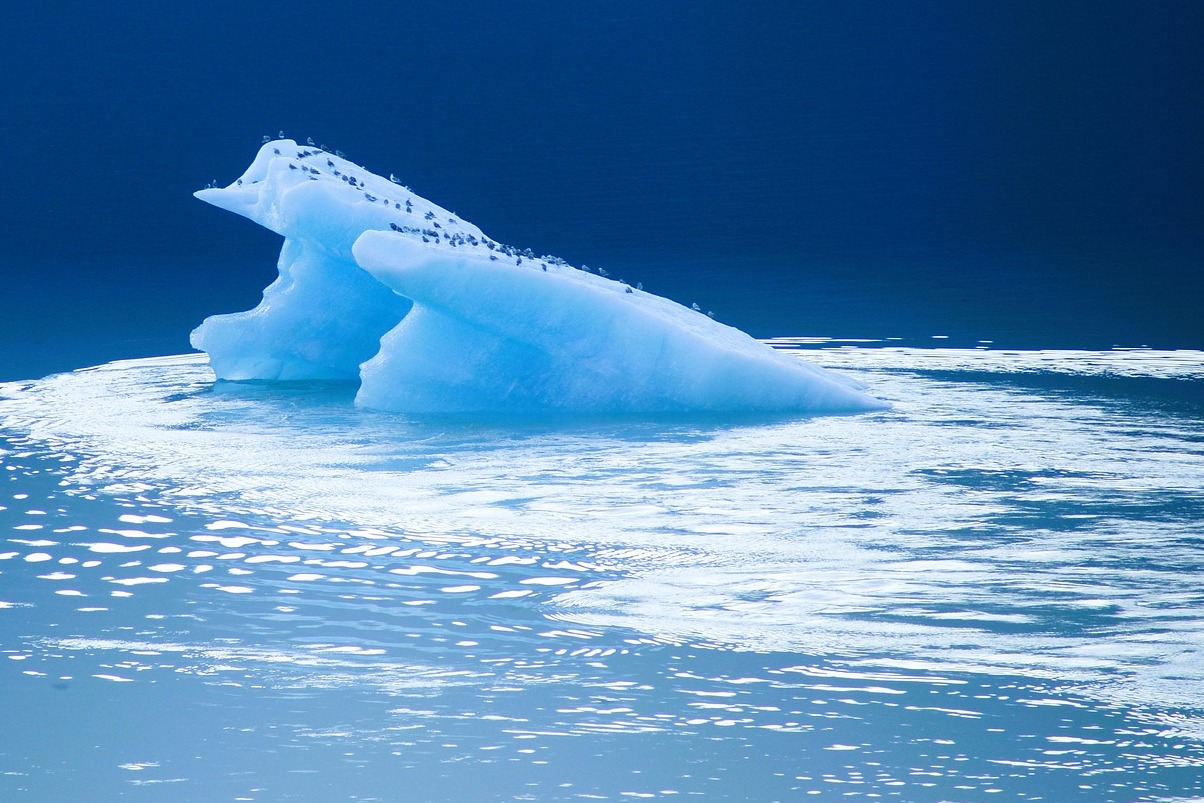
The history of the Dry Valleys is intertwined with the exploration of Antarctica itself. The valleys were first discovered during the 1930s by the explorer Robert F. Scott and his team, who were among the first to conduct scientific research in this remote area. Subsequent expeditions, particularly during the International Geophysical Year (1957-1958), further unveiled the unique characteristics of the region. The Dry Valleys were established as a protected area in 1960 and are now part of the larger McMurdo Station, which serves as a hub for scientific research in Antarctica.
The architectural significance of the region lies not in grand structures but in the scientific installations that dot the landscape. These research stations are designed to blend into the environment, utilizing low-impact building techniques to minimize their footprint. The McMurdo Station, operated by the United States Antarctic Program, is itself an intriguing mix of functional design and rugged beauty, housing researchers from various disciplines who come to study the unique ecosystems found here.
Art in the McMurdo Dry Valleys may not be overtly visible, but the stunning natural formations serve as inspiration for those who venture into this realm. The iconic Blood Falls is perhaps the most famous artistic feature of the area, where iron-rich water flows from the Taylor Glacier, creating a vivid red waterfall against the stark white ice. This phenomenon is not just visually striking; it represents the hidden life forms, particularly microorganisms, that thrive in isolation, creating a fascinating link between art and science.
Culturally, the Dry Valleys are a canvas for the traditions of those who work and live in this austere environment. While there may not be local customs in the traditional sense, the Antarctic community celebrates the spirit of collaboration and discovery. Researchers from various countries come together to share knowledge and experiences, often creating a strong camaraderie that resembles a festival of intellect and exploration. The Antarctic Midwinter Festival, celebrated on June 21, is a highlight, featuring activities that bring warmth and joy to the darkest time of the year.
As for gastronomy, the Dry Valleys present unique challenges. Traditional local foods are virtually non-existent in this harsh climate, but researchers enjoy meals prepared at the McMurdo Station. These meals often feature hearty ingredients like canned goods, freeze-dried foods, and even dishes inspired by the international makeup of the research teams. The ingenuity of chefs here transforms simple supplies into satisfying meals, and the communal dining experience fosters a sense of camaraderie among the inhabitants.
For those venturing into the McMurdo Dry Valleys, there are several lesser-known curiosities to uncover. One surprising fact is that the region is home to the largest desert on Earth, despite being located in Antarctica. The valleys receive less than 10 millimeters of precipitation annually, making them one of the driest places on the planet. Additionally, the unique subglacial ecosystems present in the region have remained isolated for millions of years, offering scientists insights into life's resilience and adaptability.
The best time to visit the McMurdo Dry Valleys is during the Antarctic summer, from November to February, when temperatures are relatively milder, ranging from -2°C to 8°C (28°F to 46°F). Conditions can still be harsh, so visitors should be prepared with proper gear, including insulated clothing and sturdy footwear. Guided tours often provide the best opportunities to experience the wonders of the valleys, including visits to the enigmatic Blood Falls and other geological highlights.
When exploring the Dry Valleys, keep an eye out for the astounding microbial mats that thrive in the lakes, as they hold clues to life forms that could exist on other planets. These unique ecosystems are a reminder of nature’s ability to adapt and survive, even in the most extreme conditions.
As you plan your journey to this captivating destination, consider using the Secret World app for a personalized itinerary to make the most of your Antarctic adventure.
