🎄 Win a month in Italy for two — €10,000 · The Secret Italy Prize GO →
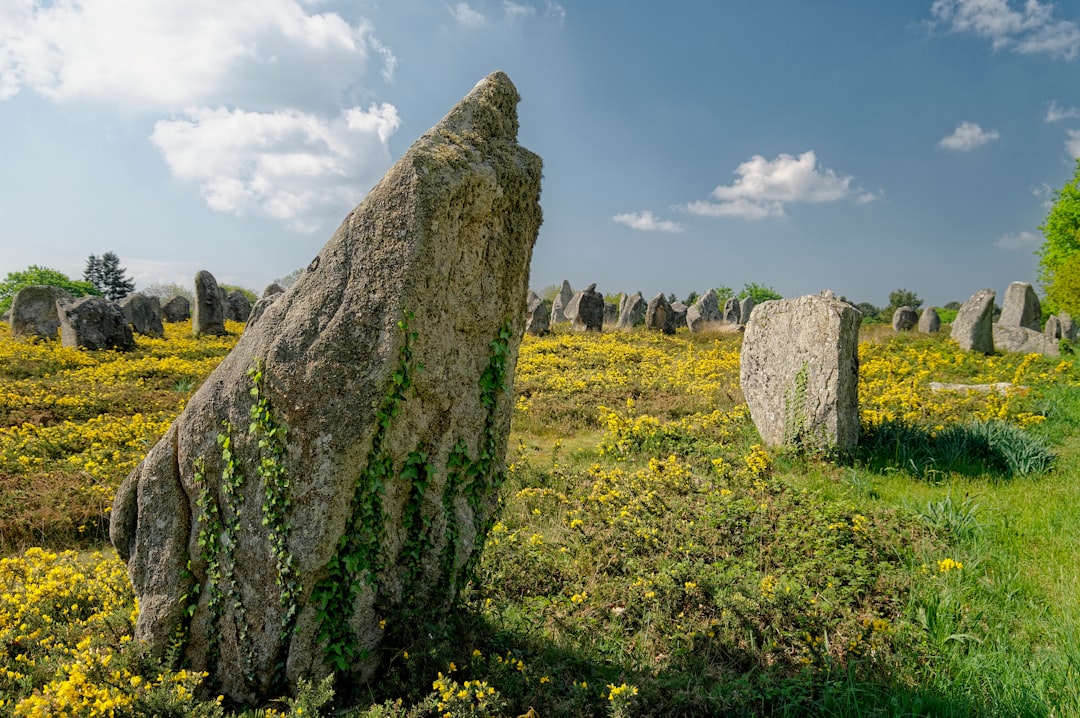
Megaliths of Carnac - 3,000 prehistoric standing stones. — Carnac
← Back
Historical Sites 📍 Carnac, France 296 views

Megaliths of Carnac - 3,000 prehistoric standing stones.

In the heart of Brittany, the Megaliths of Carnac rise from the earth like ancient sentinels, whispering tales of a bygone era. With over 3,000 prehistoric standing stones, these remarkable formations are among the largest and most significant collections of megaliths in the worl...

Photo · Marika S.

Megaliths of Carnac - 3,000 prehistoric standing stones. — Carnac, France.

Location
Carnac
Type
Historical Sites
Opening hours
Weather now
↗ Directions

About Megaliths of Carnac - 3,000 prehistoric standing stones.

Megaliths of Carnac - 3,000 prehistoric standing stones. - Carnac | Secret World Trip Planner

In the heart of Brittany, the Megaliths of Carnac rise from the earth like ancient sentinels, whispering tales of a bygone era. With over 3,000 prehistoric standing stones, these remarkable formations are among the largest and most significant collections of megaliths in the world, drawing travelers and historians alike to unravel their mysteries.

Megaliths of Carnac - 3,000 prehistoric standing stones. - Carnac | Secret World Trip Planner

### History and Origins

The origins of the Megaliths of Carnac stretch back into the depths of the Neolithic period, estimated to be around 3300 BC, with some stones dating as far back as 4500 BC. These monumental structures were erected by the pre-Celtic peoples of Brittany, who possessed a profound understanding of stonework and alignment with celestial events.

Megaliths of Carnac - 3,000 prehistoric standing stones. - Carnac | Secret World Trip Planner

The purpose of these stones remains a topic of fascination and debate among archaeologists. Some suggest they served as ceremonial sites, while others believe they marked burial grounds or astronomical observatories. The most famous alignments include the Menec, Kermario, and Kerlescant rows, which stretch over several kilometers and consist of stones arranged in precise formations.

However, centuries of neglect have taken their toll. Many dolmens, once sacred sites, have been repurposed as sheep shelters or chicken coops, while others have been tragically removed for construction or agricultural needs. Despite this, the stones continue to stand resolutely, a testament to the ingenuity of their creators.

### Art and Architecture

Architecturally, the Megaliths of Carnac are a stunning showcase of prehistoric engineering. The stones are predominantly made of granite, hewn from local quarries and transported to their sites using techniques lost to time. The tallest stones, some reaching heights of over 4 meters, exhibit a striking uniformity in their craftsmanship, suggesting a collective effort and a shared cultural significance.

Notable among the structures are the dolmens, which are table-like stones supported by upright slabs, and tumuli, burial mounds cloaked in earth. The intricate carvings found on some stones, including spirals and other geometric shapes, hint at the artistic expression of the era and underscore the stones' spiritual and ceremonial importance.

### Local Culture and Traditions

The village of Carnac is steeped in local legends and customs that celebrate its megalithic heritage. Festivals such as the Festival Interceltique de Lorient bring together Celtic cultures from across Europe, featuring music, dance, and storytelling that pay homage to the ancient past.

Local traditions also include the Fête de la Saint-Jean, celebrated in late June with bonfires and community gatherings, symbolizing the connection between past and present. The village's residents take pride in their megalithic history, often sharing stories and folklore that highlight the importance of these stones in their cultural landscape.

### Gastronomy

A visit to Carnac would be incomplete without indulging in the region's culinary delights. Breton cuisine is characterized by its rich flavors and local ingredients. Galettes de sarrasin, savory buckwheat crepes filled with cheese, ham, or eggs, are a must-try. Pairing these with a glass of cider, a staple drink of Brittany, enhances the experience.

Another local specialty is seafood, particularly oysters from the nearby Quiberon Bay, renowned for their quality. Visitors should also seek out kouign-amann, a delectable buttery pastry that encapsulates the sweetness of Breton desserts.

### Lesser-known Curiosities

While many tourists flock to the most famous alignments, there are hidden gems among the megaliths that often go unnoticed. For instance, the Alignement de Kermario features a lesser-visited section known as the Table des Marchands, which is believed to have been a ceremonial gathering place.

Another interesting fact is that the stones are not just geological formations; they are also aligned with celestial events. During the winter solstice, the sun rises perfectly aligned with specific stones, indicating that the ancient peoples of this area had a profound understanding of astronomy.

### Practical Visitor Information

The best time to visit the Megaliths of Carnac is during the spring and early autumn months when the weather is mild and the tourist crowds are smaller. Early mornings or late afternoons provide the most serene atmosphere for exploring the sites.

Visitors should take time to walk the paths between the stones, allowing for a deeper connection to this ancient landscape. Guided tours are available, offering insights into the archaeological significance and history of the site.

For those planning a visit, consider downloading the Secret World app to create a personalized itinerary that captures the magic of Carnac and its megalithic wonders.

✦ Secret World · suggested day

A perfect day in Carnac

Start with Megaliths of Carnac - 3,000 prehistoric standing stones., then continue with nearby places selected by Secret World.

  1. 01
    Morning
    Megaliths of Carnac - 3,000 prehistoric standing stones.
    📍 Carnac
    Start here
  2. 02
    Afternoon
    📍 0.5 km away
  3. 03
    Evening
    📍 9.7 km away

Collect this place

Turn places you discover into stamps in your Secret Passport.

Open Secret Passport →

Keep exploring · Carnac

Frequently Asked Questions

The Megaliths of Carnac date back to the Neolithic period, with some stones estimated to be around 4500 BC and others from approximately 3300 BC. These remarkable structures were erected by the pre-Celtic peoples of Brittany, who demonstrated sophisticated knowledge of stonework and celestial alignment.
The exact purpose remains a subject of archaeological debate, but leading theories suggest the stones served as ceremonial sites, burial grounds, or astronomical observatories. The famous alignments like Menec, Kermario, and Kerlescant were arranged in precise formations that may have had both spiritual and practical significance.
The Megaliths of Carnac consist of over 3,000 prehistoric standing stones, making it one of the largest collections of megaliths in the world. These stones are predominantly made of granite, hewn from local quarries, with the tallest reaching heights of over 4 meters and displaying remarkable uniformity in craftsmanship.
The most famous alignments include the Menec, Kermario, and Kerlescant rows, which stretch over several kilometers and showcase the precise stone formations arranged by their prehistoric creators. These three main alignments are the primary highlights that draw historians and travelers to the site.
While the stones continue to stand as a testament to their creators' ingenuity, centuries of neglect have taken their toll on many structures. Many dolmens have been repurposed as sheep shelters or chicken coops, and some stones have been removed for construction or agricultural needs, though the main alignments remain largely intact.

Experiences nearby · Carnac

Powered by Viator

See more on Viator.com

Secret World Hidden places, real stories — plan your trip
Get the app