


For aficionados of history, Mehrgarh is akin to discovering a treasure trove amidst the sandy expanse of majestic Baluchistan. Nestled in the Kacchi Plain of Baluchistan, the ruins of Mehrgarh offer a glimpse into the distant past, dating back to a period between 6500 BCE and 5500 BCE.
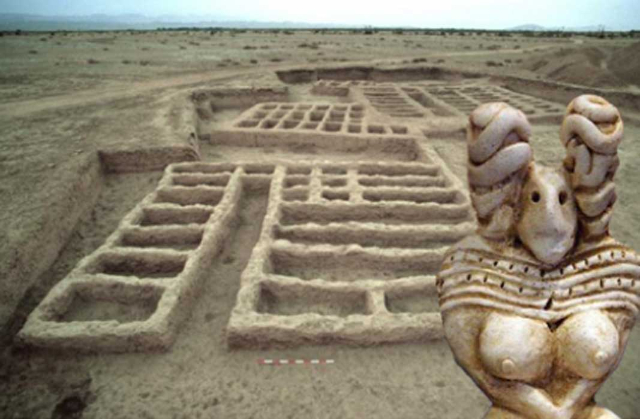
Once a humble farming village, Mehrgarh has since become a focal point for archaeological exploration, with its sprawling expanse encompassing a series of successive settlements. The site has yielded a rich array of artifacts, with over 32,000 items unearthed from six distinct mounds.
For those with a keen interest in unraveling the mysteries of ancient civilizations, Mehrgarh presents a captivating narrative of human endeavor and ingenuity. It stands as a testament to the ebb and flow of human history, offering valuable insights into the evolution of settled village life.

The significance of Mehrgarh transcends mere archaeological discovery, reshaping our understanding of the broader context of the Indus civilization. As noted by Ahmad Hasan Dani, esteemed professor emeritus of archaeology at Quaid-e-Azam University in Islamabad, the revelations at Mehrgarh have revolutionized our perception of ancient civilizations, providing a comprehensive chronicle of early human settlements.
Catherine Jarrige of the Centre for Archaeological Research Indus Baluchistan at the Musée Guimet in Paris echoes this sentiment, emphasizing the pivotal role of Mehrgarh in shedding light on the complexities of ancient societies. In Mehrgarh, we find not just relics of a bygone era, but a living testament to the resilience and innovation of humanity across the ages.


