
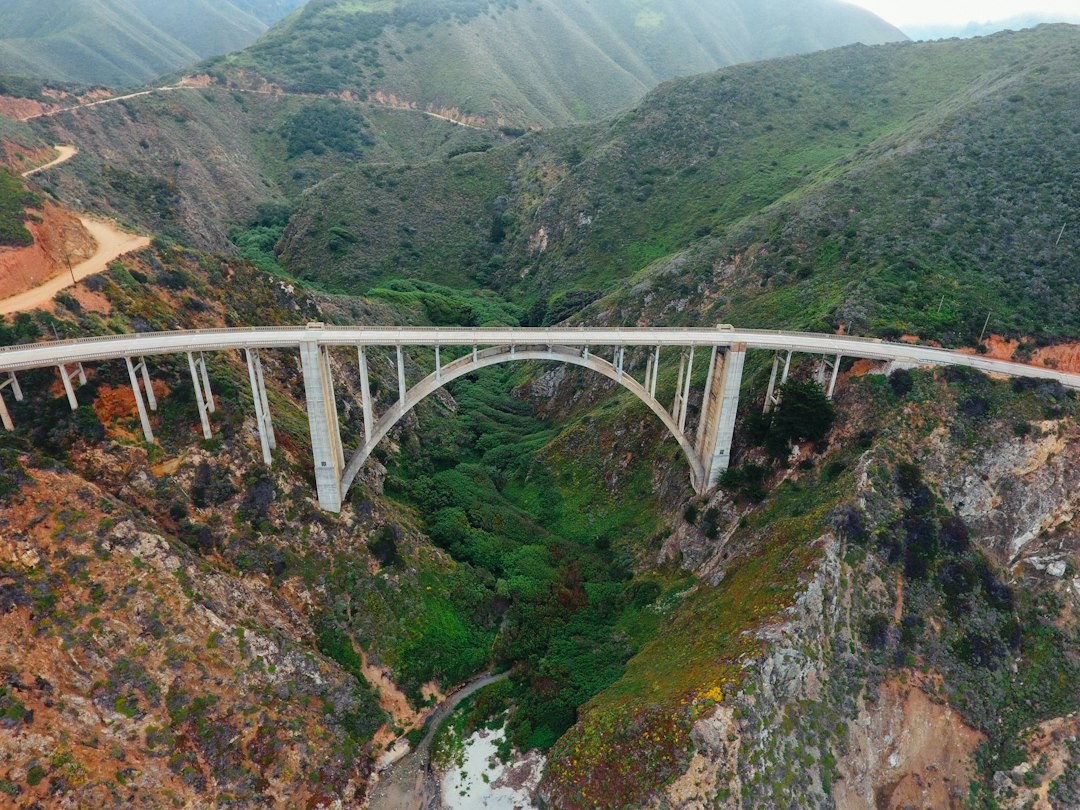

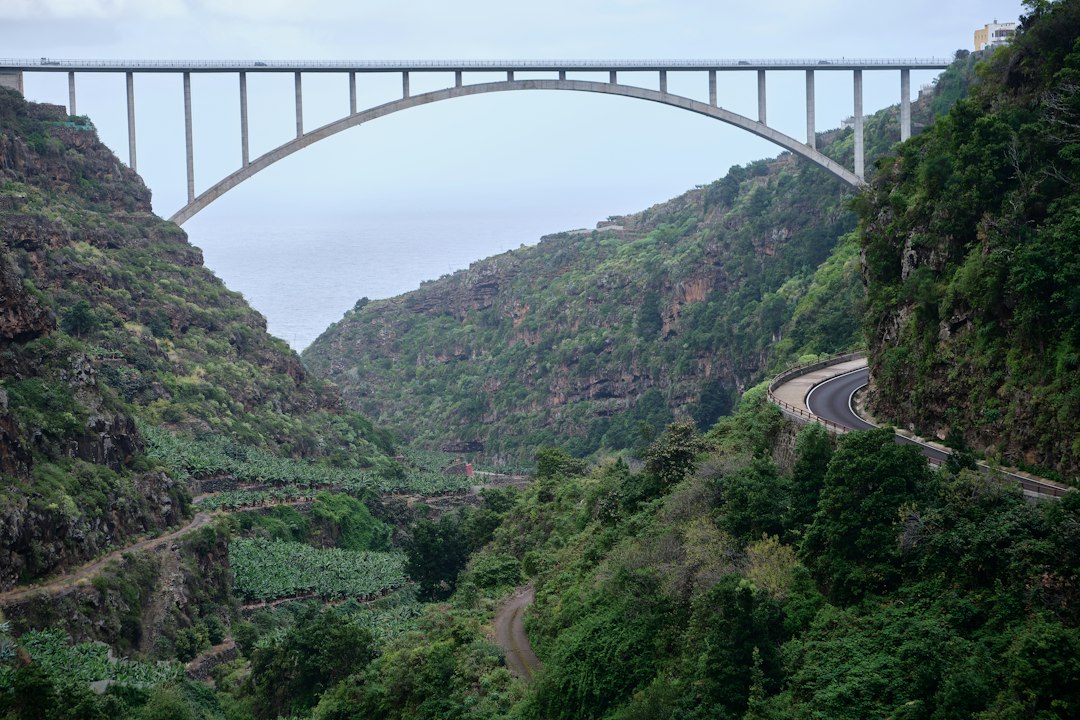
A hundred and ten meters above the head, a strip of concrete and steel cuts through the humid air of the Metlac gorge like a line drawn by a steady hand. The Ing. Mariano García Sela Bridge, known to all as the Metlac Bridge, stretches for about 900 meters over one of the deepest ravines in the state of Veracruz, in the Mexican highlands that connect the Gulf coast to the central plateau. As the morning slowly advances among the foliage of the jungle below, the fog rises from the vegetation and envelops the pillars of the viaduct until they become almost invisible: the bridge seems to float in the void, suspended between two green walls of tropical forest.
The viaduct is part of the Orizaba–Córdoba Highway, the highway axis that connects the industrial cities of the interior with the port of Veracruz. Inaugurated in the 1980s as part of the enhancement of the Mexican road network, the bridge is named after engineer Mariano García Sela in homage to the technical work that made a project of this scale possible in such a rugged territory. Traveling across it by car means crossing in a few seconds a space that the old federal road below — the historic Federal Highway 150 — navigates with twists and turns for many kilometers.
The view from the old federal highway
The best-kept secret of Metlac is that the best way to truly understand the bridge is not to cross it, but to look at it from below. Descending from the old Federal Highway 150, near Fortín de las Flores, you reach an unofficial viewpoint frequented by locals, from which the entire structure reveals itself in all its proportion. From that perspective, the cars passing on the highway look like tiny insects crawling on a thread stretched between two mountains.
The vegetation covering the walls of the ravine is thick and lush: tree ferns, bromeliads, wild orchids, and tropical trees overlap in a green disorder that contrasts with the precise geometry of the concrete pillars. The pillars themselves, dozens of meters high each, emerge from the jungle like columns of a forgotten temple. At certain moments in the morning, with the slanting light and the moving mist, the scene has something unreal, almost cinematic.
Crossing the bridge by car
Those traveling the toll highway between Orizaba and Córdoba cross the Metlac Bridge almost without realizing it, unless they know what to expect. The advice is to slow down — within the allowed limits — and look to the sides: sudden glimpses open up on the guardrails to the gorge below, with vegetation plunging towards the valley floor and the river flowing invisibly among the branches. The crossing lasts less than a minute, but the impression of being suspended in the void is immediate and tangible.
The toll on this stretch is among the highest in Mexico per kilometer, reflecting the cost of construction and maintenance of such a complex infrastructure. However, many travelers deliberately choose to travel this stretch precisely for the experience of the viaduct, adding it as a conscious stop during the transfer between the coast and the plateau.
Fortín de las Flores: the ideal base
Fortín de las Flores is the small town closest to the bridge and offers a cozy and pleasant atmosphere. Its name is not random: the area is historically known for flower production, particularly gardenias and orchids, thanks to the favorable microclimate of the Veracruz hills. The urban center is quiet, with family-run hotels and restaurants serving local cuisine at affordable prices.
Staying in Fortín allows you to organize a visit to the viewpoint on the bridge in the early morning hours, when the fog is densest and the spectacle is most impressive. A car or a local taxi is sufficient to reach the observation points along the old federal road. There is no entrance ticket or organized tourist facility: it is a spontaneous stop on a public road, which makes it authentic and free from commercial mediation.
Practical tips for the visit
The best time to see the Metlac Bridge is between 7:00 and 9:00 in the morning, when the morning fog rises from the gorge and creates the most dramatic visual effect. In the months between November and February, the fog is more frequent and persistent. During the high summer season, the sky tends to be clearer, which offers a sharper view but less atmospheric.
Those arriving by bus from Córdoba or Orizaba can get off at Fortín de las Flores and take a taxi to the old Federal Highway 150. Bring water and a light jacket: the humidity of the gorge can be surprising, and temperatures in the early morning are cooler than one might expect at these latitudes. Allow at least an hour and a half to enjoy the viewpoint without rushing, wait for the fog to move, and observe the structure in different lighting conditions.


