


Nestled in the far southwestern corner of Uganda, Mgahinga Gorilla National Park is a treasure trove of biodiversity and culture, making it a must-visit for wildlife enthusiasts and cultural aficionados alike. This park, enveloped by the majestic Virunga Mountains, is one of only two parks in Uganda that provides a sanctuary for the critically endangered mountain gorilla, offering a unique glimpse into the natural world and the cultural tapestry of the region.

The history of Mgahinga Gorilla National Park is as rich as the volcanic soil it sits upon. The park was gazetted in 1991, but its story stretches far back to ancient times when the indigenous Batwa people, also known as the "keepers of the forest," roamed these lands as their ancestral home. The Batwa, a pygmy group, lived in harmonious symbiosis with the forest, practicing a hunter-gatherer lifestyle that was profoundly respectful of the environment. The establishment of the park aimed not only to protect the gorillas but also to preserve the delicate ecosystem and the cultural heritage of the Batwa.
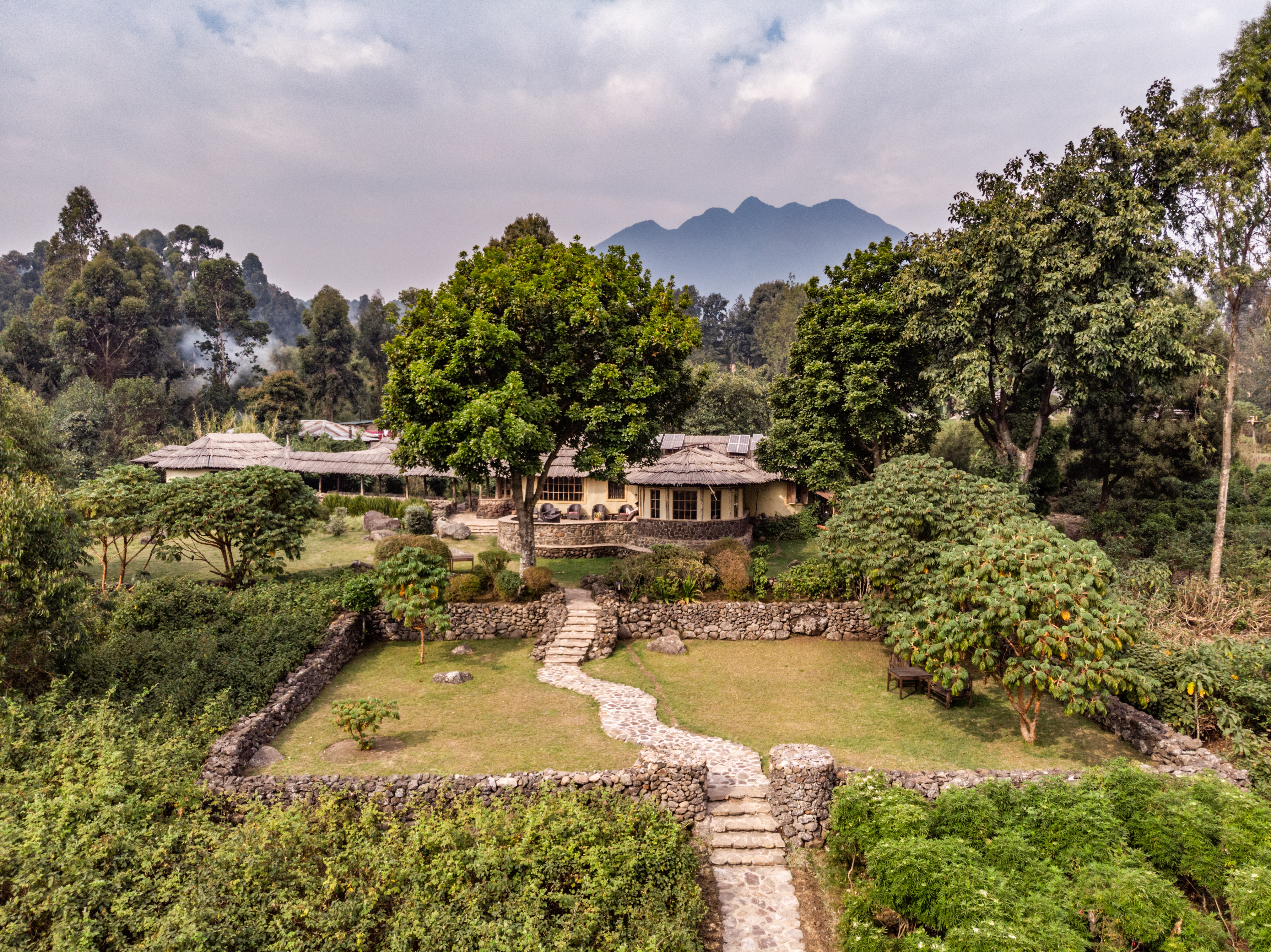
Architecturally, the park is dominated by the dramatic silhouettes of the Virunga volcanic mountains, including Mount Muhabura, Mount Gahinga, and Mount Sabyinyo. These peaks, clothed in lush green vegetation, form a natural amphitheater that is as awe-inspiring as any man-made structure. While the park lacks traditional architecture, the landscape itself is a masterpiece of natural art, with its verdant slopes and misty mountaintops creating an ever-changing canvas of beauty.
The cultural tapestry of the area is intricately woven with the traditions of the Batwa people. Although the Batwa were evicted from the park to protect the gorillas, their cultural legacy continues to thrive. Visitors can engage with the Batwa community through cultural tours that offer insights into their traditional way of life, crafts, and music. The Batwa Trail Experience is particularly enlightening, showcasing traditional hunting techniques, medicinal plant use, and spiritual practices that have been passed down through generations.
When it comes to gastronomy, the region surrounding Mgahinga Gorilla National Park offers a taste of traditional Ugandan cuisine. Staples include matoke (steamed green bananas), posho (a maize porridge), and groundnut sauce. These simple yet hearty dishes are often accompanied by fresh produce and tender goat or beef stew. For the adventurous palate, the crispy Rolex—an omelet rolled in a chapati—is a local street food favorite, providing a quick and satisfying meal for explorers on the go.
Beyond its more famous attractions, Mgahinga Gorilla National Park harbors lesser-known curiosities that add depth to its allure. The park is part of the larger Virunga Conservation Area, which spans across Uganda, Rwanda, and the Democratic Republic of Congo. This unique transboundary collaboration highlights the importance of regional cooperation in conserving wildlife and habitats. Moreover, the park is home to the rare golden monkey, a striking primate with a golden-orange patch on its back, offering an exceptional wildlife viewing opportunity for those lucky enough to spot it.
For visitors, timing is crucial to maximize the experience. The best time to visit Mgahinga Gorilla National Park is during the dry seasons from June to September and December to February. These months offer the most favorable conditions for gorilla trekking, with less rainfall and clearer trails. It's advisable to book gorilla trekking permits well in advance, as they are limited and highly sought after.
Practical tips for visitors include preparing for varied weather conditions due to the park's high altitude. Sturdy hiking boots, waterproof clothing, and layers are essential. Bring a camera with a good zoom lens to capture the intricate details of the gorillas and the breathtaking landscape. For those interested in cultural experiences, engaging with local guides can provide invaluable insights into the park's natural and cultural wonders.
In essence, Mgahinga Gorilla National Park is a place where nature and culture intertwine, offering a profound experience that resonates long after the visit. From its volcanic peaks to its vibrant wildlife and rich cultural heritage, the park invites you to explore, learn, and be inspired by one of the most unique corners of the world.


