



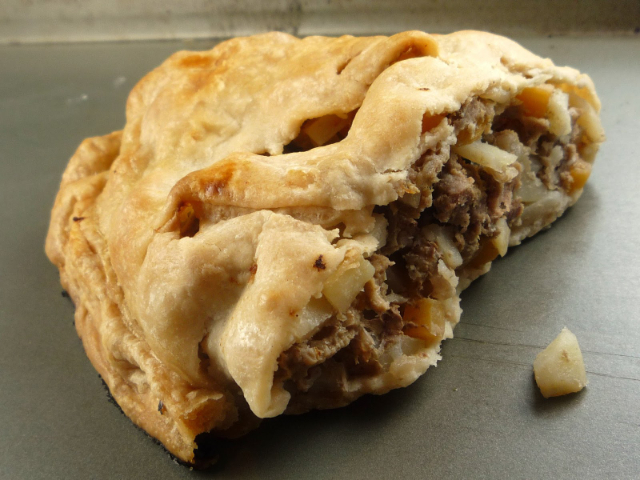
Nestled in the heart of the Upper Peninsula of Michigan, the humble pasty is more than just a meat hand pie; it's a culinary monument to the region's rich, multicultural history. This robust pastry, with its flaky crust enveloping a hearty filling of beef, potatoes, rutabagas, and onions, is a testament to the resilience and ingenuity of the miners who once toiled in the depths of Michigan's earth.

The origins of the pasty reach back to the rugged landscapes of Cornwall, England, where it was a staple among tin miners. In the 1840s, as the demand for labor in the copper and iron mines of Michigan surged, Cornish immigrants brought with them not only their mining expertise but also their beloved pasties. This portable, nutritious meal quickly became an essential part of the miners' diet, offering sustenance that was both convenient and hearty enough to sustain them through long, grueling workdays.
In the Upper Peninsula, the pasty has transcended its utilitarian roots to become a beloved cultural symbol. While the exterior remains traditionally simple, the community has embraced variations that showcase the region's diverse culinary influences. You might find pasties filled with venison, reflecting the area's rich hunting culture, or even vegetarian versions catering to modern tastes. Each bite is a journey through Michigan's unique cultural tapestry, connecting the past with the present.

The pasty's influence extends beyond the kitchen; it is woven into the very fabric of Upper Peninsula culture. Each year, the town of Calumet hosts the Pasty Fest, a vibrant celebration that includes a parade, pasty-eating contests, and a cornucopia of flavors from local vendors. This festival is not just a tribute to the pasty but a gathering that highlights the community's enduring spirit and love for tradition. The event is a testament to how a simple dish can unite people across generations and backgrounds.
While the pasty is undoubtedly the star of Upper Peninsula gastronomy, the region offers other culinary delights shaped by its diverse immigrant communities. Finnish influences are evident in the popularity of juustoa (bread cheese) and mojakka (a traditional stew). These dishes, like the pasty, are rooted in the practical needs of those who settled the harsh, yet beautiful landscape of the Upper Peninsula.
Beyond the culinary scene, the Upper Peninsula is a treasure trove of lesser-known curiosities. For instance, the term "Yooper," used to describe residents of the region, is a source of local pride. The area is also home to the largest freshwater spring in the United States, Kitch-iti-kipi, known for its crystal-clear waters and fascinating underwater views. Visitors often overlook these unique features, instead focusing solely on the natural beauty of Lake Superior and the surrounding wilderness.
For those planning a visit, the best time to experience the Upper Peninsula's pasty tradition is during the summer months, when local festivals are in full swing, and the landscape is lush and inviting. However, if you prefer a quieter, more contemplative journey, the fall offers a stunning display of foliage and a chance to explore the region's history and culture at a more leisurely pace.
When seeking out the perfect pasty, consider venturing beyond the popular spots. Small towns like Houghton and Marquette boast establishments that have perfected the craft over decades, often using secret family recipes passed down through generations. Don't hesitate to ask locals for recommendations; Yoopers are known for their warmth and hospitality and are more than willing to share their culinary treasures with curious visitors.
In essence, the Michigan pasty is more than a meal; it's a narrative wrapped in pastry, a story of adaptation, survival, and shared heritage. Whether you find yourself at a bustling festival or a quiet corner of a local diner, taking a bite of this iconic hand pie is to partake in a piece of history, a tradition that continues to nourish the body and soul of the Upper Peninsula.
