
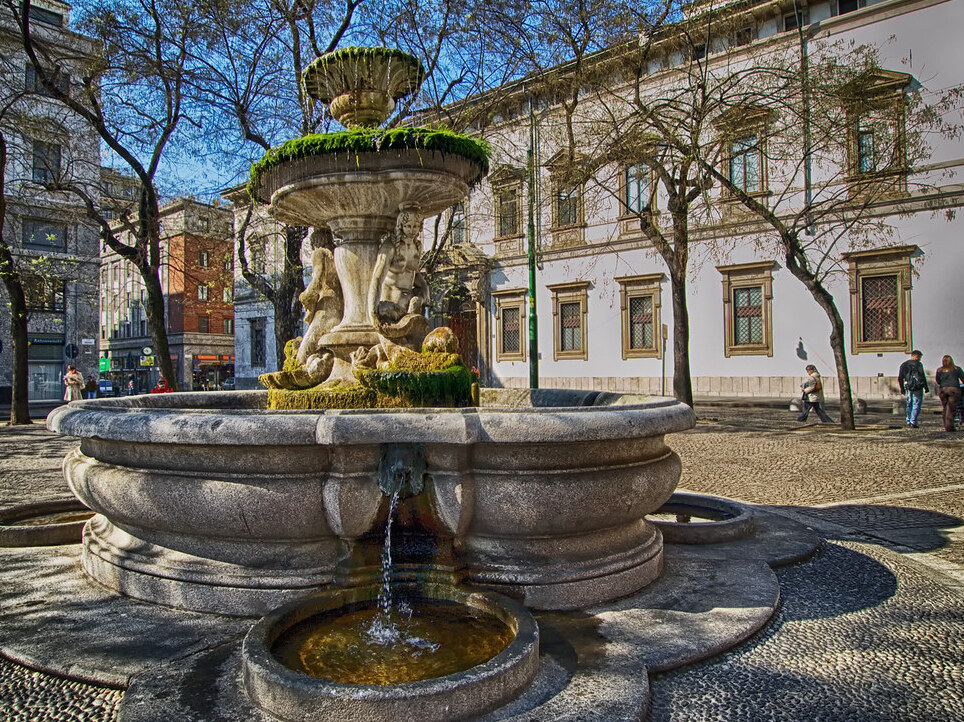

Nestled in the heart of Milan, the Piermarini Fountain stands as a testament to the city's rich architectural and cultural heritage. Inaugurated on August 15, 1782, this stunning fountain was designed by the acclaimed architect Giuseppe Piermarini, who is also celebrated for his work on the famous La Scala opera house. The fountain was a significant addition to the urban landscape of Milan, marking a moment when the city began to embrace more sophisticated public installations.
The fountain’s three pools, crafted from exquisite pink granite from Baveno, were ingeniously supplied with water from the Seveso River via a pump installed in the adjacent Via Ore. This innovative engineering marvel helped counteract the natural slopes of the city, ensuring a steady flow of water to the surface. At the center of the fountain, the largest basin is graced by three captivating Carrara marble sirens, known as Le Teodolinde, who elegantly support the two smaller basins atop their heads.
Architecturally, the Piermarini Fountain reflects the neoclassical style prevalent in late 18th-century Italy. Its harmonious lines and graceful proportions embody the era’s emphasis on symmetry and beauty. The intricate details of the marble sirens add a touch of whimsy and artistry, inviting visitors to pause and appreciate their craftsmanship.
Beyond its architectural significance, the fountain holds a special place in the local culture of Milan. It is not only a beautiful landmark but also a popular meeting point for locals and tourists alike. The surrounding area is often filled with laughter and conversation, especially during the summer months when outdoor cafes spill onto the streets.
Milan is also known for its vibrant festivals, and the Piermarini Fountain plays a subtle role in these celebrations. Events such as Festa di Sant’Ambrogio in December see the area around the fountain come alive with music, food stalls, and a palpable sense of community spirit. Visitors can soak in the festive atmosphere while enjoying local delicacies.
When it comes to gastronomy, Milan is a treasure trove of flavors. Nearby, one can find traditional dishes such as Risotto alla Milanese, a creamy saffron-infused rice dish, and Cotoletta alla Milanese, a breaded veal cutlet that is as rich in history as it is in taste. Pair your meal with a glass of Nebiolo wine from the surrounding vineyards, and you’ll experience the essence of Lombardy.
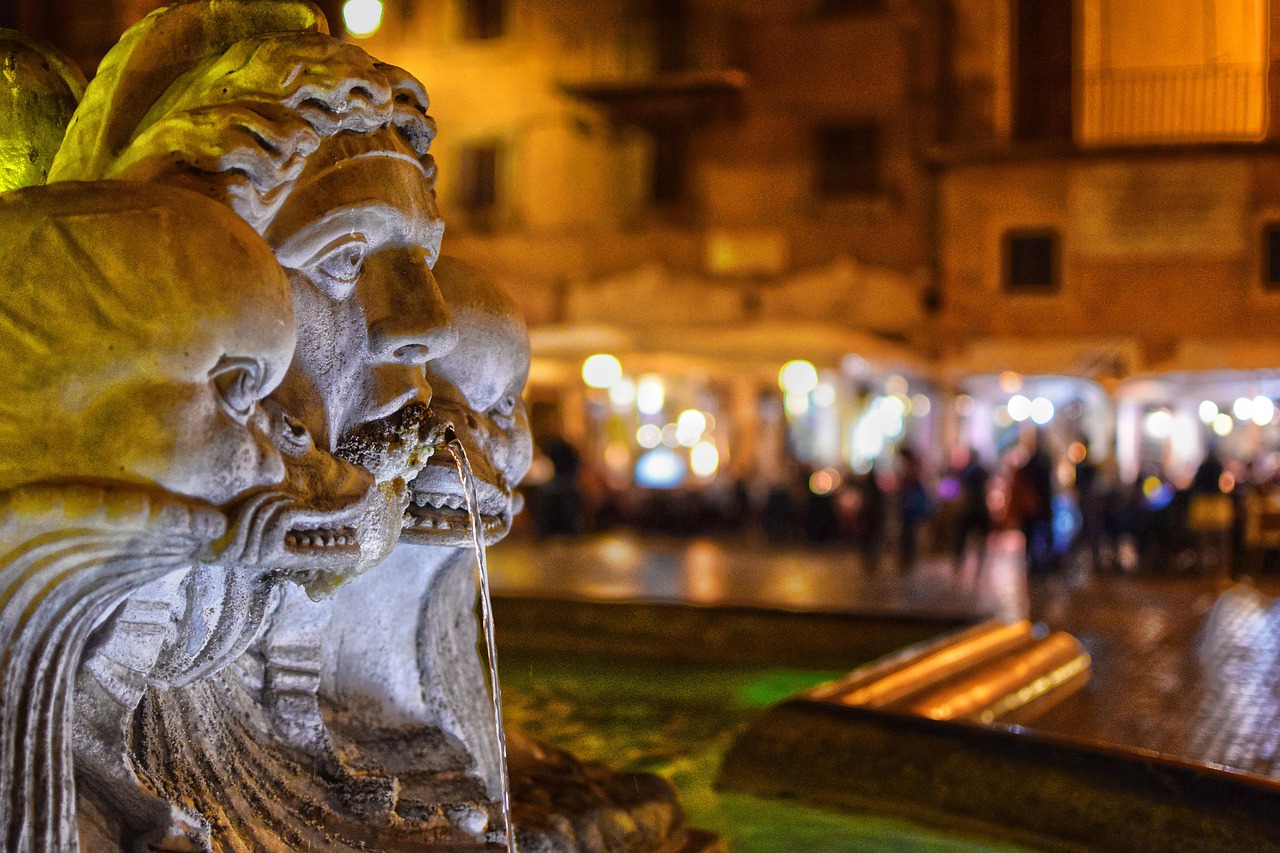
For those seeking lesser-known curiosities, the Piermarini Fountain has a few hidden stories. It is said that during the city's celebrations, the fountain was often illuminated at night, creating a spectacular sight that mesmerized onlookers. Furthermore, the fountain’s sirens have inspired local artists and poets throughout generations, symbolizing the beauty and allure of Milan itself.
The best time to visit the Piermarini Fountain is during the spring and early fall when the weather is mild, and the crowds are manageable. Early mornings or late afternoons are particularly enchanting, as the golden light casts a warm glow on the pink granite and marble, enhancing its beauty. For visitors, it’s essential to take a moment to sit on the nearby benches, absorb the lively atmosphere, and perhaps enjoy a gelato from a nearby vendor.
In conclusion, the Piermarini Fountain is not just a water feature; it is a vibrant piece of Milan's history and culture. Whether you're an architecture enthusiast, a foodie, or simply looking to soak in the local atmosphere, this hidden gem is worth a visit.
To make the most of your Italian adventure, consider using the Secret World app for a personalized itinerary that will help you explore the best of Milano.


