



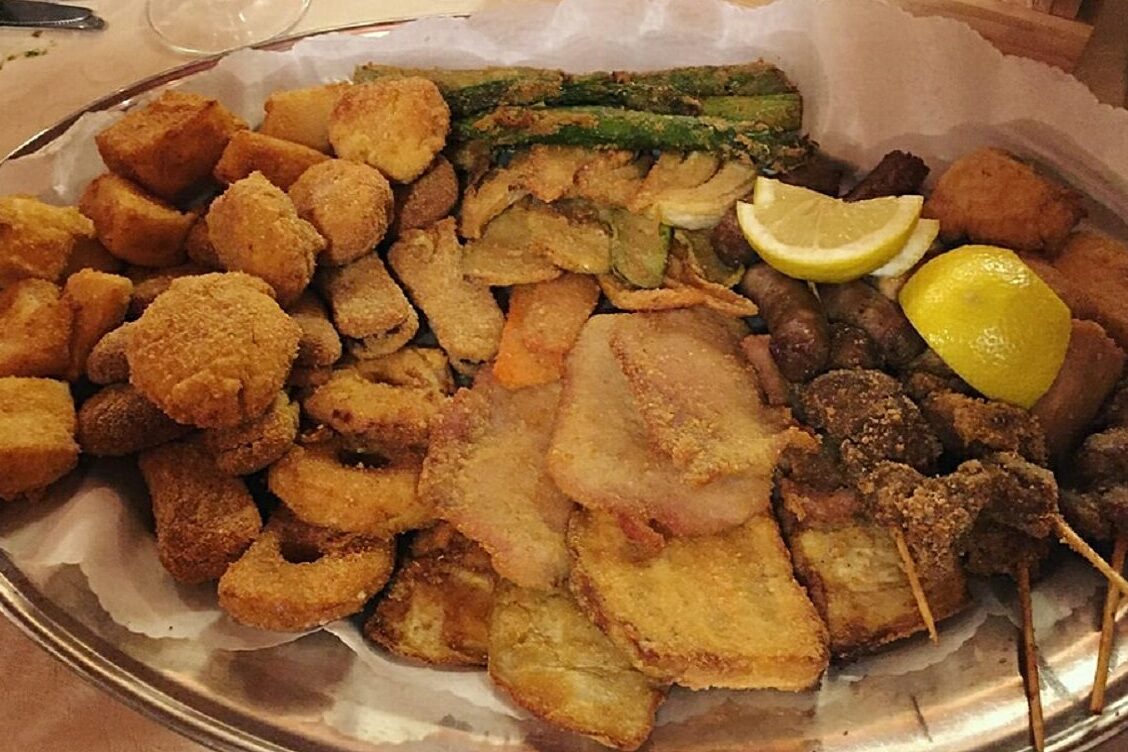
In the heart of Piedmont, Italy, a culinary gem beckons food lovers and history enthusiasts alike: Fricassà mëscià, a dish steeped in tradition and rich flavors. This renowned mixed fried food showcases the essence of Piedmontese cuisine, where no part of the animal goes to waste, a practice rooted deeply in the region's agricultural past. As you explore this beloved dish, you'll uncover the layers of history that define it, the artistic culture surrounding its preparation, and the local customs that celebrate it.
History and Origins The origins of Fricassà mëscià are as rich as its flavors. Dating back to a time when families raised livestock and slaughtered animals at home, this dish was born out of necessity. The practice of utilizing every part of the animal reflects a time-honored tradition in Piedmont, which has a longstanding agricultural heritage. Historically, the dish was common among the peasant class, who would fry various offal, including liver, lungs, and brains. It represents sustainability and resourcefulness, echoing the values of the region, where food was often a communal affair, shared among family and friends.
Art and Architecture Beyond its culinary fame, Piedmont is known for its stunning architecture and distinctive art. The region is dotted with Baroque churches and elegant palaces, each telling a story of its own. Cities like Turin, the capital of Piedmont, feature iconic structures such as the Mole Antonelliana, originally conceived as a synagogue and now home to the National Museum of Cinema. The artistic significance of Piedmont is also reflected in its celebrated art scene, showcasing the works of masters like Giorgio de Chirico and Carlo Carrà. As you indulge in Fricassà mëscià, you may notice the artistic flair in the presentation of the dish, a testament to the region's appreciation for both food and art.
Local Culture and Traditions Food in Piedmont extends beyond the plate; it’s a vital part of the local culture and traditions. The Sagra del Fritto Misto, or Fried Food Festival, is one such celebration that pays homage to Fricassà mëscià. Held annually, this festival invites locals and visitors to indulge in various fried delicacies, with Fricassà taking center stage. During this time, traditional music fills the air, and locals don their finest attire, celebrating their heritage through dance and culinary delights. The importance of sharing food is a cornerstone of Piedmontese culture, symbolizing community and connection.
Gastronomy Piedmont is a treasure trove of culinary delights, and Fricassà mëscià is just the beginning. Pair this dish with a glass of local Barolo wine, known as the “King of Wines,” or savor the earthy flavors of Barbaresco. Rounding out your gastronomic experience, don't miss out on other regional specialties such as Tajarin, a fresh egg pasta, and Bagna Cauda, a warm dip made from garlic, anchovies, and olive oil. Each bite tells a story of the land, the people, and their enduring traditions, making Piedmontese cuisine a compelling reason to visit.
Lesser-known Curiosities For those venturing off the beaten path, Fricassà mëscià has some hidden surprises. While many know it for its traditional components, the dish also reflects the changing times, evolving from a home-cooked staple to a gourmet offering in high-end restaurants. Additionally, the inclusion of sweet semolina and chocolate semolina in the recipe may come as a surprise, hinting at the region's penchant for balancing savory and sweet flavors. Another intriguing fact is that Fricassà is often served during significant celebrations, symbolizing prosperity and abundance, thus intertwining it deeply within the local culture.
Practical Visitor Information The best time to visit Piedmont for a taste of Fricassà mëscià is during the fall months, specifically in September and October, when local festivals abound and seasonal ingredients are at their peak. When exploring the region, take time to visit local markets, where you can find fresh produce and artisan products that complement your culinary journey. Be sure to ask locals for their favorite restaurants to enjoy an authentic Fricassà experience. Lastly, consider joining a cooking class to learn the art of making this dish yourself, deepening your connection to Piedmontese culture.
As you immerse yourself in the rich tapestry of Piedmont, remember to savor every moment and flavor, capturing the essence of this remarkable region. For a personalized itinerary to make the most of your visit, consider using the Secret World app to guide your adventure.
