



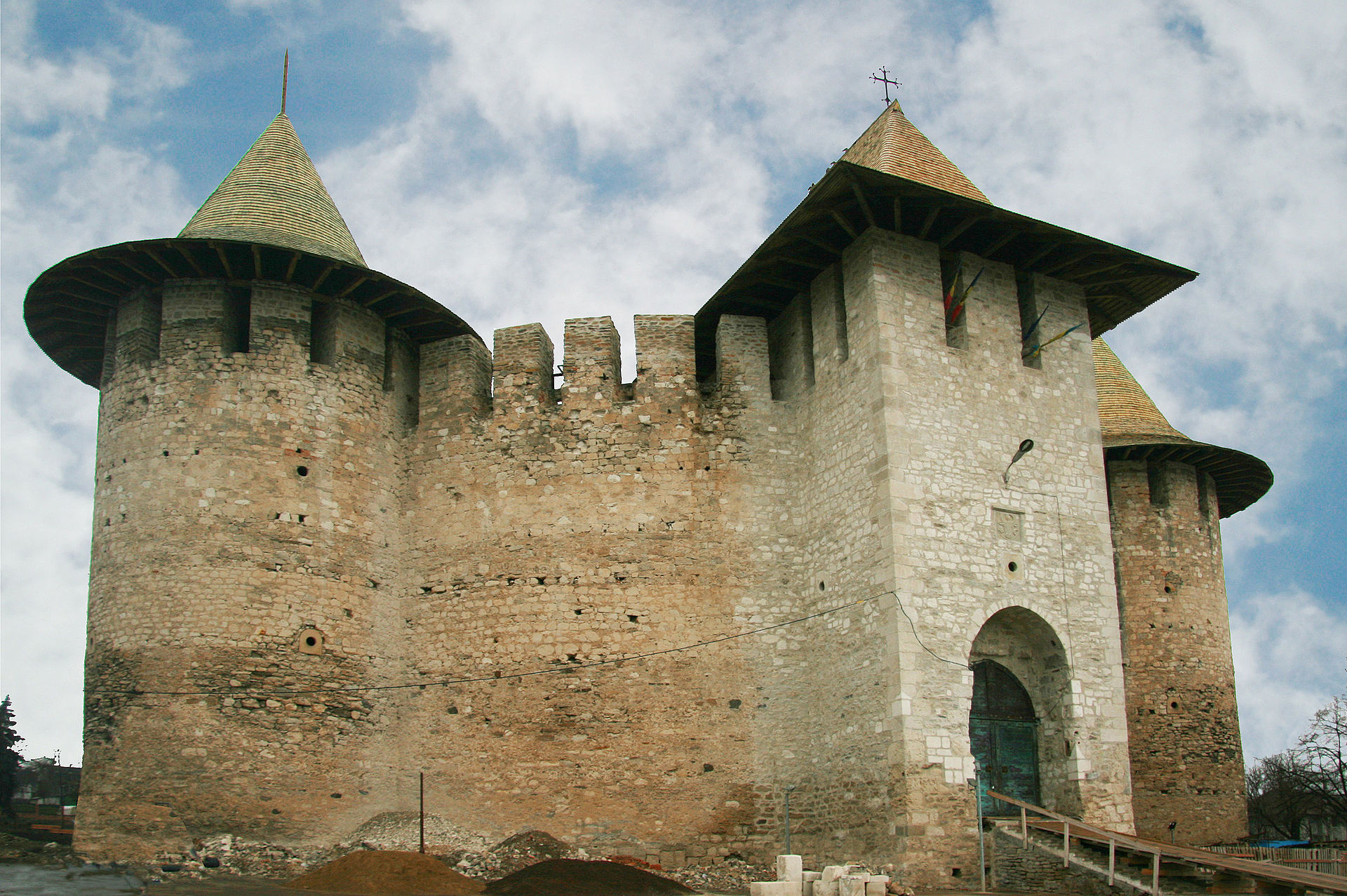
Nestled on the banks of the Dnister River, the historic Soroca Fort stands as a testament to Moldova's rich and tumultuous past. This striking fortification not only guards the stunning landscapes of northern Moldavia but also whispers tales of valor and resilience that have shaped the region's identity over the centuries.
### History and Origins
The origins of Soroca Fort date back to 1499, when it was commissioned by the formidable Stephen the Great, a key figure in Moldovan history known for his military prowess and efforts to consolidate the state. Initially constructed as a wooden fortification, it served as a critical defensive structure against invading forces, including the Ottomans.

In the years that followed, the fort underwent significant changes, particularly under the reign of Petru Rareș, Stephen's son. Rareș, who ruled from 1545 to 1546, recognized the need for a more robust defense and ordered the fort's reconstruction in stone. This transformation not only fortified Soroca's defenses but also marked the fort as an architectural symbol of the era. Throughout the centuries, the fort has witnessed numerous historical events, from battles to the rise and fall of empires, each leaving an indelible mark on its walls.
### Art and Architecture
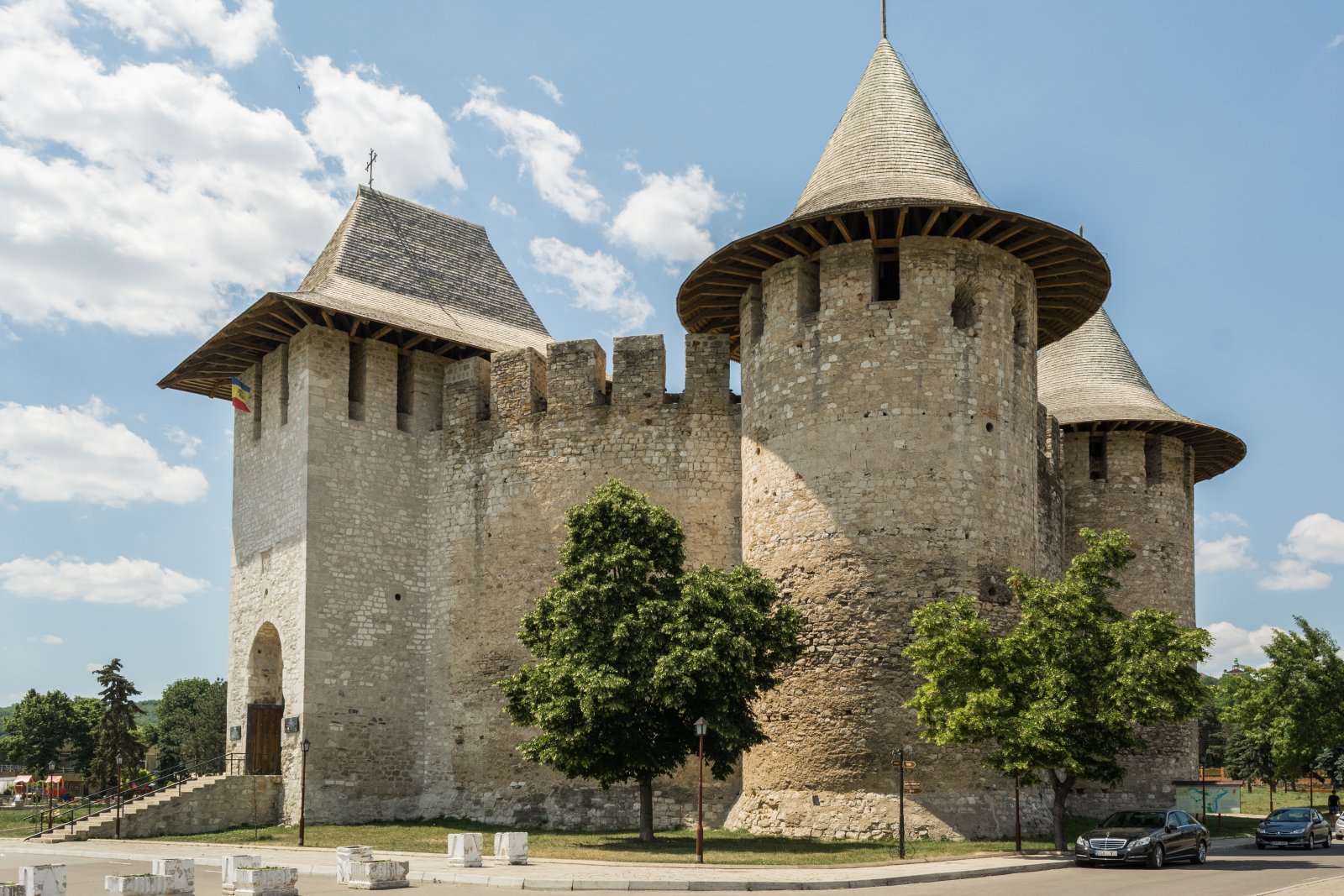
Soroca Fort is a striking example of medieval military architecture, blending functional design with aesthetic appeal. Its impressive structure features a polygonal shape, characterized by seven towers, each standing tall and proud against the skyline. The fort’s thick stone walls were built to withstand both attack and the test of time, showcasing intricate craftsmanship from the 16th century.
Inside, visitors can admire remnants of the fort's past, including the main gate, which features a beautifully carved archway. The fort's strategic location offers breathtaking views over the Dnister River, making it not only a military stronghold but also a picturesque site for artists and photographers alike. The fort's artistic significance is further enhanced by the local legends that speak of its role as a shelter for those seeking refuge during times of war.
### Local Culture and Traditions
The town of Soroca is steeped in vibrant local traditions that reflect the diverse cultural tapestry of Moldova. The annual Soroca Fair, held every August, celebrates local crafts, music, and gastronomy, drawing visitors from across the country. Here, one can witness traditional music performances and dance, showcasing the region's folklore.
Moldovan hospitality is legendary, and visitors are often welcomed with open arms. Local customs emphasize community and family, with gatherings centered around food and celebration. The Mărțișor Festival in March is another cultural highlight, where locals exchange red and white woven strings as a symbol of spring and renewal.
### Gastronomy
A visit to Soroca is incomplete without indulging in the local cuisine, which reflects the agricultural richness of the region. Traditional dishes are hearty and flavorful, often featuring ingredients such as corn, potatoes, and seasonal vegetables. One must try the mămăligă, a cornmeal porridge served with cheese and sour cream, which is a staple in Moldovan households.
For a taste of the local spirit, sample țuică, a strong plum brandy often enjoyed during celebrations. This drink is not merely a beverage but a symbol of Moldovan culture, often served alongside toasts that honor friendship and community.
### Lesser-Known Curiosities
While most visitors are drawn to the fort's historical significance, some lesser-known curiosities await discovery. For instance, many are unaware that Soroca is also home to the "Stone of the Fortress", a large boulder said to have been used in the construction of the fort's walls. Local lore claims that it has mystical properties, believed to bring good luck and protection.
Additionally, the fort has inspired numerous artists and writers, making it a subject of local folklore. Stories of hidden treasures believed to be buried within the fort’s walls circulate among the townsfolk, adding an air of mystery that captivates the imagination of visitors.
### Practical Visitor Information
The best time to visit Soroca Fort is during the spring and early autumn months when the weather is mild and the surrounding landscapes are lush. Plan your visit on weekends to experience the local markets and cultural events.
When exploring the fort, don’t miss the chance to climb to the top of the towers for panoramic views of the river and surrounding countryside. Wear comfortable shoes, as the terrain can be uneven, and bring a camera to capture the stunning vistas.
For those looking to dive deeper into the local culture, engaging with local guides can enhance your experience, providing insights into the history and significance of the fort that you may not discover on your own.
To truly immerse yourself in the beauty and culture of Soroca, consider using the Secret World app to plan a personalized itinerary that allows you to experience all that this remarkable place has to offer.
