
← Back

Mondau Lagoon and Manguaba Lagoon

Mundaú Lagoon, State of Alagoas, Brasile ★★★★☆ 369 views
James Borne
Mundaú Lagoon
🏆 AI Trip Planner 2026

Get the free app

Discover the best of Mundaú Lagoon with Secret World — the AI trip planner with 1M+ destinations. Get personalized itineraries, hidden gems and local tips. Free on iOS & Android.

🧠 AI Itineraries 🎒 Trip Toolkit 🎮 KnowWhere Game 🎧 Audio Guides 📹 Videos
Scan to download iOS / Android
Scan for AppGallery Huawei users

About Mondau Lagoon and Manguaba Lagoon

Mondau Lagoon and Manguaba Lagoon - Mundaú Lagoon | Secret World Trip Planner

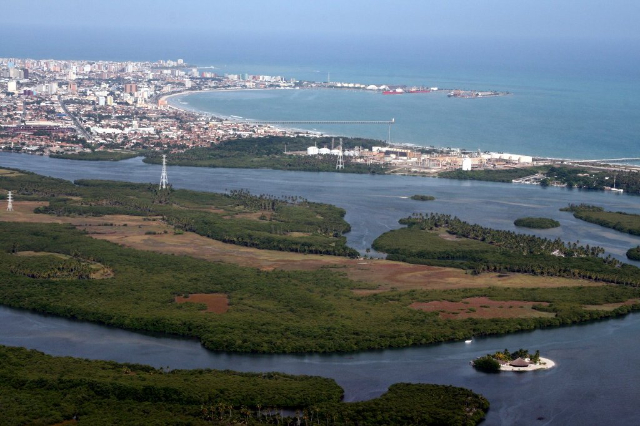
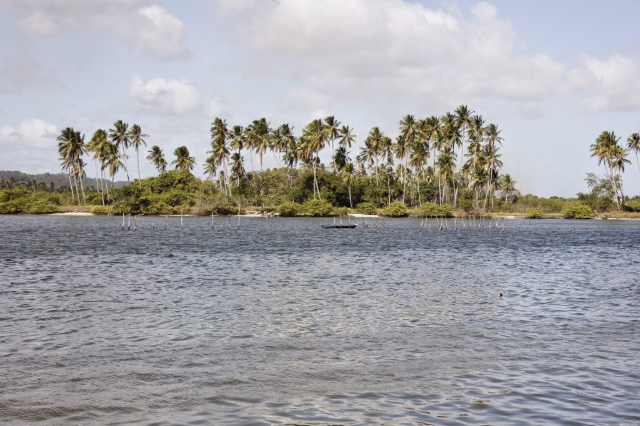
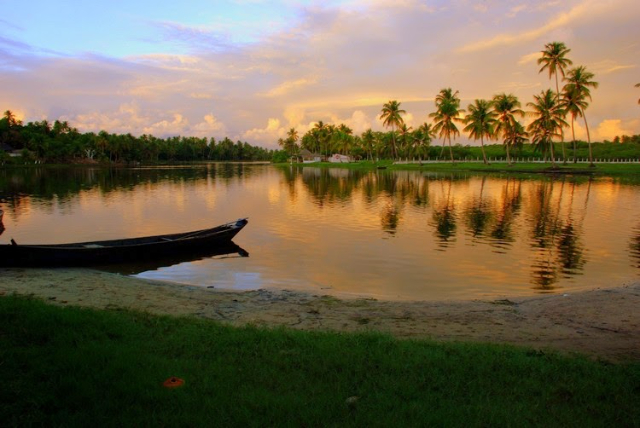
The lagoons of Maceió, particularly Lagoa do Mondau and Lagoa Manguaba, are two places of great beauty and historical and cultural importance. Lagoa do Mondau is one of the largest ecosystems in Alagoas, with an area of 600 square kilometers, and is considered one of the largest lagoons in the world. Within it is a vast mangrove swamp that is an important habitat for several marine species, including mollusks, fish and crustaceans. There are also nine islands in the lagoon inhabited by fishermen and lace makers, which are set against a backdrop of mangrove and restinga vegetation.The region has been important historically, socially and culturally for the state of Alagoas and is one of Maceió's main tourist attractions. The 23-kilometer coastal area between Santa Luzia do Norte, Maceió, and Coqueiro Seco is connected to the ocean through a network of channels that gives rise to small islands and secluded beaches.Lagoa Manguaba, on the other hand, covers 42 square kilometers and is formed by the waters of the Paraíba do Meio estuary and the Sumaúma River. This lagoon was the birthplace of the first capital of the state of Alagoas, Vila Madalena, which today is the municipality of Marechal Deodoro. The coastal area of the lagoon offers many opportunities for excursions and tourist activities, including the traditional Nine Islands tour, which allows visitors to visit the lagoon and other parts of the region. Another must-see attraction is the meeting of the waters between the lagoon and the sea in the village of Massagueira.In both lagoons you can enjoy typical local dishes, prepared with the products of fresh fisheries, such as sururu (a clam-like shellfish), peixe frito (fried fish) and camarão na moranga (shrimp in pumpkin). The lagoons are also a great place to enjoy water sports such as kayaking, canoeing and windsurfing.
Mondau Lagoon and Manguaba Lagoon - Mundaú Lagoon | Secret World Trip Planner

Buy Unique Travel Experiences

Powered by Viator

See more on Viator.com

Frequently Asked Questions

Lagoa do Mondau covers 600 square kilometers and is one of the largest lagoons in the world, making it one of the largest ecosystems in Alagoas. The lagoon features a vast mangrove swamp that serves as a critical habitat for marine species like mollusks, fish, and crustaceans, and contains nine inhabited islands where local fishermen and lace makers live surrounded by mangrove and restinga vegetation.
Lagoa Manguaba was the birthplace of Vila Madalena, the first capital of the state of Alagoas, which is now known as the municipality of Marechal Deodoro. This 42-square-kilometer lagoon is formed by the waters of the Paraíba do Meio estuary and the Sumaúma River, making it historically important to the region's development and cultural heritage.
The traditional Nine Islands tour is a must-see attraction that allows visitors to explore the lagoons and surrounding areas, while the meeting of the waters between the lagoon and sea in Massagueira village is another unmissable sight. Visitors can also enjoy water sports such as kayaking, canoeing, and windsurfing across both lagoons.
You can enjoy authentic local cuisine prepared with fresh catches from the lagoons, including sururu (a clam-like shellfish), peixe frito (fried fish), and camarão na moranga (shrimp cooked in pumpkin). These traditional dishes are widely available at restaurants and vendors throughout the lagoon regions.
A 23-kilometer coastal area between Santa Luzia do Norte, Maceió, and Coqueiro Seco connects these lagoons to the ocean through a network of channels that creates small islands and secluded beaches. This unique geographical feature makes the region one of Maceió's main tourist attractions and offers diverse opportunities for exploration and water activities.
