



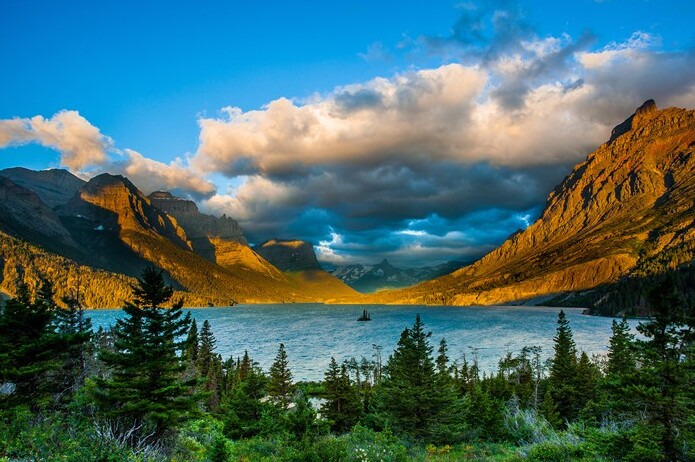
In Montana, where the rugged beauty of the American West unfolds in vast landscapes, time feels like it has slowed down. This captivating state, characterized by wide-open spaces and majestic mountain ranges, invites visitors to immerse themselves in an unspoiled natural world that has inspired countless tales of adventure and resilience.
### History and Origins
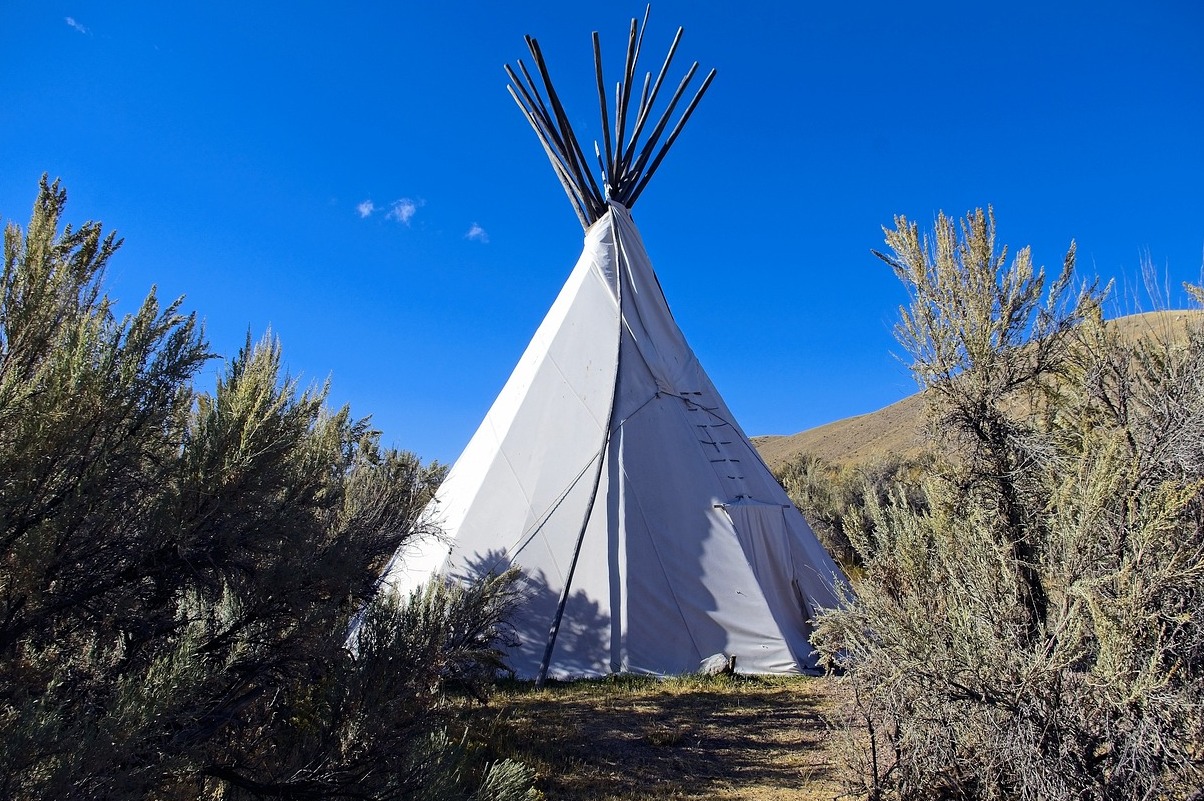
Montana's history is rich and layered, dating back thousands of years to when Indigenous tribes such as the Crow, Flathead, and Cheyenne inhabited the region. These tribes thrived on the land, developing deep spiritual connections to its resources. In 1805, explorers Meriwether Lewis and William Clark journeyed through the area, documenting its vast potential and establishing it as a significant region for future settlers.
The 1860s brought a rush of settlers, drawn by the promise of gold and fertile lands. The establishment of the Montana Territory in 1864 marked a turning point, as it became a vital part of the westward expansion. Key events such as the Battle of the Little Bighorn in 1876 and the Nez Perce War in 1877 highlighted the turbulent interactions between settlers and Indigenous peoples, shaping the complex narrative of resistance and adaptation that defines Montana’s history.
### Art and Architecture
Architecturally, Montana is a vibrant tapestry of styles that reflect its diverse cultural influences. From the Victorian buildings of Virginia City, a former gold rush town, to the intricate Romanesque Revival structures in Helena, the state showcases a unique blend of historical influences. Notable sites include the State Capitol in Helena, which boasts a stunning dome and beautiful murals depicting Montana's heritage.
The artistic scene in Montana is equally captivating. The C.M. Russell Museum in Great Falls celebrates the works of Charles Marion Russell, a renowned painter and sculptor known for his depictions of the American West. His art captures the spirit of the frontier, showcasing the rugged landscapes and the lives of the Indigenous peoples and cowboys that inhabited them.
### Local Culture and Traditions
Montana's culture is a vibrant mix of Indigenous traditions and cowboy heritage, creating a unique identity that locals proudly celebrate. Annual events such as the Montana Folk Festival in Butte bring together musicians, artisans, and food vendors from across the state, showcasing the rich tapestry of local traditions through live performances and workshops.
Local customs include rodeo events, which are not just competitions but community gatherings that reflect Montana’s agricultural roots. The Montana State Fair, held in Great Falls every summer, features livestock shows, carnival rides, and a celebration of local agriculture, drawing families and visitors alike to experience the heart of rural Montana.
### Gastronomy
Montana's gastronomy is deeply tied to its landscapes and traditions. The state is known for its beef, particularly grass-fed varieties, which are celebrated at local steakhouses and ranches. Bison burgers are another local delicacy, offering a taste of the wild American plains. For something sweet, huckleberries, a beloved berry native to the region, are used in pies, jams, and syrups, embodying the essence of Montana's natural bounty.
Local breweries and distilleries have also flourished, with craft beers and spirits that reflect the flavors of the region. A visit to Montana Distilleries in Missoula offers a chance to sample locally made spirits using traditional methods and native ingredients.
### Lesser-Known Curiosities
Beyond its stunning landscapes and vibrant culture, Montana holds many hidden gems. The Old Car Festival in Malmstrom Air Force Base showcases vintage automobiles and their stories, appealing to both car enthusiasts and history buffs alike. Additionally, the Garnet Ghost Town, one of Montana's best-preserved ghost towns, offers a glimpse into the past, where visitors can explore the remnants of a once-thriving mining community.
Another curiosity is the World's Largest Snowman, located in the town of Boulder, which stands at an impressive 30 feet tall. This whimsical attraction is not only a testament to Montana's playful spirit but also a beloved local tradition.
### Practical Visitor Information
The best time to visit Montana is during the summer months (June to September), when the weather is warm and outdoor activities abound. However, for those who appreciate winter sports, the ski season from December to March reveals the state’s breathtaking snowy landscapes.
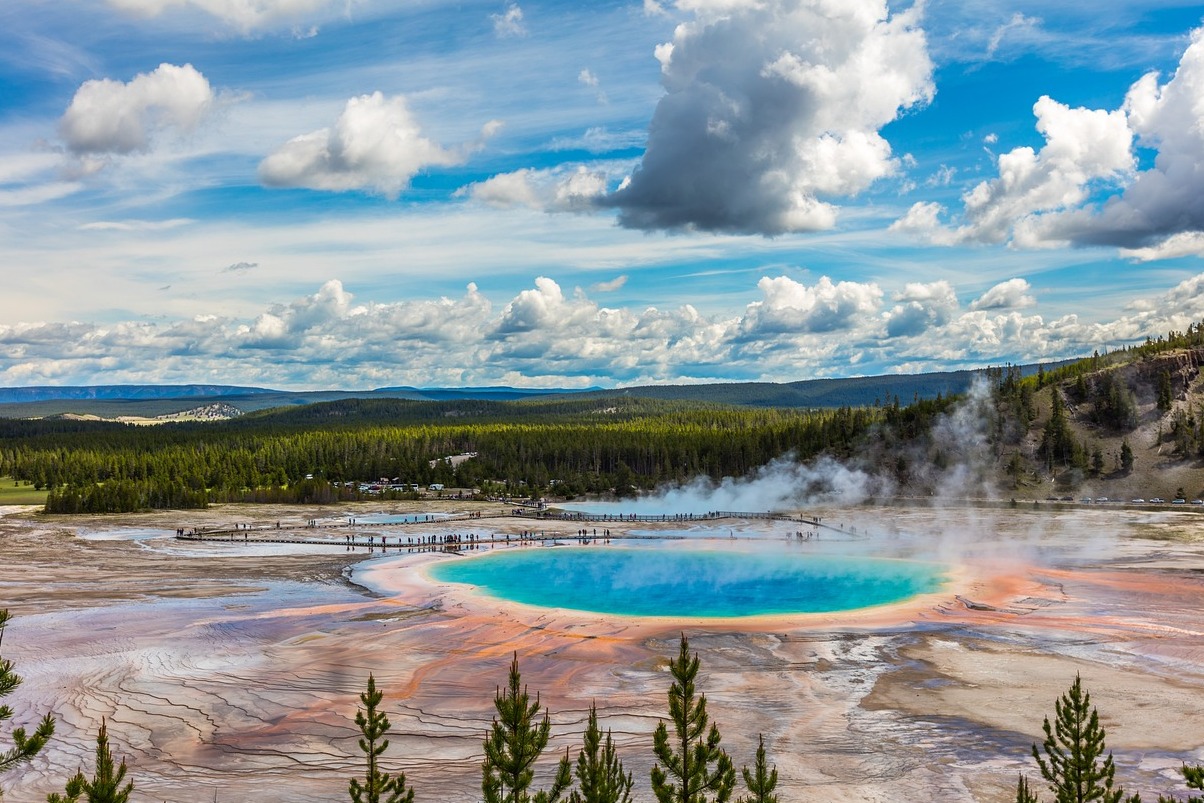
When planning a trip, consider exploring Glacier National Park for its stunning vistas and hiking trails, or venture to Yellowstone National Park, the first national park in the world. For a truly authentic experience, take the scenic Beartooth Highway, known for its breathtaking views and access to outdoor recreation.
To enhance your journey in this captivating state, consider using the Secret World app to plan a personalized AI itinerary.
