



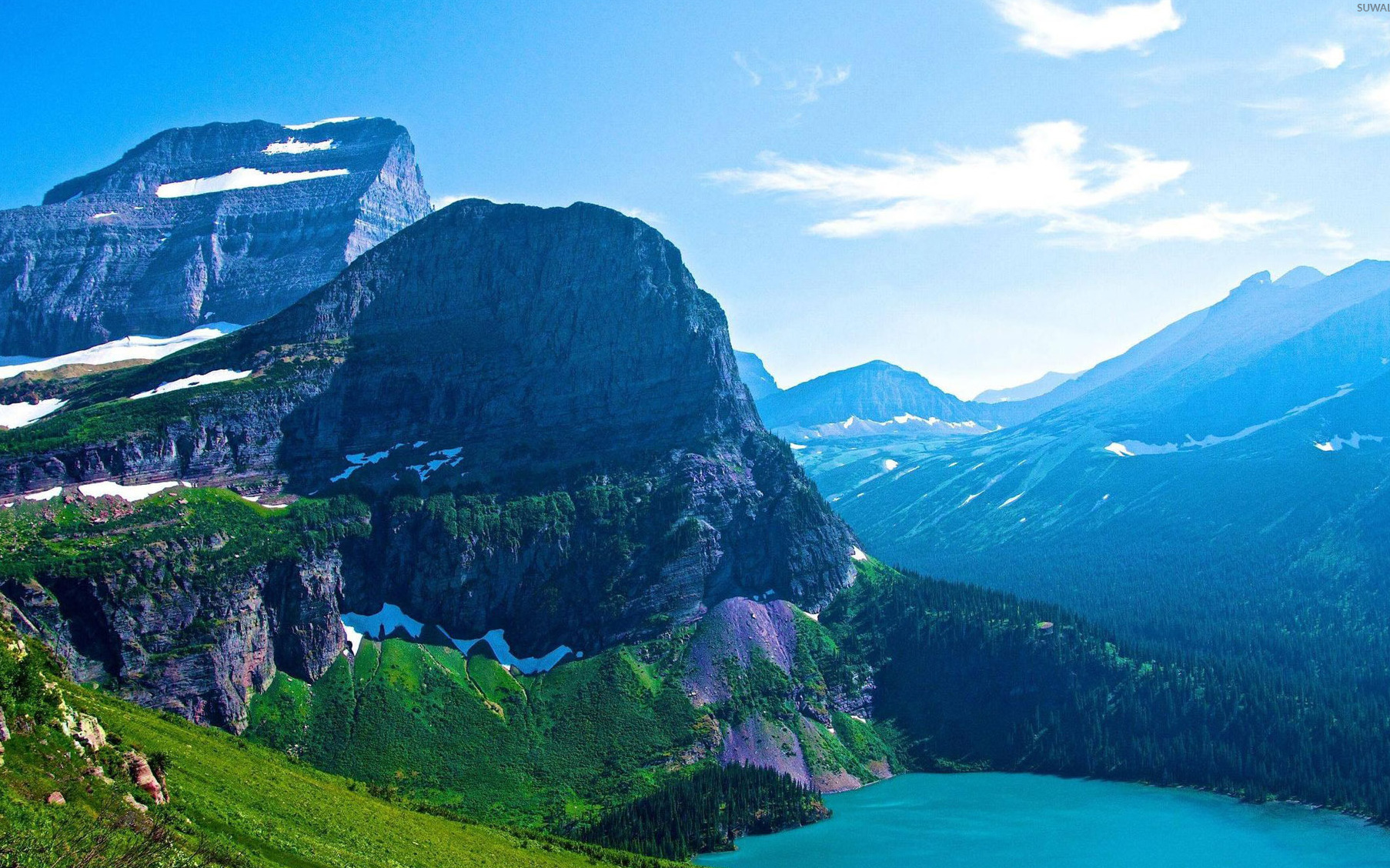
Montana’s Glacier National Park, often referred to as the “Crown of the Continent,” is a breathtaking testament to Nature’s artistry, showcasing an untouched ecosystem that has thrived for millennia. Nestled in the rugged terrain of northwestern Montana, this park spans over a million acres and is a sanctuary for an array of wildlife, including grizzly bears and mountain goats. But beyond its scenic vistas, Glacier National Park is steeped in rich history and cultural significance.
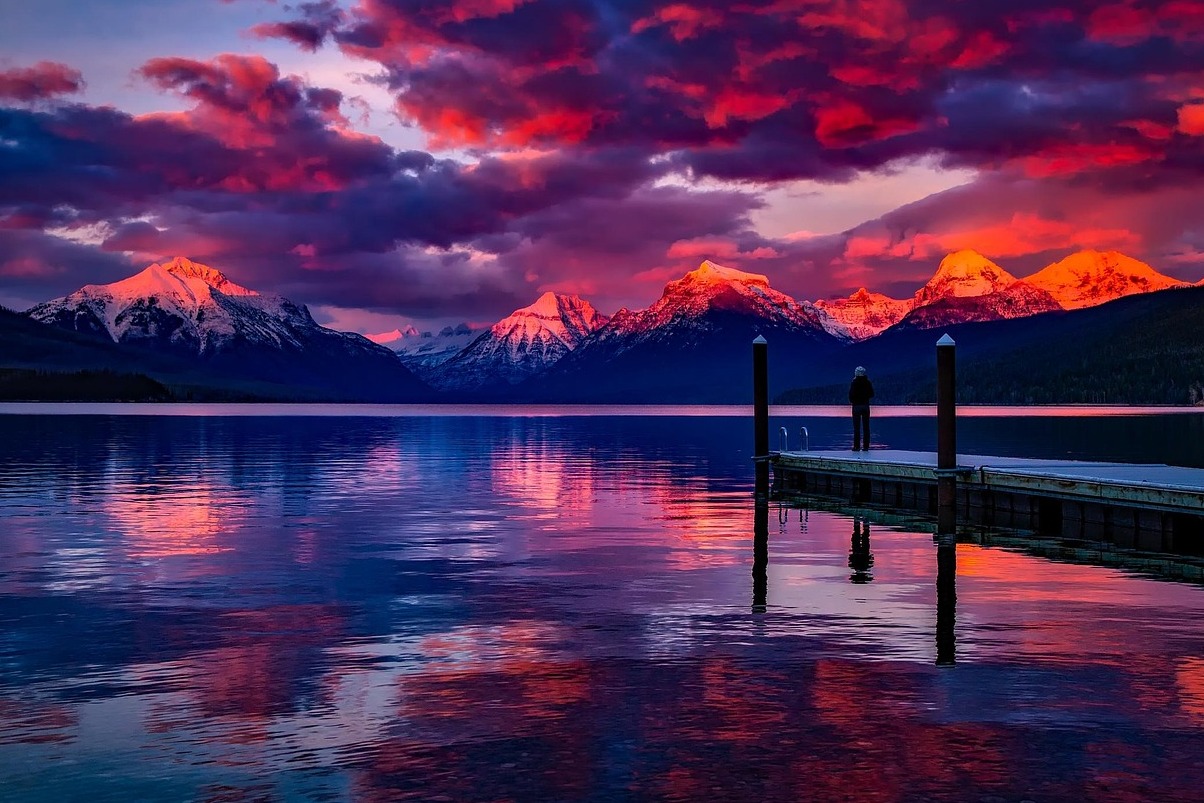
The story of Glacier begins long before it became a national park. Indigenous tribes, including the Flathead, Blackfeet, and Kootenai, have called this region home for thousands of years. They regarded the land as sacred, living in harmony with its resources. The park was officially established on May 11, 1910, making it the first national park in the United States that was created to preserve a portion of the Northern Rocky Mountains. Key figures like George Bird Grinnell, an early conservationist, played a crucial role in the park's establishment, advocating for its protection against industrial exploitation.
As you traverse the park, the architecture of the early 20th century can be seen in various historic lodges and visitor centers. The Many Glacier Hotel, built in 1915, embodies the Swiss chalet style, blending seamlessly into its alpine surroundings. Its grand stone façade and wooden beams reflect the craftsmanship of the era, while providing visitors with stunning views of the surrounding peaks. The Granite Park Chalet, another architectural gem, was constructed by the Great Northern Railway in 1914, serving as a base for hikers exploring the rugged backcountry.
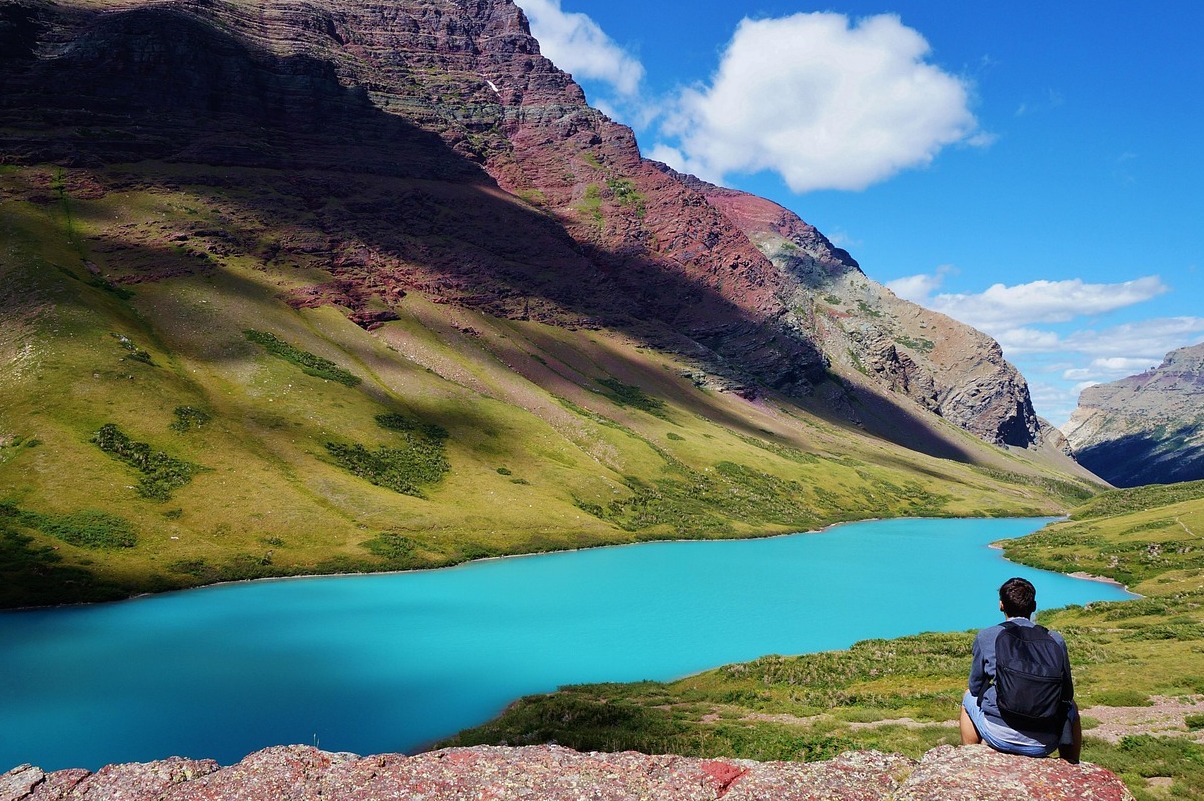
Art in Glacier National Park is not confined to galleries; it is found in the very landscapes that inspire artists. The park has attracted painters, photographers, and writers for generations, drawn by the vibrant colors of wildflowers and the dramatic sunsets over the mountains. The Glacier National Park Conservancy supports various art programs that celebrate this natural beauty, allowing visitors to connect with the land through creative expression.
Local culture is deeply intertwined with the natural environment, and the traditions of the Indigenous peoples continue to influence the area. Events like the Blackfeet Nation Powwow celebrate native heritage, showcasing traditional dances, crafts, and storytelling. Additionally, the Glacier Music Festival, held annually, brings together musicians and visitors for a celebration of arts in a stunning outdoor setting. These festivals not only highlight local customs but also foster a sense of community among residents and visitors alike.
Gastronomy in Glacier National Park is as diverse as its landscapes. Visitors can indulge in local specialties such as bison burgers, which pay homage to the region's wildlife, and huckleberry pie, a sweet treat made from the tart berries that grow abundantly in the area. Many dining establishments in and around the park focus on farm-to-table ethics, featuring locally sourced ingredients. The Glacier Park Lodge and its historic dining room offer dishes that reflect the culinary traditions of Montana, with breathtaking views of the surrounding mountains.
Among the park’s many wonders, there are lesser-known curiosities that add to its charm. For instance, the Hidden Lake trail, while popular, often surprises hikers with a chance encounter with mountain goats that are more curious than shy. Additionally, the Iceberg Lake trail showcases stunning turquoise waters dotted with floating icebergs in summer. For those willing to venture off the beaten path, the Kintla Lake area offers solitude away from the crowds, where one can truly appreciate the serenity of the wilderness.
The best time to visit Glacier National Park is from late June to mid-September, when the majority of the park's roads and trails are accessible. However, for those seeking a quieter experience, the shoulder seasons of late spring and early fall can be enchanting, with fewer tourists and a chance to witness the changing colors of foliage. Be sure to prepare for rapidly changing weather conditions, as temperatures can vary greatly even within a single day.
As you plan your visit, consider taking advantage of the park’s ranger-led programs, which offer insight into its ecology and history. Whether you’re hiking along the iconic Going-to-the-Sun Road or simply soaking in the views at Logan Pass, there’s a wealth of experiences waiting to be discovered.
Montana’s Glacier National Park is not just a destination; it’s an invitation to explore and appreciate the intersection of nature, history, and culture. For a truly personalized journey through this stunning landscape, consider using the Secret World app to craft your ideal itinerary.
