



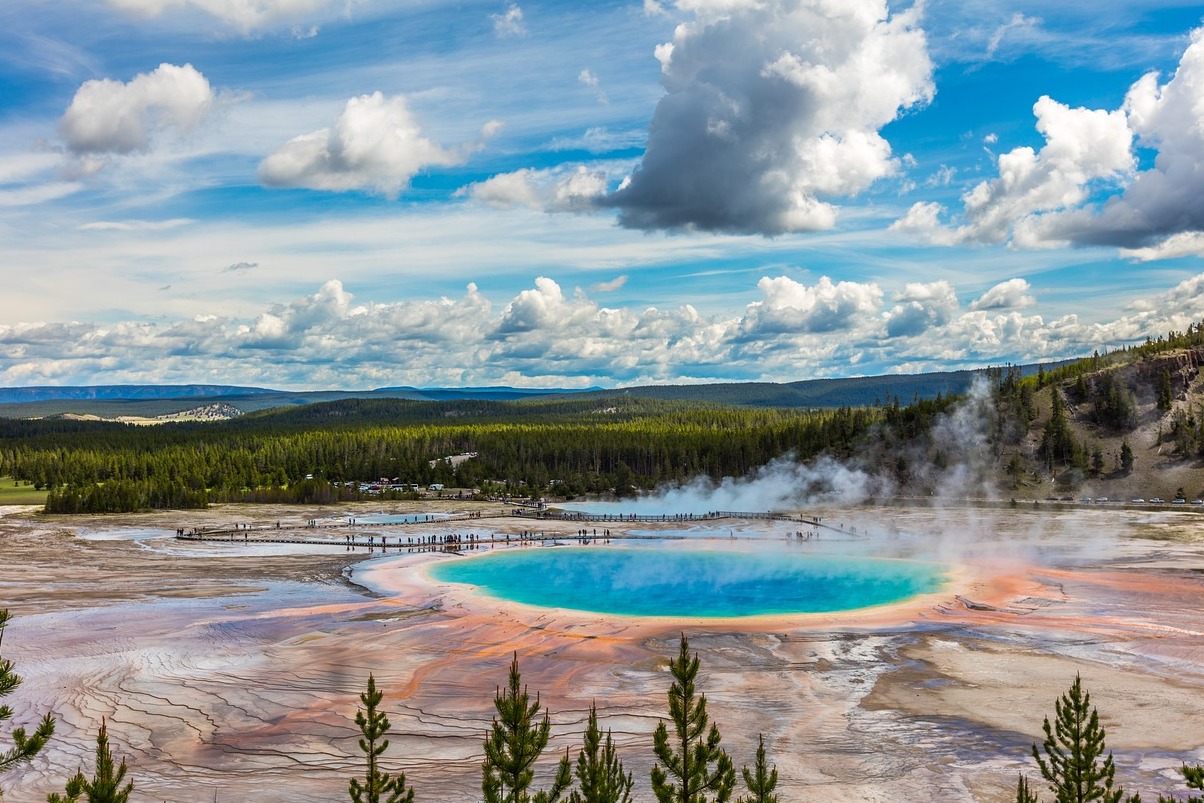
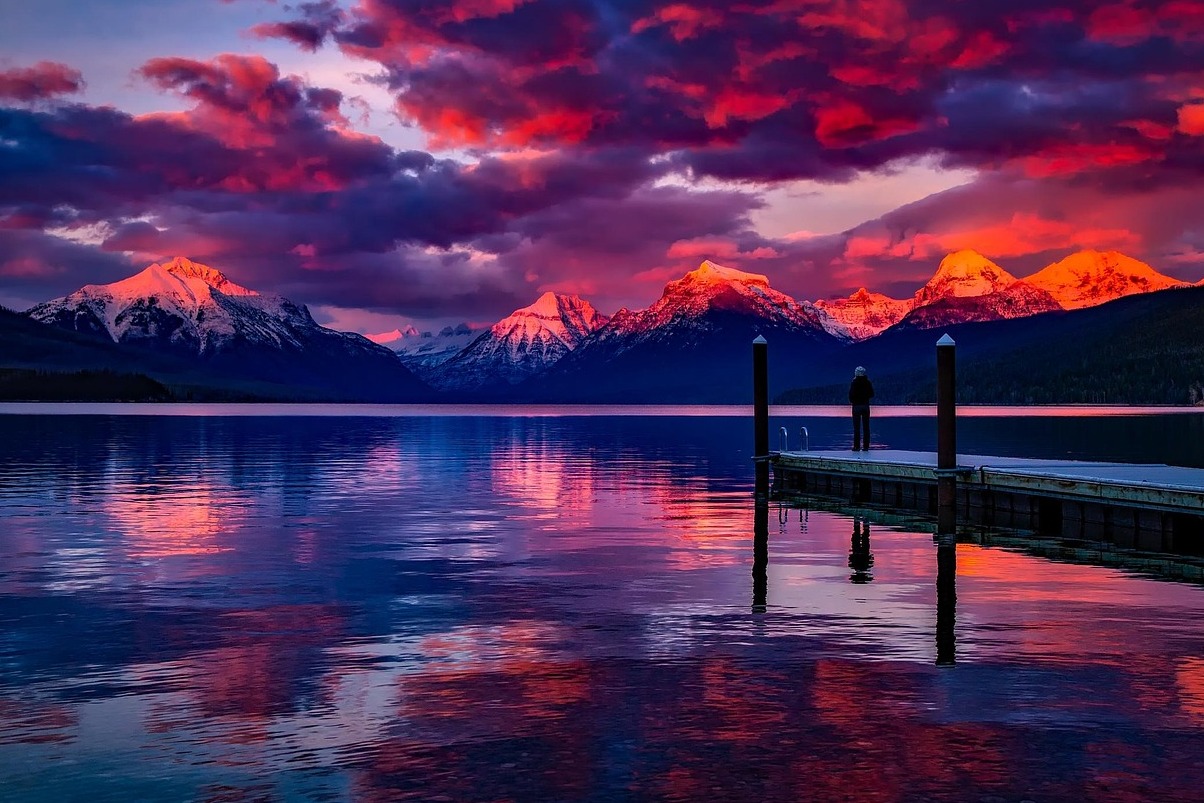
Nestled in the heart of the Rocky Mountains, Montana is a land where nature reigns supreme, and its name—derived from the Spanish word montaña, meaning mountain—beautifully encapsulates its majestic landscapes. With vast expanses of rugged terrain, sparkling lakes, and pristine wilderness, Montana is one of the premier hiking destinations in the United States. It serves as the gateway to both Glacier National Park and a portion of Yellowstone National Park, where breathtaking vistas and diverse wildlife await.
### History and Origins
Montana's rich history stretches back thousands of years to the Native American tribes who called this land home. Tribes such as the Crow, Cheyenne, and Flathead lived in harmony with nature, cultivating a deep spiritual connection to the land. The first European explorers arrived in the early 1800s, with Lewis and Clark traversing the region in 1805. Their expedition opened the door for fur trappers and settlers, and by the mid-19th century, gold was discovered in the region, leading to a rush of prospectors and the establishment of towns.
Montana officially became a territory in 1864, and in 1889 it was admitted to the Union as the 41st state. The state's history is punctuated by key events, including the Battle of Little Bighorn in 1876, where General George Custer faced off against the combined forces of the Lakota Sioux and Cheyenne tribes. This battle remains a pivotal moment in both Indigenous and American history, highlighting the struggles and conflicts inherent to the expansion of the United States.
### Art and Architecture
Montana's architectural style reflects its diverse cultural influences, blending rustic charm with Native American motifs. The Montana State Capitol, built in 1902, showcases a neoclassical design, while the Old Faithful Inn in Yellowstone is a stunning example of rustic architecture that harmonizes with its natural surroundings.
Art in Montana is profoundly influenced by its landscape and history, with many local artists drawing inspiration from the state’s stunning vistas and rich Indigenous culture. The C.M. Russell Museum in Great Falls celebrates the life and work of Charles Marion Russell, a renowned cowboy artist whose paintings depict the spirit of the American West. This museum stands as a testament to the artistic legacy that thrives in Montana, inviting visitors to connect with its cultural roots.
### Local Culture and Traditions
Montana's culture is a tapestry woven from its Indigenous heritage and the influences of European settlers. The state is known for its cowboy culture, where rodeos are cherished events that showcase traditional skills and foster community spirit. The Montana State Fair in Great Falls, held annually in late July, is another highlight, celebrating agriculture, arts, and local crafts through competitions, performances, and exhibits.
Celebrations like Powwow gatherings honor Native American traditions, showcasing vibrant dances, music, and art. These events not only offer insight into the rich cultural heritage of the Indigenous peoples but also serve as a reminder of the importance of preserving these traditions.
### Gastronomy
When it comes to food, Montana has its share of mouthwatering delights, deeply rooted in its agricultural heritage. The state's culinary scene features Montana beef, known for its quality and flavor, often spotlighted in local steakhouses. A true Montana experience wouldn’t be complete without trying the bison burger, a lean and flavorful alternative to traditional beef.
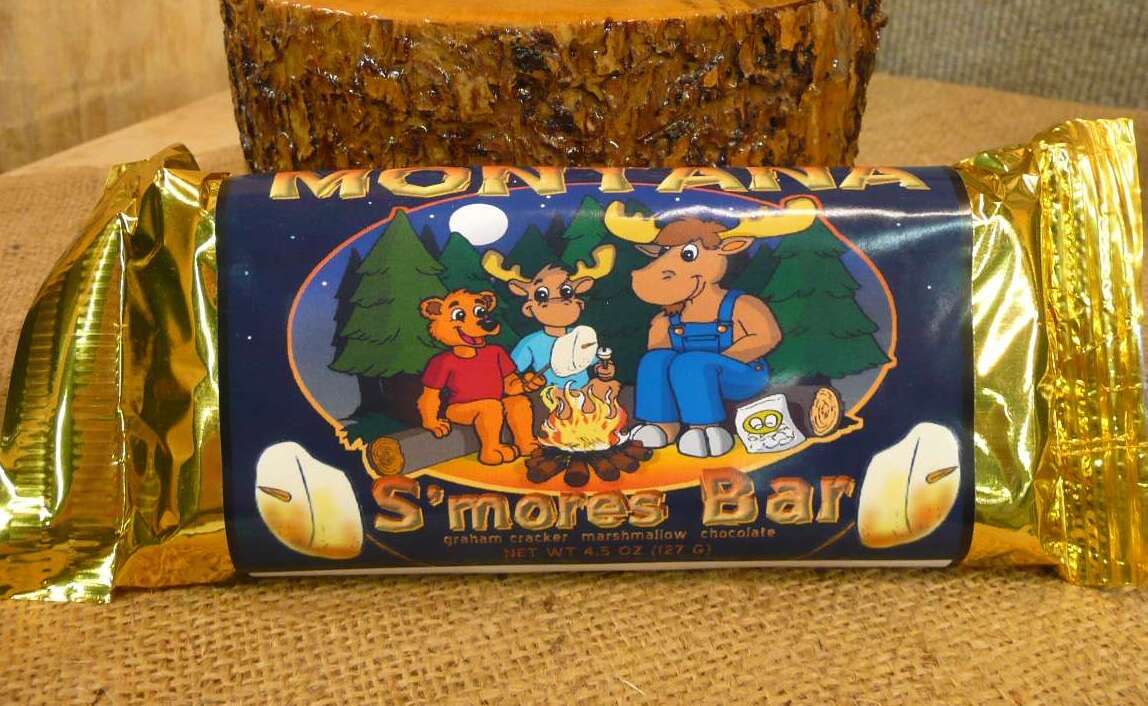
Of course, no visit to Montana is complete without indulging in a Montana S'mores Bar. This local treat combines a graham cracker crust with a gooey marshmallow center, all enveloped in rich milk chocolate. It’s a nostalgic dessert that evokes memories of campfires under the vast Montana sky, where the stars seem to twinkle with an extra sparkle. Pairing this sweet delight with a cup of locally brewed coffee adds to the experience, highlighting the state’s thriving coffee culture.
### Lesser-Known Curiosities
While Montana boasts stunning national parks and scenic drives, it also harbors lesser-known treasures. For instance, the Berkeley Pit in Butte is a former copper mine turned toxic lake, providing an eerie glimpse into the state's mining history and environmental challenges. The Museum of the Rockies in Bozeman features one of the largest collections of dinosaur fossils in the United States, making it a must-visit for paleontology enthusiasts.
Montana is also home to the largest snowflake ever recorded, measuring 15 inches in diameter, which fell in Fort Keogh in 1887. Such unique facts add to the rich tapestry of stories that define this remarkable state.
### Practical Visitor Information
For those looking to explore Montana, the best time to visit is during the summer months, from late June to early September, when the weather is warm and the parks are accessible. However, autumn offers a stunning display of fall foliage, making it another beautiful time to experience the state's natural beauty.
When planning your trip, consider exploring lesser-known trails in Glacier National Park to avoid crowds and immerse yourself in the wilderness. Be sure to pack layers, as weather can change rapidly in the mountains.
If you’re aiming to capture the essence of Montana, don’t forget to spend a night under the stars—whether in a cozy cabin or a tent, the night sky in Big Sky Country is an experience you’ll never forget.
As you plan your journey through this breathtaking state, consider using the Secret World app to craft a personalized itinerary that brings your Montana dreams to life.
