
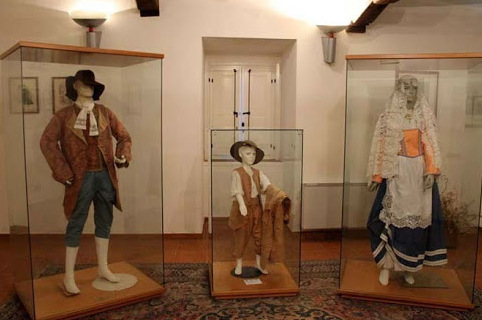

Nestled in the charming hilltop town of Montappone, Italy, the Museum of Ancient Costume offers a fascinating glimpse into the sartorial past of the Abruzzo region. Here, history is woven into the very fabric of the garments on display, each piece telling a story of the people who once wore them and the customs they cherished. This museum is not just a repository of old clothes but a vibrant tapestry of cultural heritage.
The origins of the Museum of Ancient Costume are deeply rooted in the rich history of the region. Montappone itself, located in the scenic province of Fermo, has been a hub of textile production for centuries. The museum was born out of the desire to preserve the heritage of local families, particularly those from Vasto, a nearby town known for its historical significance. Thanks to the initiative of the Lions Club Host, the museum found its home in the prestigious Palazzo d'Avalos, a building steeped in history and culture.
The architectural style of Palazzo d'Avalos complements the historical exhibits housed within. The palazzo, with its elegant Renaissance facade and intricate interior details, serves as an ideal backdrop for the museum's collection. Visitors are often entranced by the juxtaposition of stately architecture and the intimate glimpse into daily life provided by the clothing and accessories on display. Notable among the exhibits are prints and lithographs depicting Abruzzi costumes, offering a visual feast of the region's artistic heritage.
Montappone, while modest in size, is vibrant with local culture and traditions that enrich the experience of visiting the museum. The town is renowned for its hat-making industry, with a history dating back to the Middle Ages. Every year, the Sagra del Cappello, or Hat Festival, celebrates this tradition with fervor. The festival is a lively event, featuring parades, workshops, and an opportunity to see artisans at work, crafting hats that are as much a part of the local identity as the costumes in the museum.
No trip to Montappone would be complete without indulging in the local gastronomy. The region's cuisine is a delightful reflection of its rustic charm and agricultural bounty. Visitors should try the Vincisgrassi, a rich lasagna-like dish typical of the Marche region, or sample the local cheese, such as Formaggio di Fossa, which is aged in underground pits for a unique flavor. Pairing these delicacies with a glass of Verdicchio, a crisp white wine from the nearby vineyards, completes the culinary experience.
Beyond the main exhibits, the Museum of Ancient Costume holds many lesser-known curiosities that intrigue the curious traveler. Among these are the stories encapsulated in the personal accessories, like intricately embroidered handkerchiefs and delicate lace shawls, each piece whispering secrets of the past. These items often reveal more about the status and personality of their original owners than the more formal garments.
For those planning a visit, the best time to explore Montappone is during the spring or early autumn, when the weather is mild and the countryside is at its most picturesque. The museum is open year-round, but checking local schedules for special events, such as temporary exhibitions or cultural festivals, can enhance your visit. To fully appreciate the collection, take your time to explore each section, and don't hesitate to ask the knowledgeable staff for insights into the history behind the displays.
In summary, the Museum of Ancient Costume in Montappone is more than just a collection of garments; it is a doorway into the past, offering a tangible connection to the regional history and culture. Whether you are a history enthusiast, a lover of fashion, or simply a curious traveler, this museum promises a memorable journey through time, underscored by the enduring spirit of the people who once lived and thrived in this enchanting part of Italy.


