
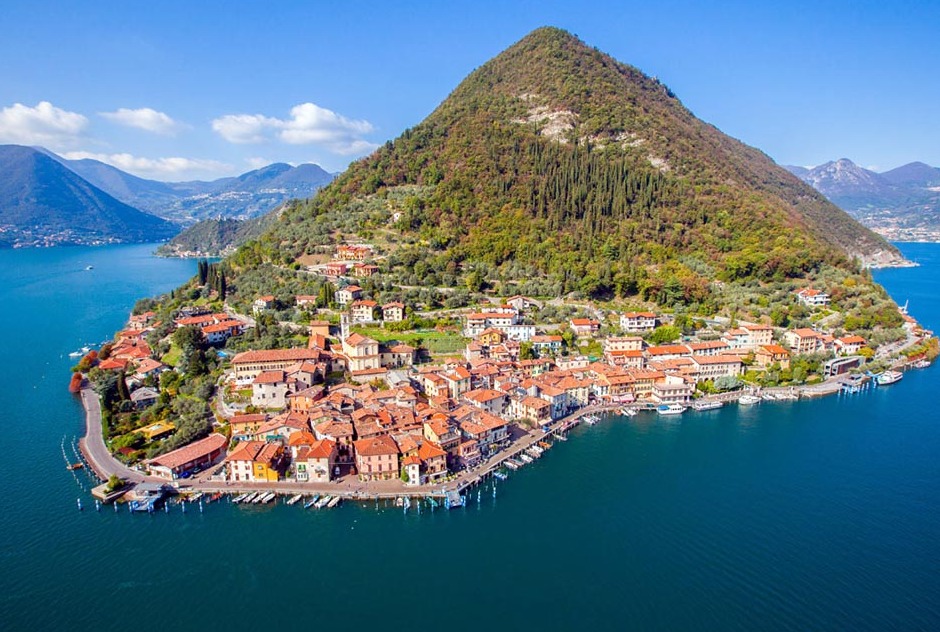

Nestled in the heart of Lake Iseo, Monte Isola rises majestically as the highest island in the European lakes, boasting breathtaking views and a tranquil atmosphere. This green mountain, revered for its natural beauty, is recognized by Italian legislation as an "area of particular natural and environmental importance."
The island's history is rich and layered, stretching back to ancient times. Evidence of human presence dates to the Bronze Age, with archaeological finds pointing to early settlements that thrived on fishing and agriculture. By the Middle Ages, Monte Isola had established itself as a vital commercial hub, with records of the area dating back to the 9th century. The island became a refuge during conflicts, including the wars of the Italian Wars of Independence in the 19th century. Throughout its history, it has retained a significant cultural identity, with stories of fishermen and farmers intertwining to create a unique community.
Architecturally, Monte Isola is a treasure trove. Its villages, such as Peschiera, Sensole, and Siviano, feature traditional stone houses adorned with colorful shutters. One of the most notable structures is the Sanctuary of the Madonna della Ceriola, perched atop the island, offering panoramic views of the lake and surrounding mountains. Built in the 16th century, this sanctuary is not only a pilgrimage site but also a breathtaking example of local religious architecture, blending seamlessly with the natural landscape. The craftsmanship and artistry can be seen in the intricate frescoes that adorn the interior, depicting local legends and religious narratives.
Local culture on Monte Isola is deeply rooted in its traditions and customs. The island hosts several festivals throughout the year, celebrating everything from fishing to local harvests. One of the most vibrant events is the Festa di San Giovanni, held in June, where locals and visitors gather to honor the patron saint with parades, music, and culinary delights. The island’s fishing traditions are also celebrated, with annual fish dinners showcasing the best of local culinary arts. The community's spirit is reflected in these gatherings, creating a sense of unity that is palpable to visitors.
When it comes to gastronomy, Monte Isola offers a unique taste of the region. The island is renowned for its olives and the production of high-quality olive oil, thanks to its favorable climate and soil. Local dishes often feature fresh fish—caught from the lake—served with polenta, a staple in Lombardy. Another local specialty is tortino di pane, a savory bread pudding made with local ingredients that reflects the island's agricultural heritage. Pair these dishes with a glass of Franciacorta, a sparkling wine produced in the nearby Franciacorta wine region, for a truly authentic experience.
For those seeking hidden gems, Monte Isola has many lesser-known curiosities. The island is home to an extraordinary fishing technique known as "fishing with nets," which has been employed by the locals for centuries. Additionally, the two smaller islands, San Paolo and Loreto, are often overlooked by tourists but are worth a visit for their serene beauty and historical significance. San Paolo, with its charming monastery, invites quiet reflection, while Loreto is a peaceful escape with stunning natural vistas.
The best time to visit Monte Isola is during the late spring and early autumn months when the weather is mild, and the island is in full bloom. Summer can be bustling with tourists, but the charm of the island is never lost, especially if you wander off the beaten path. To fully experience Monte Isola, consider exploring by bicycle or on foot; the absence of cars creates a serene atmosphere that invites leisurely exploration. Don’t miss a chance to take a boat ride around the island for stunning views of the landscape and a unique perspective on the local architecture.
As you plan your journey to this enchanting island, consider downloading the Secret World app for a personalized AI itinerary that will help you uncover the best of Monte Isola.


