
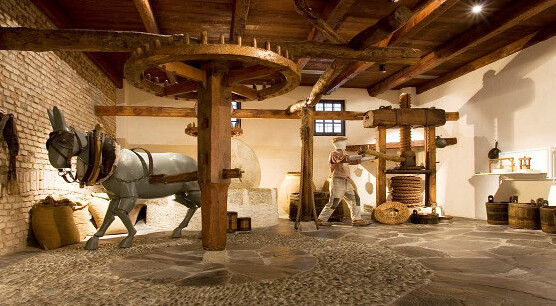

Tucked away in the charming town of Rondissone, the MOO Olive and Oil Museum is a hidden gem that invites visitors to explore the rich history and culture surrounding one of Italy’s most cherished commodities: olive oil. This museum, established in continuity with the Lungarotti Foundation's Wine Museum, is housed within a beautifully restored medieval oil mill that whispers tales of centuries past.
History and Origins
The roots of olive cultivation in Italy can be traced back to ancient times, with evidence suggesting that the practice began around 2000 B.C. in the Mediterranean region. The MOO Olive and Oil Museum stands on the site of a former oil mill, renovated to reflect its historical significance. The museum’s establishment is part of a broader effort by the Lungarotti Foundation to preserve and promote Italy's agricultural heritage. It opened its doors to the public in 2004, bringing to light the cultural and economic importance of olive oil in both historical and contemporary contexts.
Within the walls of the museum, visitors can uncover historical artifacts that illustrate the evolution of olive oil production techniques over the centuries. From ancient Roman presses to modern extraction methods, the museum’s collection showcases the enduring relationship between the land, its people, and the olive tree.
Art and Architecture
The architectural style of the MOO Olive and Oil Museum is a harmonious blend of medieval and contemporary design, reflecting the museum's dedication to preserving its historical roots while embracing modernity. The building itself is a masterpiece of restoration, with well-preserved stone walls and wooden beams that evoke the charm of its medieval origins.
Inside, the museum features a variety of artistic displays, including ethnographic, artistic, and archaeological collections. Notable artworks include intricate olive oil lamps and beautifully crafted ceramic vessels that have been used throughout history for oil storage and rituals. Each piece tells a story, enriching the visitor’s understanding of the cultural significance of olive oil across different epochs.
Local Culture and Traditions
In Rondissone, the traditions surrounding olive oil are deeply woven into the fabric of local life. The region celebrates its agricultural heritage through various festivals, particularly during the harvest season. The Sagra dell'Olio (Olive Oil Festival) is a highlight, typically held in November, where locals and visitors alike gather to partake in tastings, workshops, and cultural performances that celebrate the art of olive oil production.
The museum serves as a vital cultural hub, not only showcasing the history of olive oil but also hosting events that promote local customs and culinary practices. Visitors can experience traditional music and dance while enjoying local delicacies, creating a vibrant atmosphere that reflects the community’s pride in its heritage.
Gastronomy
No visit to the MOO Olive and Oil Museum would be complete without indulging in the region's culinary delights. Piedmontese cuisine is deeply influenced by the local production of olive oil, featuring dishes that highlight its rich flavors.
Expect to savor bagna cauda, a warm dip made from anchovies, garlic, and olive oil, perfect for sharing with friends and family. Pair it with crusty bread and seasonal vegetables for an authentic experience. Additionally, the region is known for its exquisite tagliatelle al tartufo (tagliatelle with truffles), where a drizzle of high-quality olive oil enhances the dish’s earthy flavors.
Lesser-known Curiosities
While the museum is a treasure trove of information, some lesser-known curiosities often go unnoticed. For instance, did you know that olive oil was once used as a currency in ancient times? It was so valuable that it was traded alongside gold and silver. Additionally, the museum houses a unique collection of oil lamps used in ancient Roman rituals, providing insight into the spiritual significance of olive oil in various cultures.
Another surprising fact is the museum's commitment to sustainability. It showcases modern practices in olive farming and oil production, emphasizing the importance of preserving the environment for future generations.
Practical Visitor Information
The MOO Olive and Oil Museum is best visited during the spring and autumn months when the weather is mild, and the olive trees are in their prime. To make the most of your visit, consider joining one of the guided tours that offer deeper insights into the museum's exhibits and the surrounding landscapes.
Take time to explore the museum shop, where you can purchase high-quality olive oils and local products to take home as souvenirs. Look out for the tasting sessions, which provide a delightful opportunity to sample different varieties of olive oil and learn about their unique flavors.
Visiting the MOO Olive and Oil Museum is an enriching experience that connects you to the heart of Italian culture and tradition. For an even more personalized journey through Rondissone, consider using the Secret World app to plan your itinerary.


