



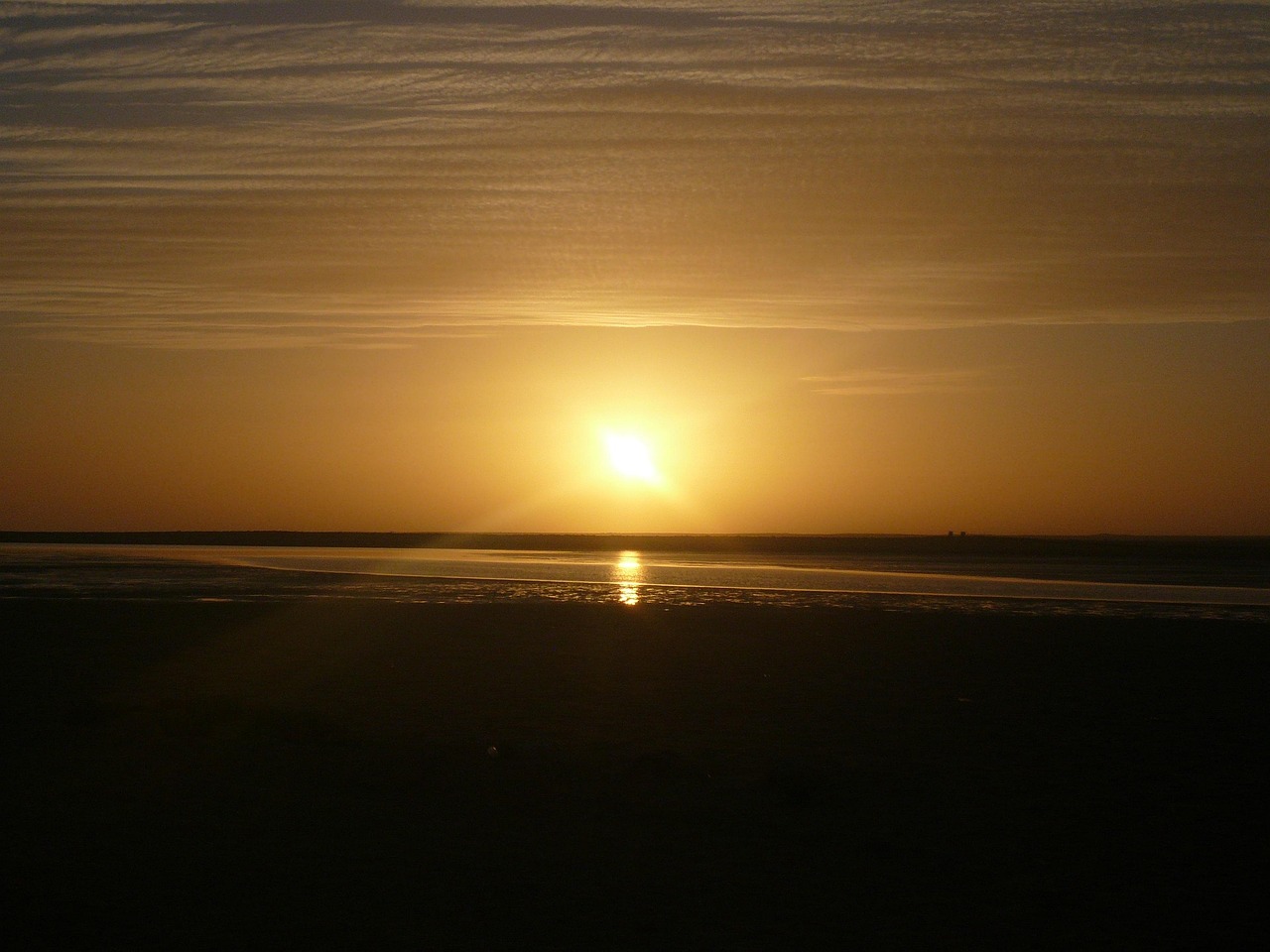
Nestled on the edge of the Sahara and kissed by the Atlantic Ocean, Dakhla is a mesmerizing blend of untamed beauty and tranquil allure. Here, the restive sands of the white dunes meet the peaceful waters of the blue lagoon, creating a harmonious landscape that captivates every visitor. This Moroccan gem, situated at the coordinates 23.7221111, -15.9347384, is a destination where nature's grandeur is matched by rich cultural and historical tapestries.
History and Origins
Dakhla's history is as layered as the sands that surround it. Originally part of the Sahrawi regions, the town was founded in 1884 by Spanish explorers during the colonial expansion into the Western Sahara. Known then as Villa Cisneros, it served as a strategic point for trade and military operations. The town's history is colored by its transition from Spanish rule to Moroccan governance in 1975 following the Madrid Accords. This complex past is palpable in the streets and structures, whispering stories of resilience and cultural convergence.

Art and Architecture
Dakhla's architecture is a testament to its colonial past and its Sahrawi heritage. The iconic Spanish mission church, built in the early 20th century, stands as a relic of its colonial period. The town's architecture blends European styles with traditional Sahrawi elements, seen in the simple yet elegant adobe structures that dot the landscape. Art in Dakhla often reflects the natural beauty of its surroundings, with local artists capturing the interplay of light and shadow across the dunes and lagoon. Artisans are known for their intricate desert-inspired motifs that adorn local crafts, from pottery to textiles.
Local Culture and Traditions
The cultural fabric of Dakhla is richly woven with Sahrawi customs and Moroccan influences. The music and dance of the Sahrawi people are integral to cultural celebrations, with the tbal drum and the tidinit, a traditional string instrument, bringing life to festivals. One significant event is the Dakhla Festival, held annually, showcasing the best of local music, dance, and sports like windsurfing and kitesurfing, which have become synonymous with this windy paradise. Traditional tea ceremonies are a cornerstone of hospitality, where mint tea is served in three rounds, each symbolizing life, love, and death.
Gastronomy
Dakhla's cuisine is a delightful fusion of Moroccan and Sahrawi flavors, often featuring fresh seafood due to its coastal location. A must-try is the camel tagine, a slow-cooked stew with spices that evoke the essence of the desert. Local markets brim with fresh oysters and lobster, harvested from the lagoon's pristine waters. Another delicacy is the Harira soup, a rich and hearty dish often enjoyed during Ramadan. To complement the meal, try Chebakia, a sweet pastry soaked in honey and sesame seeds, offering a sweet contrast to the savory dishes.
Lesser-known Curiosities
Beyond its well-trodden paths, Dakhla harbors secrets that intrigue the curious traveler. One such curiosity is the Dragon Island, a small, uninhabited island in the lagoon, perfect for a day of exploration and solitude. The White Dune, a natural phenomenon where a solitary dune rises from the lagoon, offers breathtaking views and a unique photo opportunity. While the lagoon is famous for its watersports, few know that it's also a haven for birdwatchers, with flamingos and other migratory birds painting the skies with their vibrant colors.
Practical Visitor Information
The best time to visit Dakhla is between October and April, when the weather is mild and the winds are ideal for watersports. Despite its remote location, Dakhla is accessible via flights from major Moroccan cities. Visitors should pack layers, as the desert climate can bring chilly nights. It's advisable to explore with a local guide, especially when venturing into the desert. Keep an eye out for the local handicrafts, particularly the woven rugs and silver jewelry, which make for perfect souvenirs.
Dakhla is not just a destination; it's an experience where nature's splendor and cultural richness converge. Whether you're drawn by the call of the dunes, the tranquility of the lagoon, or the allure of its history, Dakhla promises an unforgettable journey into the heart of the Sahara's coastal wonder.
