



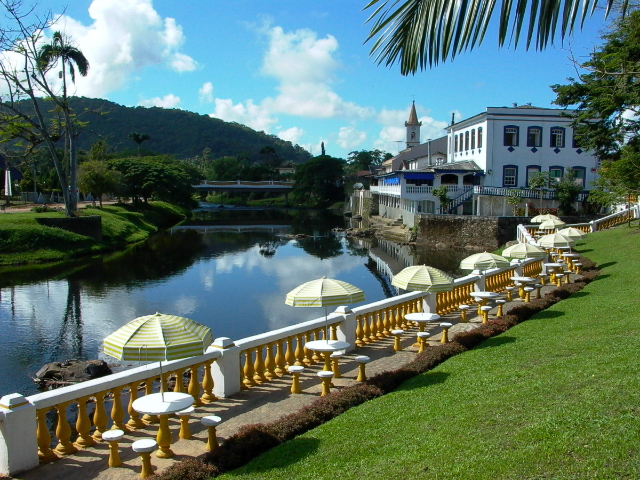
Nestled between the lush Serra do Mar mountains and the winding Nhundiaquara River, Morretes is a picturesque town in the state of Paraná, Brazil, that invites visitors to step back in time. This small yet vibrant city, renowned for its historical charm and culinary delights, offers a unique blend of cultural heritage and natural beauty that captivates every traveler who sets foot in its cobblestone streets.
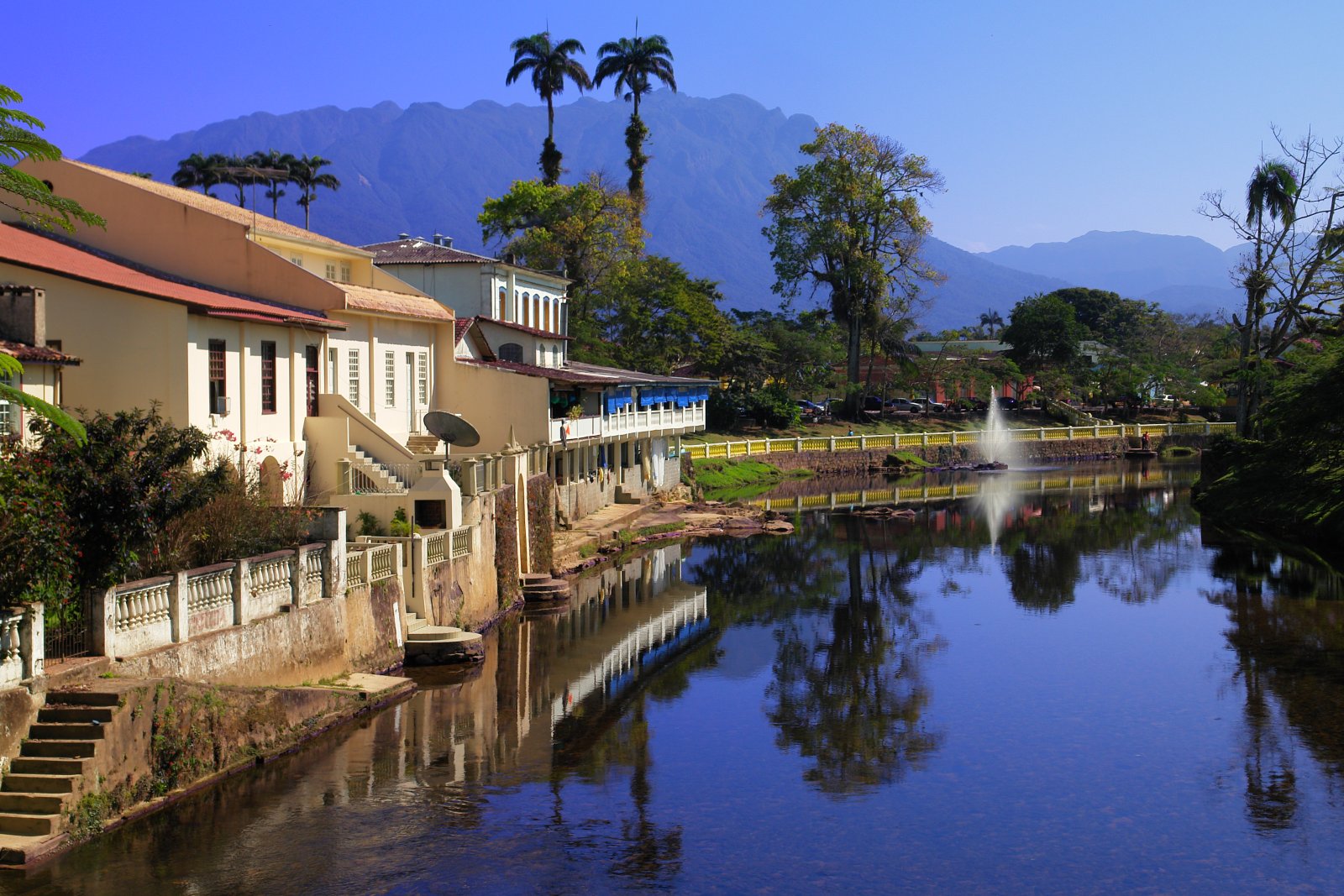
Morretes' history dates back to the early 18th century, when it was founded in 1733 by Portuguese settlers. The town quickly became a vital stop along the Caminho do Itupava, a colonial road that connected the coast to the state’s interior. This route was crucial for transporting goods, especially during the coffee boom in the 19th century. As Morretes grew, it flourished economically and culturally, leaving behind a legacy etched in its well-preserved colonial architecture. Key historical events include the arrival of the Paranaguá-Curitiba railway in the 19th century, which enhanced access and spurred development, cementing Morretes’ status as a bustling trade hub.
The architecture of Morretes is a testament to its rich past. Strolling through the town, visitors are treated to a visual feast of colonial-era buildings characterized by brightly painted facades and red-tile roofs. The Igreja de São Benedito, with its neoclassical style, stands as a beacon of the town’s religious and architectural history. Art lovers will appreciate the local galleries showcasing works by Paraná's artists, often inspired by the region's stunning landscapes. These pieces provide a glimpse into the artistic soul of Morretes, reflecting a deep connection to nature and history.

Cultural traditions in Morretes are vibrant and deeply rooted. The town hosts an array of festivals that celebrate its heritage. The annual Festa do Divino, infused with music, dance, and religious rituals, is a highlight, drawing visitors from across the state. The region's folklore is rich, with tales of indigenous legends intertwined with colonial history, often shared during local celebrations and gatherings. These events offer travelers a genuine taste of the local spirit and community life.
No visit to Morretes is complete without indulging in its culinary offerings, particularly the famous barreado. This traditional dish, a savory stew of beef slow-cooked for hours in clay pots with spices and served with bananas and farofa, is a staple of Paraná's gastronomy. Its origins are said to trace back to the indigenous peoples who inhabited the region, later adapted by Portuguese settlers. Dining on barreado in one of Morretes' charming riverside restaurants is not just a meal but an experience deeply connected to the town’s identity. Pair it with a refreshing glass of cachaça, a locally distilled sugarcane spirit, to truly savor the region's flavors.
Beyond the well-trodden paths, Morretes hides lesser-known curiosities that intrigue the discerning traveler. The town is home to the Nhundiaquara River, which aside from its scenic beauty, was historically significant as a transport route during colonial times. Visitors can explore the river by kayak or take a leisurely boat ride. Another hidden gem is the Marumbi State Park, accessible via the historic railway, offering hiking trails that lead to breathtaking vistas of the Atlantic Forest. These trails are a haven for biodiversity, providing an intimate look at Brazil’s unique ecosystems.
For those planning a visit to Morretes, the best time is during the cooler months from April to September, when the weather is pleasant and the town hosts several lively festivals. A train journey from Curitiba on the historic Serra Verde Express offers stunning views of waterfalls and lush forests, setting the stage for a memorable day trip. While in town, take time to explore the local artisan shops selling handcrafted souvenirs and to chat with the friendly locals who are always eager to share stories about their beloved city.
In Morretes, history, culture, and nature converge to create an enchanting destination that rewards visitors with rich experiences and lasting memories. It’s a place where the past is palpable, the present is vibrant, and every corner holds a story waiting to be discovered.
