



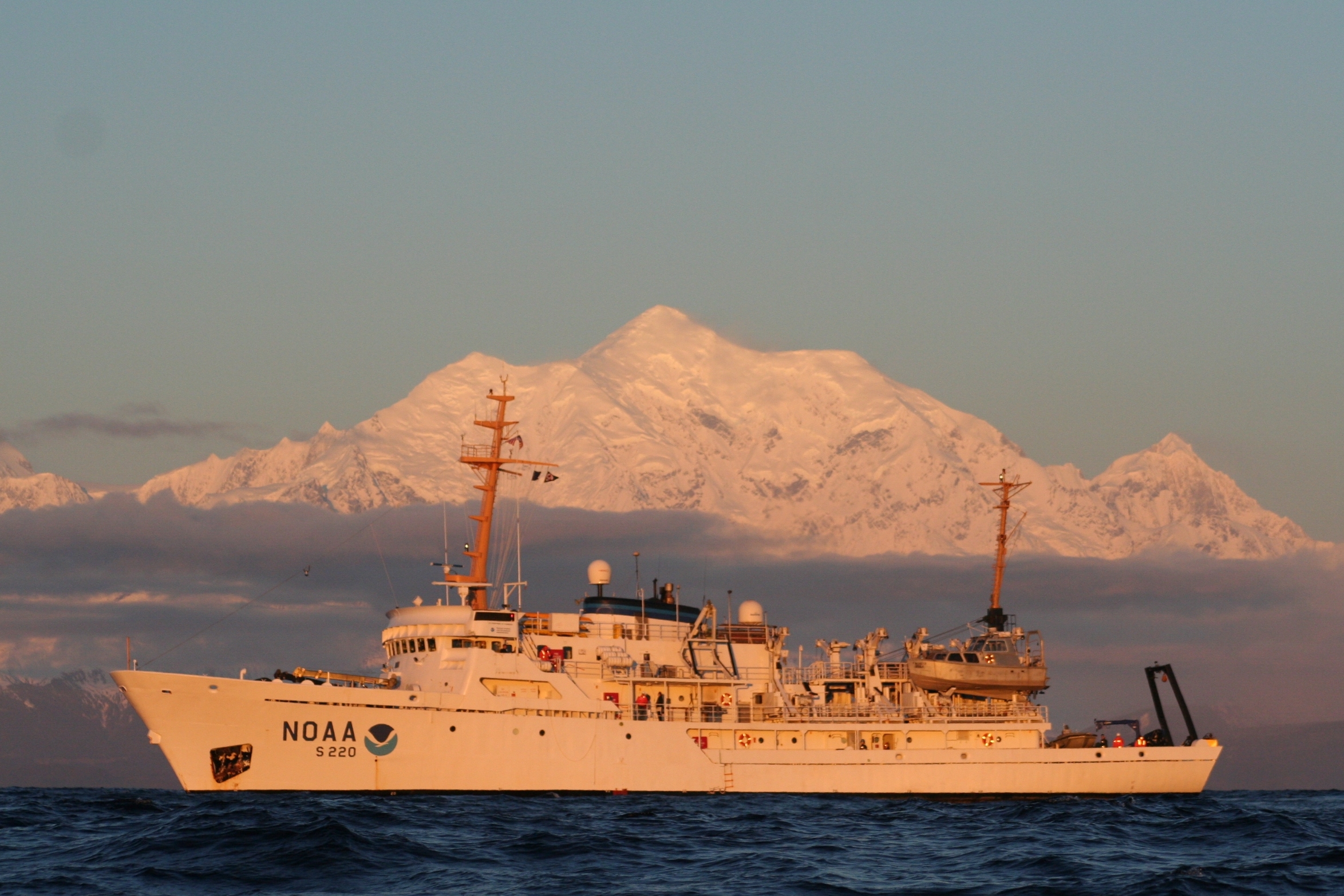
At 15,300 feet, Mount Fairweather rises majestically as the highest point in British Columbia, just 10 miles from the Gulf of Alaska. This stunning peak, named by the renowned Captain James Cook in 1778, offers more than just breathtaking views; it embodies a rich tapestry of history, culture, and natural beauty. Cook's sighting of the mountain in 'fair weather' evokes a sense of adventure that continues to attract explorers and nature enthusiasts today.

History and Origins The history of Mount Fairweather is as layered as the mountain's rugged terrain. Long before European explorers set foot in the region, Indigenous peoples thrived in the surrounding landscapes. The Coast Salish and Tlingit communities revered these mountains, embedding their stories and traditions in the very fabric of the land. The mountain's name reflects the era of exploration that defined the late 18th century, an age when navigation and mapping were paramount. Captain Cook's expedition was pivotal, marking a significant moment in maritime history as he charted these uncharted waters and peaks.
In 1906, the mountain was first summited by the American mountaineer William B. Clark, opening the door for future climbers and adventurers drawn to its formidable heights. Fairweather's remote location and challenging weather conditions have made it a lesser-visited gem, maintaining a sense of untouched wilderness.

Art and Architecture Though Mount Fairweather itself is devoid of man-made structures, its grandeur has inspired countless artists and photographers. The mountain's dramatic peaks and glaciers have been captured in various forms of art, from paintings to photography, symbolizing the untouched beauty of British Columbia. The Fairweather Range, where the mountain resides, is often depicted in local art galleries, showcasing the rugged beauty that has fascinated artists for generations.
Local Culture and Traditions The cultural significance of Mount Fairweather extends beyond its physical presence. Local Indigenous traditions echo through the stories told by the Tlingit and Coast Salish peoples, reflecting a deep spiritual connection to the land. Festivals celebrating nature and community are held in the nearby towns, where locals gather to honor their heritage through dance, storytelling, and traditional crafts. The Tlingit Heritage and Cultural Festival is one such event, showcasing the vibrant customs and artistic expressions of the region.
Gastronomy While Mount Fairweather itself doesn’t host restaurants, the surrounding areas offer a taste of authentic British Columbia cuisine. Fresh seafood, particularly salmon, is a staple, often prepared using traditional methods passed down through generations. Dining in local eateries reveals dishes like salmon chowder or halibut tacos, showcasing the rich flavors of the Pacific Northwest. Pairing these dishes with a locally brewed craft beer completes the experience, honoring both the land and its bounty.
Lesser-Known Curiosities Beyond its stunning visual appeal, Mount Fairweather is home to several unique features that many travelers overlook. The mountain's glaciers are not just beautiful; they are vital indicators of climate change. Scientists study these glaciers to understand environmental shifts, making Fairweather a focal point for research. Additionally, the mountain's remote location has made it a sanctuary for diverse wildlife, including mountain goats and peregrine falcons, which visitors may spot if they venture into the surrounding areas.
Another intriguing fact is that despite its imposing height, Mount Fairweather is relatively accessible compared to other peaks in the Coast Mountains. The surrounding landscapes are part of the Fairweather Range, providing various hiking options for those looking to explore the natural beauty without summiting the peak itself.
Practical Visitor Information The best time to visit Mount Fairweather is during the summer months, from late June to early September, when the weather is most stable and accessible. However, adventurers should always be prepared for sudden weather changes, even in summer. The Kluane National Park and Reserve offers numerous trails leading to stunning viewpoints of Fairweather, making it an ideal base for exploration.
For those planning a trip, consider packing layers, sturdy hiking boots, and plenty of water. Guided tours are also available for those who prefer not to navigate the rugged terrain alone.
Whether you are an avid climber, a nature enthusiast, or simply someone seeking solace in breathtaking landscapes, Mount Fairweather promises an experience rich in history and natural beauty. As you plan your journey to this majestic peak, consider using the Secret World app for a personalized itinerary to enhance your visit.
