



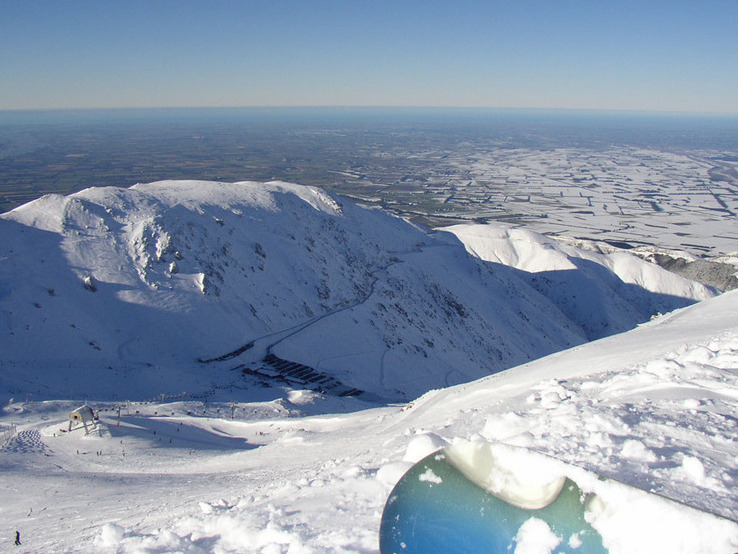
Mount Hutt (Maori: Opuke) stands majestically to the west of the Canterbury Plains in the South Island of New Zealand. At a summit of 2,190 metres above sea level, it is not just a prominent ski destination but also a site rich in history and culture, drawing visitors year-round for both its natural beauty and its heritage.

### History and Origins The history of Mount Hutt dates back to ancient Māori traditions, where it was known as Opuke, meaning ‘to be clothed in snow’. The Ngāi Tahu iwi (tribe) originally inhabited this area, with deep spiritual connections to the land. European settlers arrived in the mid-19th century, and Mount Hutt quickly became an attraction for its breathtaking landscapes and recreational opportunities. The first ski activities began in the 1950s, establishing Mount Hutt as a pioneer in the Southern Hemisphere skiing scene. Notably, it was the first ski field in the region to open each season, a proud tradition that continues today.
### Art and Architecture Although Mount Hutt is primarily known for its stunning natural environment, the architectural styles in the area reflect a blend of Māori and European influences. The lodges and facilities at the ski area are designed to complement the alpine surroundings, utilizing natural materials to create a harmonious balance with the landscape. While there are no grand historical buildings at the mountain itself, the nearby towns reflect a rustic charm with buildings that tell the story of the pioneering spirit.

### Local Culture and Traditions The culture around Mount Hutt is vibrant, with local customs deeply rooted in Māori traditions. Festivals such as the Māori New Year (Matariki) celebrate the winter solstice and are marked by communal feasts and cultural performances. Skiing also plays a significant role in the local culture, with competitions and events drawing both locals and tourists. Visitors have the opportunity to engage with local Māori guides who share stories of the land, offering insights into the customs that have shaped the region.
### Gastronomy The culinary scene surrounding Mount Hutt showcases the flavors of the region, with an emphasis on local produce. Canterbury lamb is a must-try, often served at local eateries with seasonal vegetables. Additionally, you can indulge in whitebait fritters, a delicacy in New Zealand, especially during the spring season. Pair your meal with a glass of local wine from the nearby Waipara Valley, known for its Pinot Noir and Sauvignon Blanc varietals. Don’t forget to sample Pavlova, a meringue-based dessert that is a favorite among locals.
### Lesser-known Curiosities Many visitors flock to Mount Hutt for skiing, but few know about the Hutt Valley, which boasts an extensive network of trails for hiking and mountain biking during the summer months. The Hutt River also offers excellent fishing opportunities, making it a hidden gem for anglers. Additionally, the area is known for its unique weather patterns, often resulting in a phenomenon known as the ‘Hutt snow’, where heavy snowfall can occur even when nearby regions remain clear.
### Practical Visitor Information The best time to visit Mount Hutt for skiing is from June to October, when the snow conditions are optimal. Early season, particularly in June, is when the mountain typically opens, often with celebratory events. For those interested in hiking, the summer months from December to March provide stunning landscapes and a chance to explore the alpine flora. Make sure to dress in layers, as the weather can change rapidly in the mountains.
Before planning your visit, consider checking the Secret World app to curate a personalized itinerary that suits your interests and ensures you don’t miss out on the hidden gems of Mount Hutt.
