



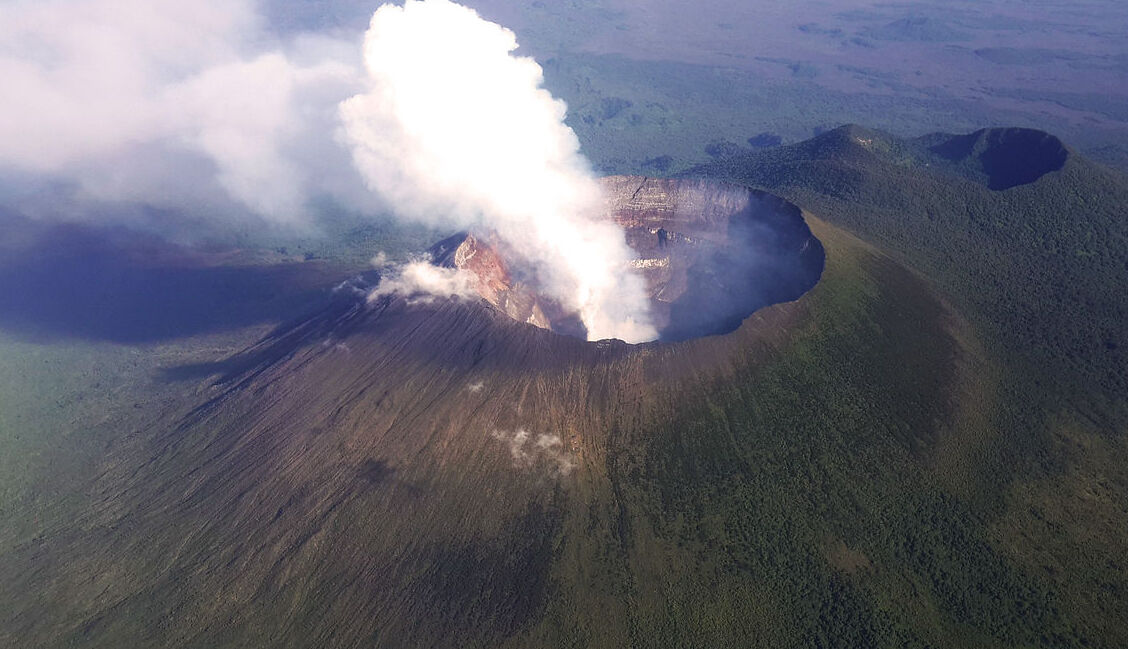
Nestled in the heart of Africa, Mount Nyiragongo in the Democratic Republic of the Congo is a fiery spectacle that captivates the adventurous spirit. This iconic volcano, part of the Virunga Mountains, is renowned for its persistent and volatile lava lake, a natural phenomenon both awe-inspiring and humbling. As the world's largest permanent lava lake, it simmers and churns with molten rock reaching a blistering 2,000 degrees Celsius, presenting a mesmerizing dance of nature's raw power.
The history of Mount Nyiragongo is as turbulent as the lava it holds. Geologically active for hundreds of thousands of years, the region's volcanic activity has shaped the landscape and influenced human settlement patterns. The volcano's eruptions have been a constant threat and a source of fertile soil, fostering both danger and opportunity for the local communities. In 1977, an eruption released an explosive river of lava, moving at speeds of up to 60 kilometers per hour, tragically claiming hundreds of lives. Another significant eruption occurred in 2002, devastating the nearby city of Goma and displacing thousands, a stark reminder of Nyiragongo’s potential for destruction.
In terms of art and architecture, the region around Mount Nyiragongo may not boast grand edifices or ancient sculptures, but it is steeped in a subtle, natural artistry. The volcanic landscape itself is a masterpiece, with its rugged terrain and the stark contrast of black lava against lush greenery. Local crafts, such as intricately woven baskets and vibrant textiles, reflect the colors and textures of this environment, serving as both practical items and cultural expressions.
The culture surrounding Mount Nyiragongo is rich and deeply rooted in the traditions of the Kivu region. The communities living in proximity to the volcano maintain a strong connection to their land, with customs passed down through generations. Festivals are vibrant affairs, often involving traditional music and dance, which serve as communal gatherings to celebrate life and resilience in the face of natural adversity. These cultural expressions are vital for preserving the identity and heritage of the local people.
Gastronomy in the shadow of Mount Nyiragongo is a blend of indigenous flavors and influences from broader African culinary traditions. Local dishes often feature cassava, plantains, and maize, staples that provide sustenance and comfort. The region is also known for its tilapia from Lake Kivu, prepared in a variety of ways, from grilling to stewing. Spicy sauces and stews, rich with locally grown vegetables and aromatic spices, offer a taste of the land’s bounty.
There are lesser-known curiosities about Mount Nyiragongo that intrigue those who delve deeper. One such fascinating aspect is the unique lava composition. Nyiragongo's lava is extremely low in silica, which makes it unusually fluid and fast-moving compared to other volcanic flows. This characteristic is responsible for the unprecedented speed of the 1977 eruption, a fact that continues to draw scientific interest. Furthermore, the volcano is part of the Albertine Rift, a biodiversity hotspot, where efforts are being made to study and conserve the unique flora and fauna.
For those planning a visit to this volcanic marvel, timing and preparation are key. The best time to visit Mount Nyiragongo is during the dry seasons, from mid-December to early March and from June to September, when conditions are more favorable for trekking. It is advisable to undertake the journey with a reputable guide, as the terrain can be challenging and weather conditions unpredictable. Visitors should also ensure they are well-equipped with proper hiking gear, including sturdy boots, warm clothing for the chilly summit nights, and plenty of water.
While the ascent to the summit is demanding, the reward is an unforgettable view into the heart of the lava lake, a sight that resonates with the primal forces of the earth. Standing on the edge of the crater, with the fiery glow illuminating the night, is a moment that transcends mere travel and becomes a profound connection with the natural world. As you plan your journey to Mount Nyiragongo, prepare not only for a physical adventure but also for an exploration of the deeper relationship between humans and the tumultuous yet beautiful environment they inhabit.
