



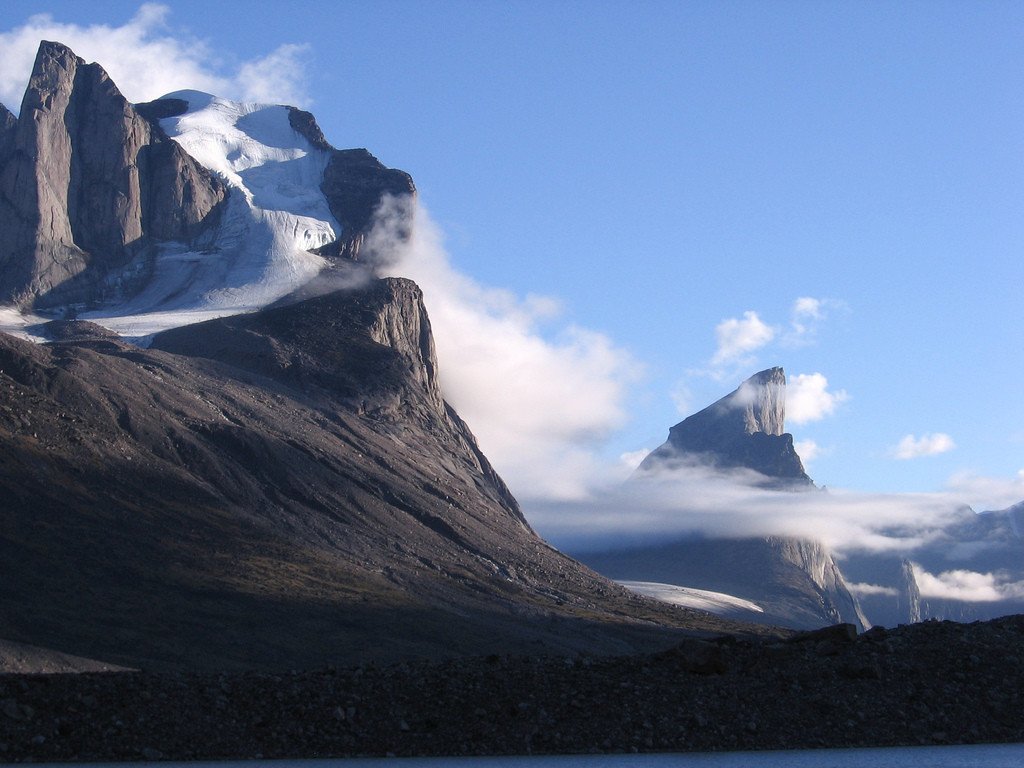
Towering majestically in the rugged landscape of Qikiqtaaluk, Nunavut, Mount Odin is a marvel of natural architecture and a sentinel of the Arctic wilderness. As the highest mountain on Baffin Island and the fifth-highest in the Arctic Cordillera, it draws adventurers and nature enthusiasts from around the globe, eager to experience its pristine beauty and challenging terrain.
The history of Mount Odin is deeply intertwined with the ancient narratives of the Inuit people who have inhabited this region for millennia. Known traditionally as Uummannaq, which translates to “like a heart” in the Inuit language, the mountain holds a significant place in local lore. The Inuit have long revered the landscape as a place of spiritual importance, weaving the mountain into their myths and stories. Over the centuries, these tales have been passed down through generations, each storyteller adding to the mountain’s rich tapestry of history.
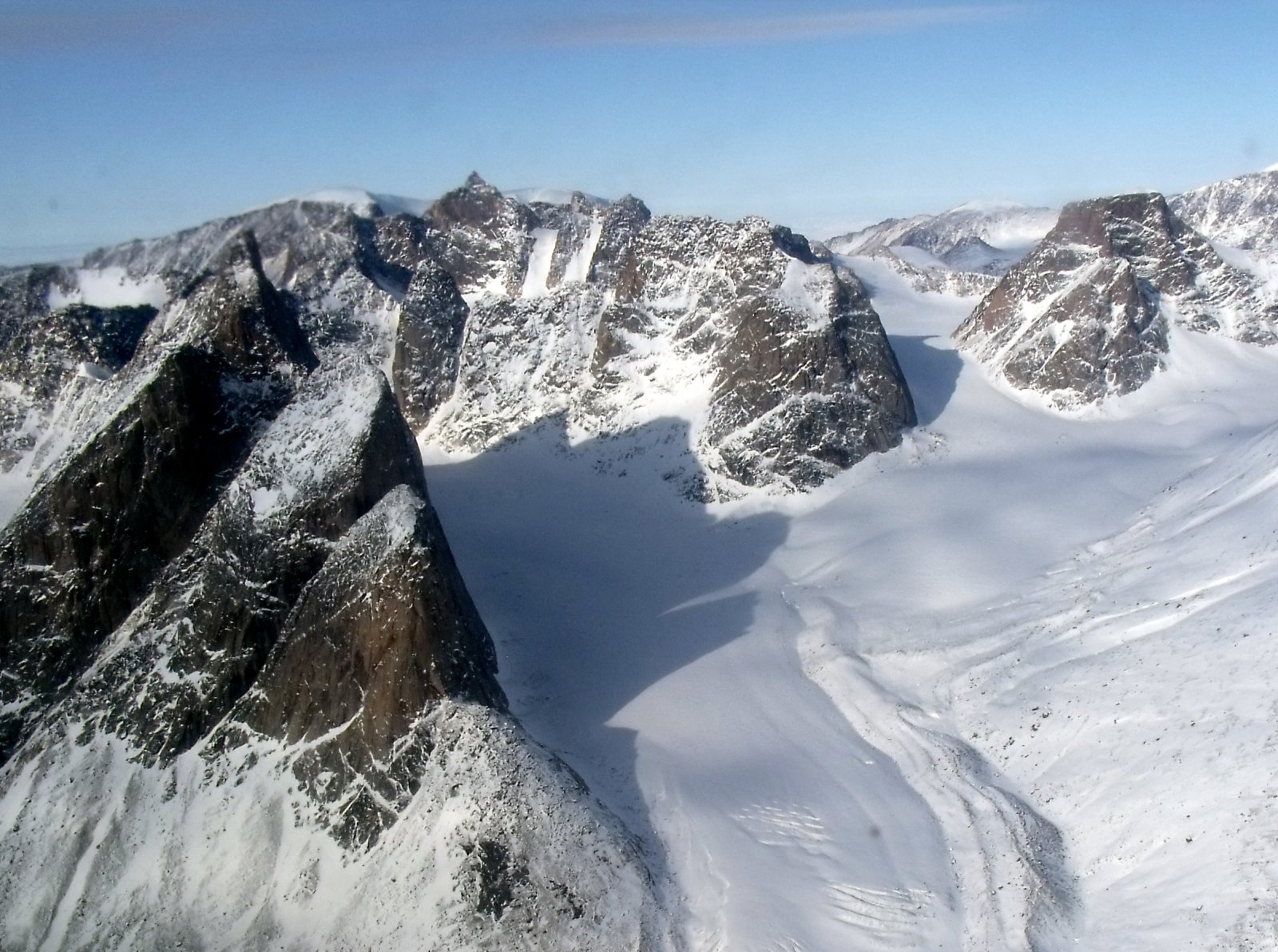
Architecturally, Mount Odin is a masterpiece sculpted by nature itself. Unlike man-made structures, its grandeur lies in its stark natural beauty—formed by the relentless forces of glacial erosion and tectonic activity. The mountain's striking features, such as its steep granite faces and jagged peaks, present a formidable challenge and an awe-inspiring sight for climbers and hikers. While there are no human structures atop its lofty heights, the mountain's natural architecture stands as a testament to the raw power and artistry of the Earth’s geological processes.
The culture surrounding Mount Odin is as vibrant and resilient as the landscape itself. The nearby community of Pangnirtung, known locally as “Pang,” serves as a cultural hub for the Inuit people. Here, traditional practices are preserved and celebrated through annual festivals and gatherings. The Pangnirtung Music Festival, for instance, is a lively event that showcases the talents of local musicians and artisans, weaving together the old and the new with traditional throat singing and contemporary performances.
Gastronomy in this part of Nunavut is a unique blend of traditional Inuit fare and modern influences. Visitors can sample local delicacies such as muktuk (whale skin and blubber), arctic char, and caribou stew, which are staples of the Inuit diet. These dishes reflect the resourcefulness and adaptability of the Inuit, who have thrived in this harsh climate by relying on the bounty of the land and sea. The communal sharing of food is a deeply ingrained tradition, offering a taste of the region’s hospitality and cultural richness.
Beyond its more famous features, Mount Odin harbors several lesser-known curiosities that intrigue the curious traveler. For instance, the mountain's name is derived from the Norse god Odin, a nod to the Viking exploration myths that captivate historians and locals alike. Additionally, the mountain’s location within the Auyuittuq National Park—which means “the land that never melts”—offers a rare glimpse into a subarctic ecosystem teeming with unique flora and fauna, from the elusive arctic fox to the hardy dwarf birch.
For those planning a visit, the best time to explore Mount Odin is during the brief Arctic summer, from June to August, when temperatures are milder, and the sun never sets. This period offers the best conditions for trekking the Akshayuk Pass, a renowned trail that winds through the park, providing breathtaking views of the mountain and its surroundings. Visitors should be prepared for rapidly changing weather and bring appropriate gear to navigate the rugged terrain safely.
To truly appreciate Mount Odin, one must immerse themselves in the stories and traditions of the Inuit, respect the natural environment, and embrace the spirit of adventure that this formidable mountain inspires. Whether scaling its peaks or simply gazing up at its towering presence, Mount Odin offers an unforgettable journey into the heart of the Arctic wilderness.
