



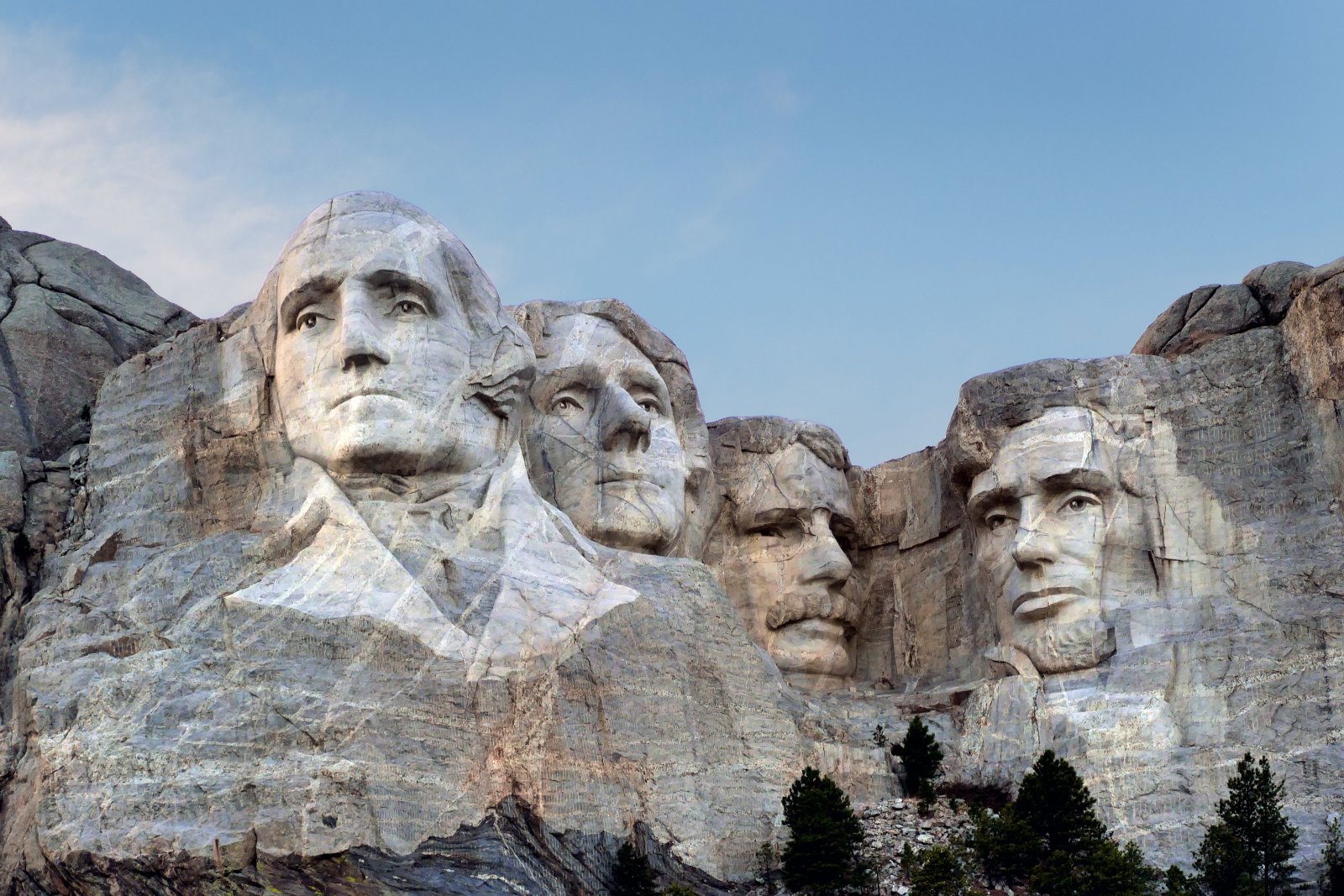
Rising majestically from the Black Hills of South Dakota, Mount Rushmore stands as a monumental testament to American history and artistry. This iconic site, known for the colossal faces of four U.S. Presidents—George Washington, Thomas Jefferson, Theodore Roosevelt, and Abraham Lincoln—etched into its granite face, is more than just a visual marvel. It harbors a hidden secret that intrigues many: a secret chamber designed to house the nation's most vital documents.
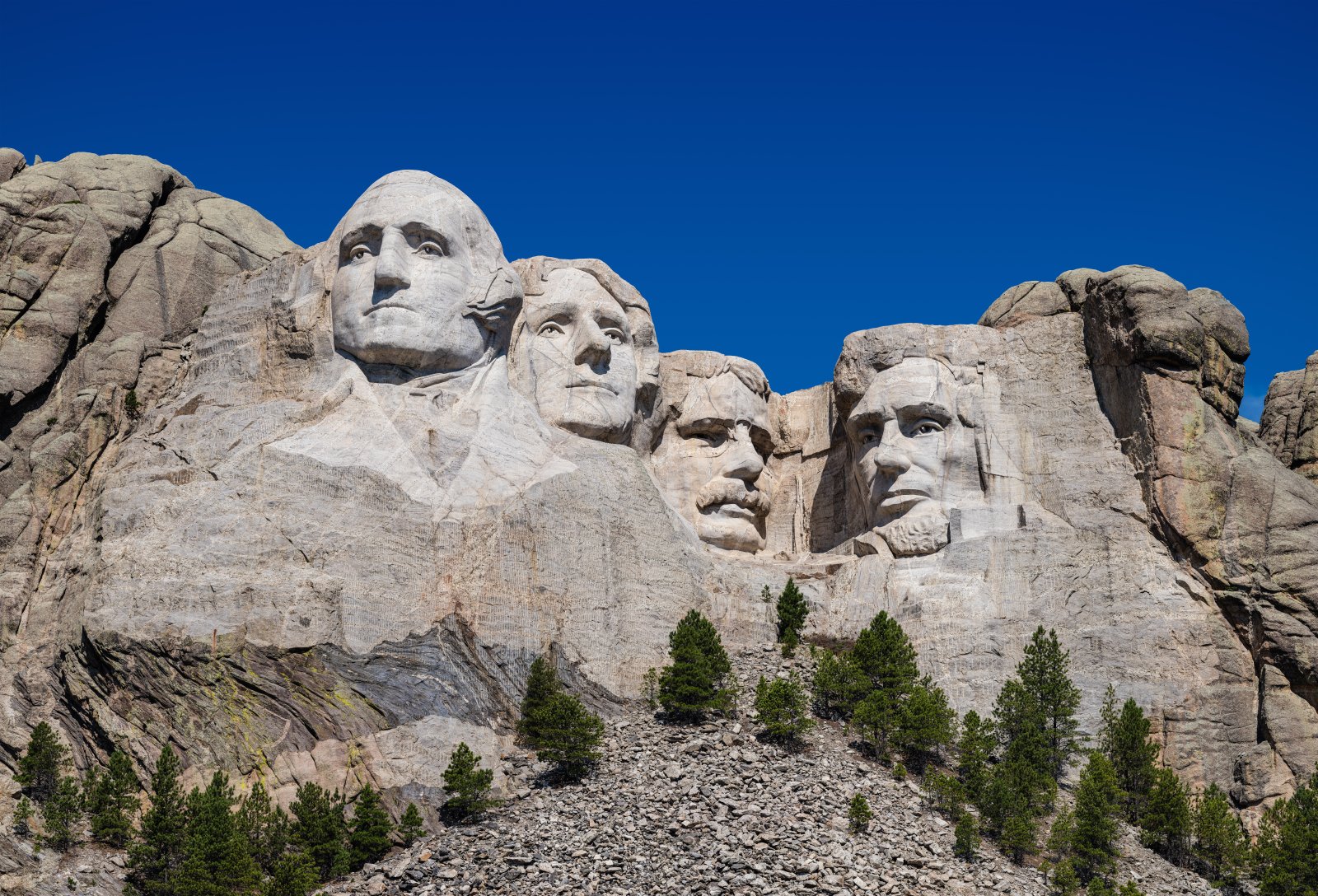
The creation of Mount Rushmore was spearheaded by sculptor Gutzon Borglum in 1927, with the ambitious vision of crafting a "Shrine of Democracy." Borglum sought to commemorate the birth, growth, preservation, and development of the United States through the visages of its leaders. The project, completed in 1941, engaged over 400 workers, surviving the Great Depression and Borglum's own passing in 1941, thanks to his son Lincoln Borglum who saw it to completion.
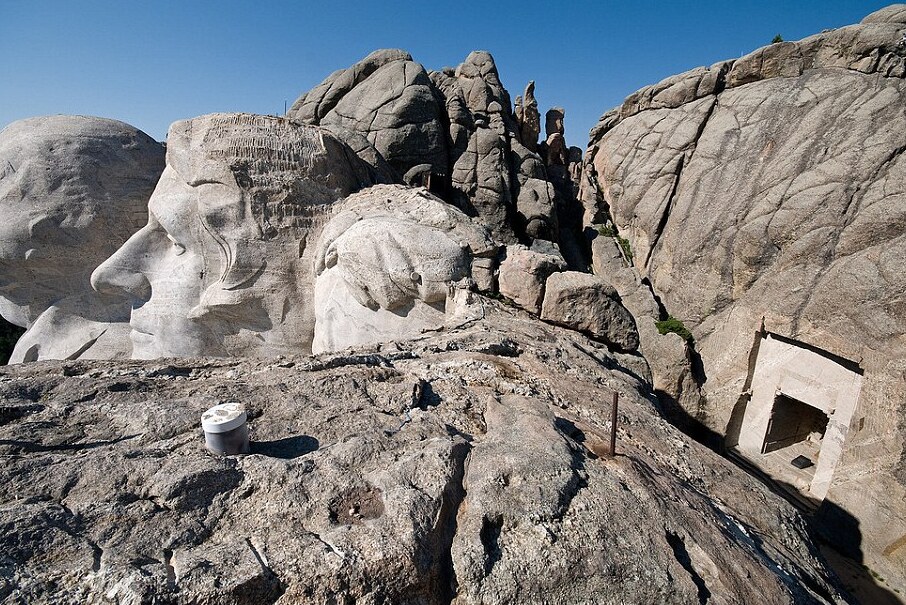
Architecturally, Mount Rushmore is a marvel of both artistry and engineering. The presidents' faces are sculpted on a rugged granite cliff, each face reaching up to 60 feet in height. Borglum's technique of "honeycombing" allowed workers to remove large sections of rock with minimal blasting, preserving the delicate features of the sculptures. Though unfinished, Borglum's vision included a Hall of Records, a secret chamber behind the monument. This chamber, nestled behind Lincoln's head, was intended to serve as a repository for America's foundational documents. While the hall was never completed as Borglum envisioned, it was eventually used to store a titanium vault containing copies of key historical documents and a biography of Borglum himself.
Culturally, Mount Rushmore is a symbol of American ideals, but it also sits on land sacred to the Lakota Sioux, known as the Paha Sapa. This duality sparks important conversations about heritage and the narratives we choose to immortalize. The nearby town of Keystone often plays host to cultural festivals celebrating this blend of histories, featuring everything from traditional Lakota dances to Independence Day fireworks that illuminate the sculptures.
Visitors to the area are encouraged to explore local gastronomy, which reflects the region’s rugged spirit. Buffalo meat is a local staple, often prepared as burgers or steaks, and paired with locally brewed craft beers. The Chislic, skewered cubes of red meat typically made with lamb or beef, is a must-try, offering a taste of South Dakota's authentic flavors.
Beyond the grandeur of the sculptures, Mount Rushmore harbors lesser-known curiosities. Few know that Borglum originally intended for the sculptures to extend down to the waist, a plan curtailed by budget constraints. The mountain is also home to a unique microclimate due to its elevation, offering a surprising variety of flora and fauna that keen-eyed naturalists might spot.
For those planning a visit, the optimal time is during the late spring and early fall. The weather is mild, and the crowds are thinner compared to the bustling summer months. Arrive early in the morning or late in the afternoon to witness the changing light transform the monument's appearance. A ranger-led tour can offer deeper insights into the monument's history, and don't miss the nightly lighting ceremony during the summer, a moving tribute to the monument and its meaning.
As you stand before this monumental work, remember to look beyond the stone faces. Consider the stories untold and the voices of the land. Mount Rushmore is not just a sculptural achievement but a place where history continues to unfold, inviting reflection on the past and contemplation for the future.
