



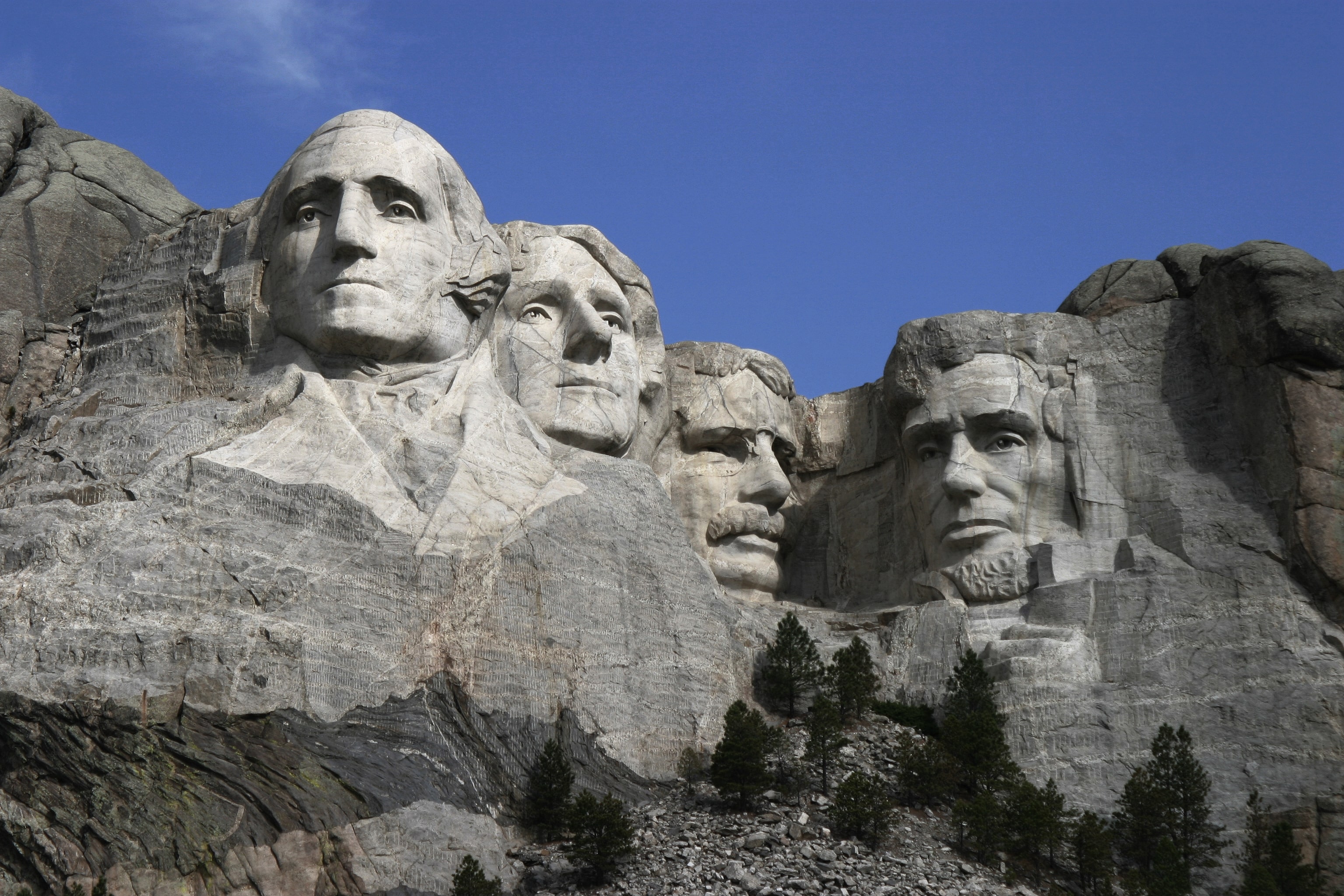
Carved into the granite face of the Black Hills in South Dakota, Mount Rushmore National Memorial stands as a monumental testament to American history and artistry. Its towering visages of four U.S. presidents draw millions annually, each visitor eager to connect with the legacy etched into the rugged peaks of Keystone.

The origins of Mount Rushmore are rooted in the vision of Doane Robinson, a South Dakota historian who dreamed of a colossal sculpture to promote tourism. The project took flight under the skilled hands of sculptor Gutzon Borglum in 1927, who chose George Washington, Thomas Jefferson, Theodore Roosevelt, and Abraham Lincoln to represent the nation's birth, growth, development, and preservation. The memorial was completed in 1941, following Borglum's death, by his son Lincoln Borglum, yet it remains unfinished, with plans for further detailing halted by funding constraints.
Architecturally, Mount Rushmore is a marvel of engineering and artistry. The faces, each standing 60 feet tall, are a blend of classical and modern techniques, with Borglum employing dynamite to remove large swathes of rock before refining the features with drills and chisels. The scale of the work is matched only by its symbolic depth, as each president commemorated has played a pivotal role in shaping the nation. The memorial's artistic significance also lies in its blending of natural landscape and human ingenuity, a seamless integration that has become iconic worldwide.

Beyond the stone sentinels, the area surrounding Mount Rushmore is rich with cultural significance. The Black Hills, known as Paha Sapa to the Lakota Sioux, hold sacred status, steeped in indigenous legends and historical treaties. This deep cultural connection adds layers to the experience of visiting the memorial, prompting reflection on the complex narratives of American history. Keystone, the nearby town, embraces this heritage with annual events like the Black Hills Powwow, celebrating Native American culture through dance, music, and traditional crafts.
In Keystone, the Black Hills offer culinary delights that reflect the region's heritage. Visitors can savor bison burgers, a nod to the area's indigenous roots, or indulge in hearty Midwestern fare like fry bread, a traditional Native American dish. For a sweet treat, try the local specialty of chokecherry jelly, a tangy preserve made from the fruit of the native chokecherry plant. Local eateries often serve these alongside craft beers brewed with regional ingredients, offering a taste of South Dakota's evolving gastronomy.
While most come to gaze upon the monumental sculptures, Mount Rushmore holds lesser-known curiosities. Hidden behind the faces is the Hall of Records, an unfinished chamber intended to house the nation's most significant documents. Though never completed as planned, the room now contains a repository of historical records, sealed in a titanium vault, detailing the history of the United States for future generations. This secretive addition underscores Borglum's vision of the memorial as a lasting tribute to American ideals.
To make the most of a visit to Mount Rushmore, timing is key. The best months are late spring through early fall, when the weather is mild, and the natural beauty of the Black Hills is in full bloom. Arrive early in the morning or late in the afternoon to avoid crowds and witness the light playing across the granite faces in a mesmerizing display of shadow and highlight. For those interested in deeper understanding, the on-site visitor center offers exhibits and a short film detailing the memorial's history and construction.
Practical tips include wearing sturdy footwear for the rugged terrain and bringing binoculars to appreciate the finer details of the carvings. Nearby, the Presidential Trail provides a closer view of the sculptures and a chance to explore the surrounding pine forests. For an added perspective, consider attending the nightly lighting ceremony, a poignant tribute to the nation’s enduring spirit, where the faces are illuminated against the night sky.
Mount Rushmore is more than a tourist destination; it is a profound intersection of art, history, and nature. Its story continues to evolve, inviting each visitor to ponder the past and future of the American narrative, all while standing in awe of a truly monumental achievement.
