



Mount Whitney, standing proudly at 14,505 feet (4,421 m), is the highest summit in the contiguous United States and the majestic crown of the Sierra Nevada. This stunning peak, located within the Inyo National Forest near Lone Pine, California, has long captivated adventurers, mountaineers, and nature enthusiasts alike. Its breathtaking vistas and challenging ascents make it a destination that promises both awe and adventure.
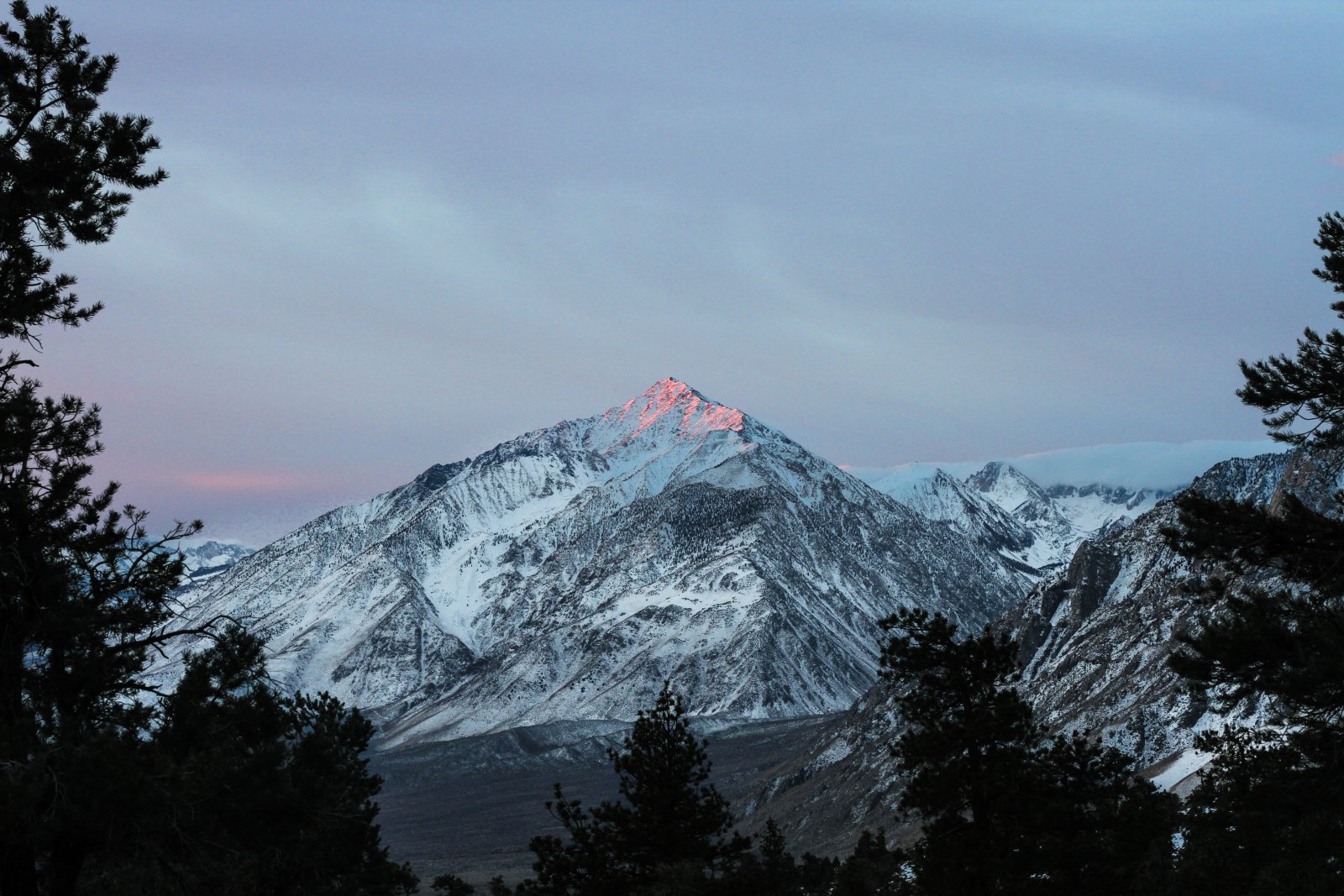
### History and Origins The history of Mount Whitney is woven into the rich tapestry of the Sierra Nevada mountains. The area was first inhabited by the Mono and Kawaiisu tribes, who revered the mountain as a sacred site. The peak was named after Josiah Whitney, a 19th-century geologist who led the 1864 expedition that brought scientific recognition to this majestic summit. The mountain was officially named in 1890, and in the years that followed, it became a sought-after destination for climbers.
In 1936, Mount Whitney was designated as part of the newly established Sequoia National Park, which further solidified its status as an iconic natural landmark. The first recorded ascent occurred in 1873, led by a group of adventurous miners, marking the beginning of a long-standing tradition of mountaineering in the area.

### Art and Architecture While Mount Whitney itself is a natural marvel, its nearby landscapes have been a source of inspiration for many artists. The Sierra Nevada mountains have been captured in the works of renowned painter Albert Bierstadt, whose romanticized depictions of the region highlighted its breathtaking beauty. His paintings from the mid to late 1800s showcased the grandeur of the mountains, including the enchanting vistas surrounding Whitney.
Architecturally, the area features rustic cabins built by early climbers and adventurers, blending harmoniously with the rugged terrain. The Whitney Portal Trailhead, the main access point for climbers, is equipped with a small visitor center that offers insights into both the history and geology of the region, reflecting the balance between human habitation and nature's splendor.
### Local Culture and Traditions The culture surrounding Mount Whitney is deeply rooted in outdoor recreation and respect for nature. Local customs include the practice of Leave No Trace, which emphasizes the importance of preserving the pristine environment for future generations. Each summer, climbers from around the world gather to participate in the Whitney Classic, a challenging race that celebrates the peak's allure.
Additionally, the Inyo National Forest hosts various events that highlight the cultural significance of the Sierra Nevada, including educational programs about the indigenous tribes and conservation efforts. This blend of cultural appreciation and outdoor adventure fosters a community that respects the mountain’s heritage while embracing the thrill of exploration.
### Gastronomy While Mount Whitney itself is not a gastronomic destination, the nearby towns of Lone Pine and Bishop offer a taste of local cuisine. Lone Pine is known for its hearty meals, including California-style burritos and homemade pies. Visitors often indulge in dishes featuring locally sourced ingredients, such as grass-fed beef and fresh vegetables.
For a true local experience, try the Bishop Mule Days celebration, where visitors can savor barbecue and enjoy traditional Western fare, showcasing the region's ranching heritage. A refreshing local craft beer or a glass of wine from nearby vineyards complements any meal, rounding out the culinary experience.
### Lesser-known Curiosities Despite its fame, Mount Whitney holds many secrets waiting to be discovered. One intriguing fact is that the mountain is home to the Whitney Glacier, a unique feature that is one of the southernmost glaciers in the continental United States. Additionally, Mount Whitney is often mistaken for Mount Shasta, another iconic California peak, due to their similar elevations and prominence.
Another lesser-known detail is the Mount Whitney Lottery, implemented to manage the increasing number of climbers. This system ensures that the wilderness experience remains pristine while allowing access to those eager to summit this majestic mountain.
### Practical Visitor Information The best time to visit Mount Whitney is during the late spring to early fall months, specifically from late June to September. During this period, the weather is typically milder and the trails are less snowbound, making it ideal for hiking and climbing.
When planning your visit, be sure to obtain a wilderness permit, which is required for all overnight trips. Arriving early at the Whitney Portal can help you secure parking and avoid crowds. Take advantage of the numerous trails available, including the Mount Whitney Trail, a challenging yet rewarding hike that offers stunning views and unique geological features.
Don’t forget to pack plenty of water, snacks, and layers of clothing to accommodate the changing mountain weather. As you ascend, keep an eye out for wildlife, including marmots and bighorn sheep, that call this stunning region home.
In conclusion, whether you're an avid climber or a casual hiker, Mount Whitney offers a breathtaking experience steeped in history and natural beauty. Take the time to explore its majestic landscapes and rich cultural heritage, and you'll leave with memories that last a lifetime. For a personalized itinerary to explore this incredible destination, consider using the Secret World app.
