


The roar comes before you even see the flames. You are walking on a path of black ash, the air smells of sulfur, and every few minutes the ground beneath your feet vibrates as if something enormous is trying to break free. Then it explodes: a column of incandescent lava shoots into the night sky, illuminating the steam clouds with shades of orange and blood red. Welcome to Mount Yasur, on Tanna Island, in the Vanuatu archipelago, in the South Pacific.

With a height of about 361 meters above sea level, Mount Yasur is not a giant in size, but it is probably the most extraordinary active volcano to visit on the planet. Its strombolian eruptive activity — characterized by rhythmic and frequent explosions rather than continuous lava flows — makes it spectacular and, with the proper precautions, accessible on foot right to the edge of the crater. European explorers documented it as early as 1774, when James Cook spotted the glow of its eruptions from the ocean during his second voyage to the Pacific.
What to see: the crater and strombolian eruptions
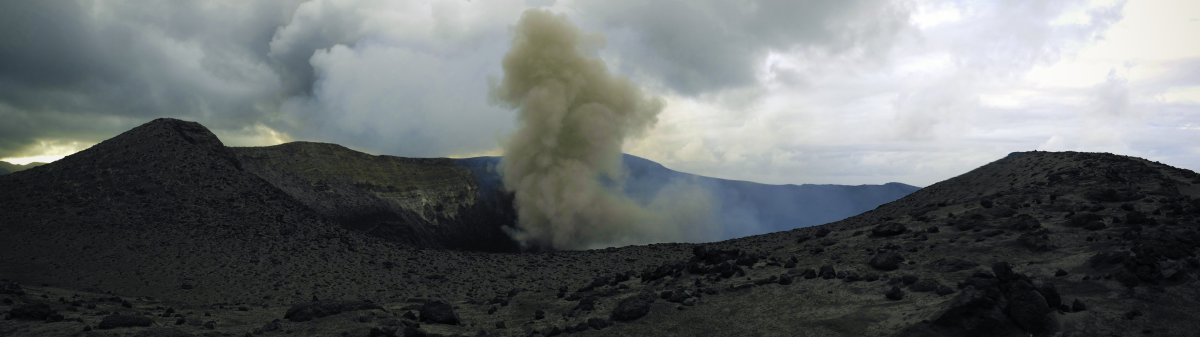
Reaching the edge of the crater is an experience that redefines the concept of natural grandeur. The final path is walked on foot over a terrain of lapilli and compact ash, in a lunar landscape devoid of vegetation, where the ground is still warm in certain spots. Once at the top, one looks out over a smoking caldera from which plumes of gas and steam rise, interrupted every five to ten minutes by explosions that launch lava bombs into the air.
At night, the spectacle reaches its peak: projections of glowing magma draw bright arcs against the darkness, and the heat can be clearly felt even from a safe distance. Local authorities classify the volcano's alert level on a scale from 1 to 4, and access to the crater is allowed when the level is low or moderate. It is essential to follow the indications of local guides, who know the volcano's behaviors better than any instrument.

How to get to Tanna and the volcano
Tanna can be reached by flight from Port Vila, the capital of Vanuatu, with flights operated by Air Vanuatu that last about 45 minutes. The reference airport is Whitegrass, located in the northern part of the island. From there, Mount Yasur is located in the southeast area of the island, and the transfer takes about an hour on unpaved roads in a 4x4 vehicle — an adventure in itself, through villages, tropical forests, and volcanic ash plains.

Most visitors arrange their visit through local lodges or agencies in Tanna, which include transportation and a guide in the tour price. The indicative cost for an evening tour to the crater is around 50-80 US dollars per person, including the access permit to the site, which is managed by the local community that owns the land. There is no centralized online booking system: arrangements are almost always made directly on the island or through the lodges.
The best time to visit and practical tips
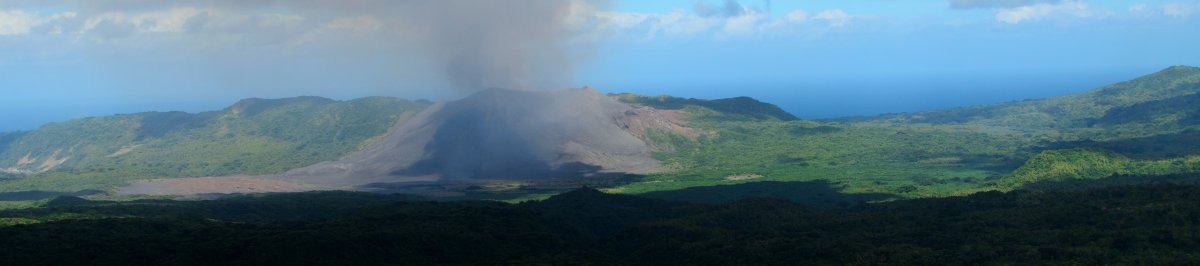
The evening visit is far preferable to the daytime one. During the day, eruptions are just as frequent, but at night the contrast between the darkness and the glowing lava transforms the experience into something difficult to describe. Bring a headlamp for the return journey, sturdy closed shoes with thick soles, and layered clothing: the temperature at altitude can drop significantly after sunset, and the wind often pushes sulfur gases towards visitors.
A fundamental tip: do not wear contact lenses during the visit. The fine ash particles floating in the air can cause serious irritation to the eyes. Many tour operators provide gas masks, but bringing your own is always a good idea. The dry season, from April to October, offers more stable weather conditions and less slippery trails, although the volcano is accessible year-round.
The cultural context: Yasur and the people of Tanna
For the local communities of the island of Tanna, Mount Yasur is not simply a geological phenomenon: it is a spiritual presence deeply rooted in culture and traditional beliefs. The kastom — the ancestral laws and traditions — attribute a sacred meaning to the volcano, and the management of the site is entrusted directly to the families and clans that have inhabited the surrounding lands for generations.
This means that visiting Yasur is also an act of respect towards a community that has chosen to share one of its most significant places with the outside world. Behaving discreetly, following the guidance of local guides, and not collecting rocks or lava samples — a practice that is prohibited and culturally disrespectful — are minimal but important gestures to maintain this balance between tourism and tradition.


