
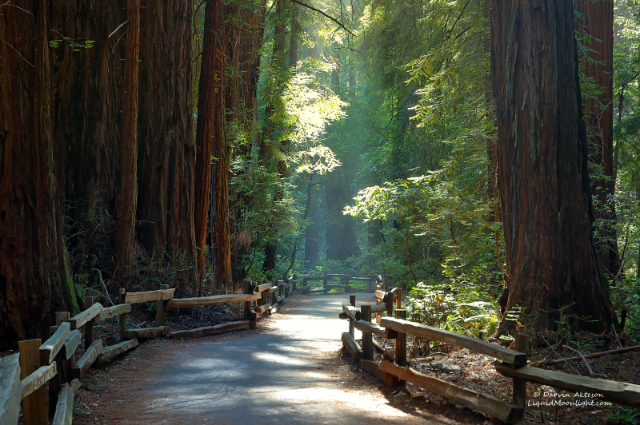

The towering giants of Muir Woods National Monument whisper ancient stories of resilience and grandeur, their presence a testament to nature's enduring power. Nestled in the heart of Mill Valley, California, this serene sanctuary preserves some of the last remaining old-growth coast redwood forests, offering a glimpse into a world that has all but vanished.
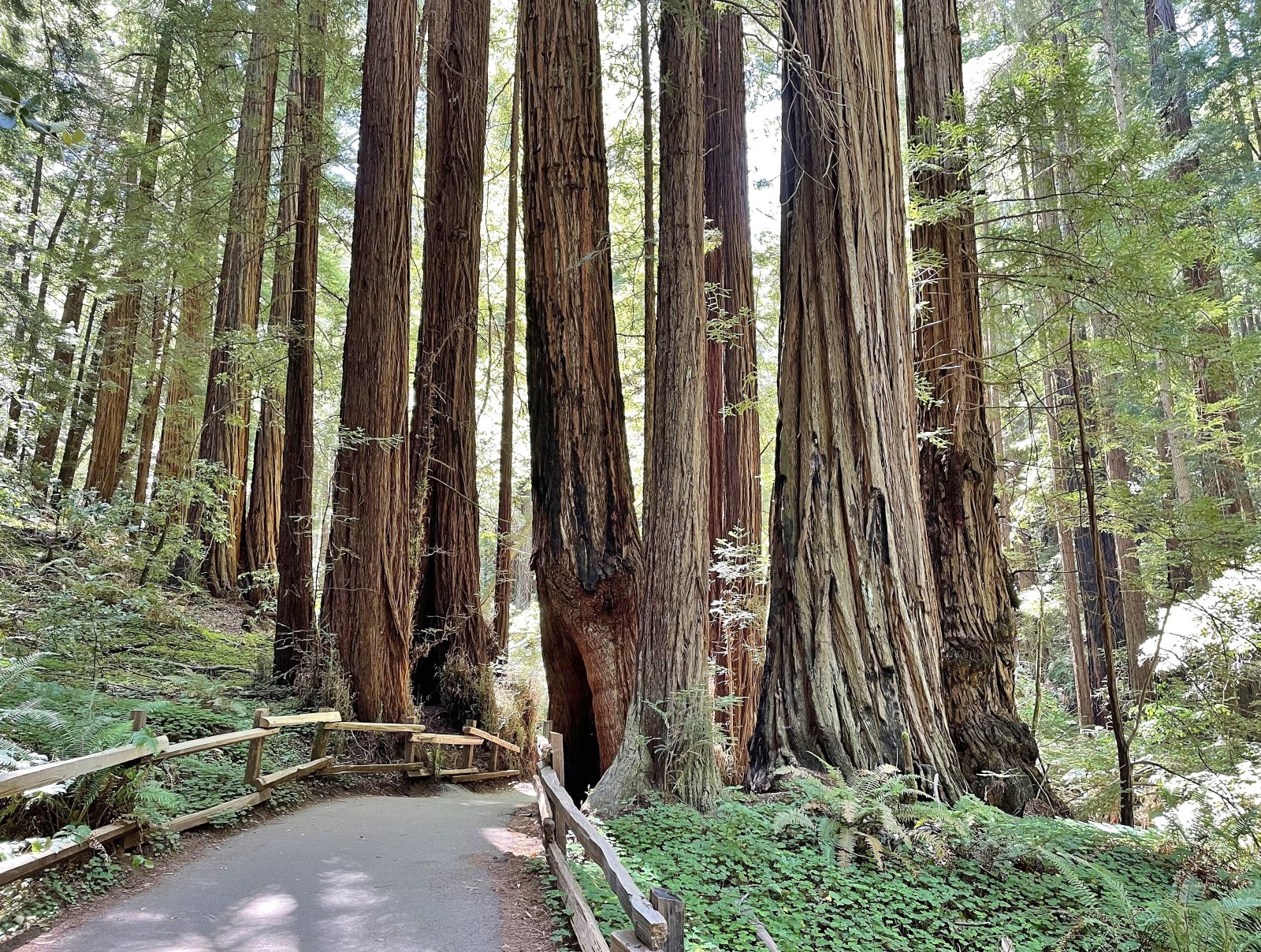
The history of Muir Woods is as rich and layered as the forest floor itself. These majestic trees have stood for over a millennium, witnessing the rise and fall of civilizations. The area was originally inhabited by the Coast Miwok people, who revered the land and its towering guardians. It wasn't until 1908 that the land was designated as a national monument by President Theodore Roosevelt, thanks to the advocacy of influential conservationist John Muir, after whom the park is named. Muir's vision was to protect these ancient trees from the rampant logging that threatened their existence, ensuring that future generations could marvel at their splendor.
While Muir Woods might not boast grand architectural structures, its natural architecture is no less impressive. The redwoods themselves are living monuments, their trunks reaching heights of up to 250 feet. The Cathedral Grove, a particularly serene area within the monument, is a testament to the forest's artistic significance. Here, visitors can experience the profound silence and vertical majesty that have inspired countless artists and photographers. The interplay of light and shadow within the grove creates a natural gallery, highlighting the intricate patterns of bark and the vivid green of the canopy above.
The local culture surrounding Muir Woods is deeply intertwined with the broader environmental movement. The nearby town of Mill Valley and the greater Marin County area have long been havens for nature lovers and environmental activists. This connection is celebrated through various local events, such as the annual Earth Day Festival, where the community gathers to honor and protect their natural surroundings. The culture here is one of reverence for nature, reflected in the sustainable practices and eco-friendly initiatives embraced by locals.
When it comes to gastronomy, the region offers a taste of the bountiful Californian landscape. While there are no dining facilities within the monument itself, the nearby areas offer culinary delights that reflect the natural abundance. Visitors can enjoy fresh, locally sourced produce at eateries in Mill Valley, with dishes often featuring ingredients like wild mushrooms, organic greens, and artisanal cheeses. The local wines, particularly those from nearby Sonoma and Napa Valleys, offer a perfect accompaniment to the flavors of the region.
For those seeking lesser-known curiosities, Muir Woods is a treasure trove of hidden wonders. One such marvel is the "banana slug," a bright yellow gastropod that thrives in the moist, shaded underbrush. These peculiar creatures play a vital role in the forest ecosystem, aiding in decomposition and nutrient cycling. Additionally, the monument is home to the endangered northern spotted owl, a species that relies on the old-growth forest for its survival. Spotting these elusive creatures can be a highlight for birdwatchers and nature enthusiasts alike.
Practical visitor information is crucial for making the most of a trip to Muir Woods. The park is open year-round, but the best time to visit is during the spring and fall, when the weather is mild, and the crowds are thinner. To preserve the tranquility of the forest, parking is limited, and reservations are required. Early morning visits are recommended for those who wish to experience the forest in solitude, as the dappled sunlight filters through the misty canopy. While traversing the trails, visitors should keep an eye out for the "Family Circle," a ring of redwoods that grow from the roots of a fallen ancestor, symbolizing the cycle of life and renewal.
In Muir Woods, every step along its winding trails is an invitation to connect with the ancient and the living, the past and the present. It's a place where nature writes its own poetry in the rustling leaves and the towering trunks, beckoning travelers to pause, reflect, and find their own stories within its timeless embrace.


