



Rising majestically at around 3,000 meters (about 9,850 feet), the Mulanje Massif is not only a geographical marvel but also a treasure trove of history and culture. This colossal mountain, with its steep cliffs and lush surroundings, has captured the imagination of explorers and locals alike for centuries.

### History and Origins
The Mulanje Massif has been a significant landmark for the Chewa and Ngoni peoples for generations, serving as a spiritual and cultural symbol. The mountain’s name is derived from the Chichewa word “Mulanje, which means “to be lost,” reflecting the mystery and allure that it holds. Historically, it was believed to be the abode of spirits and was used as a refuge during conflicts, including the Ngoni invasions in the 19th century.
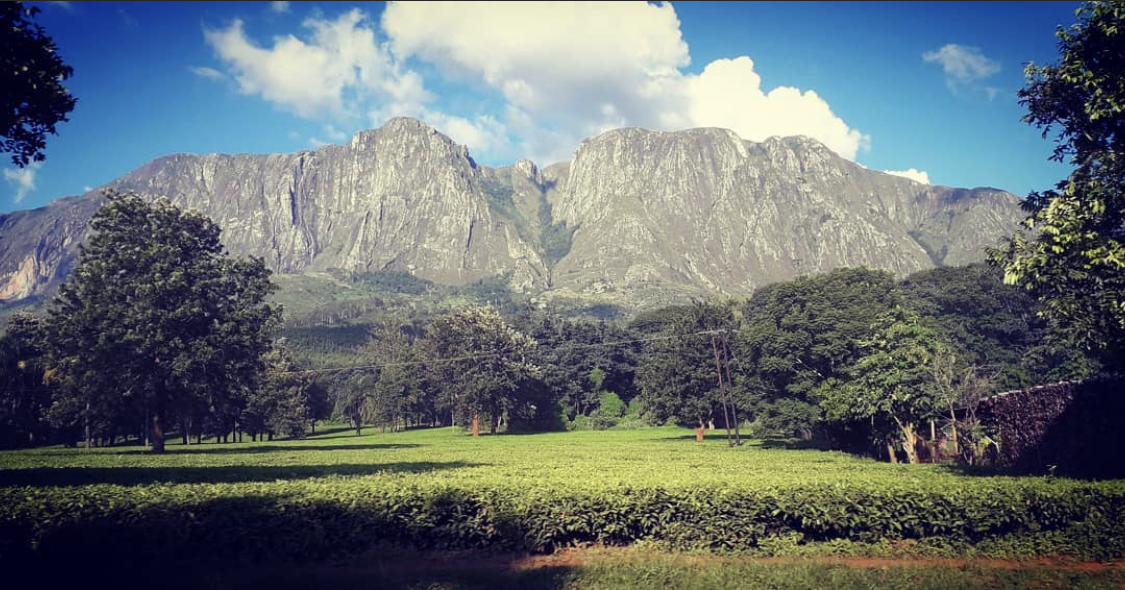
In the late 19th century, the mountain became a point of interest for European explorers and missionaries. David Livingstone, the famed Scottish missionary and explorer, is known to have traversed the region, documenting its natural beauty and the lives of local people. The establishment of Mulanje Mountain Forest Reserve in 1927 marked a commitment to preserving this stunning ecosystem, which is now a UNESCO Biosphere Reserve.
### Art and Architecture
While the Mulanje Massif itself is a natural wonder, the nearby towns reflect a blend of African and colonial architecture. Traditional houses often feature thatched roofs and mud walls, showcasing local craftsmanship. In contrast, remnants of colonial buildings, such as old churches and administrative offices, reveal a different era, complete with intricate wooden beams and stained-glass windows.
Local artisans contribute to the rich artistic landscape, particularly in crafting handwoven baskets and colorful textiles that depict the flora and fauna of the massif. These artworks not only serve as practical items but also as cultural expressions, celebrating the mountain's natural beauty.
### Local Culture and Traditions
The culture surrounding Mulanje is vibrant and steeped in tradition. Festivals such as Chaka Festival, held in early September, celebrate the harvest and involve traditional dances, songs, and local cuisine. The Chewa people, known for their rich oral traditions, often narrate stories about the mountain's spirits, reinforcing its significance in their cultural identity.
Local customs also embrace communal living, where neighbors come together for farming and festivities. Traditional ceremonies, including weddings and initiation rites, are vibrant affairs, often accompanied by elaborate dances and music that echo through the valleys of Mulanje.
### Gastronomy
The culinary offerings around Mulanje are a delightful exploration of local flavors. Staple foods include nsima, a thick porridge made from maize, often served with sukuma wiki (collard greens) and various relishes like fish stews or beef. The use of local ingredients, such as pumpkin and sweet potatoes, showcases the region’s agricultural richness.
One must not miss trying chibuku, a traditional sorghum beer that is a favorite among locals. This fermented drink, often enjoyed during social gatherings, has a unique taste and is a testament to the community's brewing traditions.
### Lesser-known Curiosities
While many visitors flock to the Mulanje Massif for trekking, few are aware of its hidden treasures. The Lichenbergia plant, endemic to this region, thrives on the rocky outcrops, making the area a hotspot for botanical research. Additionally, the Mulanje Cedar, a tree species endemic to the massif, holds ecological significance and is revered for its durability and beauty.
An intriguing story surrounds the Fort Lister Gap, where it is said that the spirit of a girl who once went missing in the mountains continues to guide lost travelers back to safety. Such tales enrich the cultural tapestry of the region, providing a mystical backdrop to the stunning landscapes.
### Practical Visitor Information
The best time to visit the Mulanje Massif is during the dry season, from April to October, when the weather is cooler and trails are more accessible. Trekking routes vary in difficulty, with the most popular leading to Sapitwa Peak, the highest point on the massif, offering breathtaking panoramic views.
Visitors should prepare adequately by packing layers of clothing, sturdy hiking boots, and sufficient water. It’s also advisable to hire local guides who can enhance the trekking experience with their knowledge of the terrain and local culture.
As you explore the lush paths of Mulanje, keep an eye out for the vibrant wildflowers and the fluttering butterflies that paint the landscape with color after the rains. The diverse wildlife, including playful monkeys and elusive hares, adds an enchanting element to the experience.
Whether you're seeking adventure, cultural immersion, or simply a serene retreat into nature, the Mulanje Massif offers an unforgettable journey. For a personalized adventure, consider planning your visit with the Secret World app to create an itinerary tailored to your interests.
