



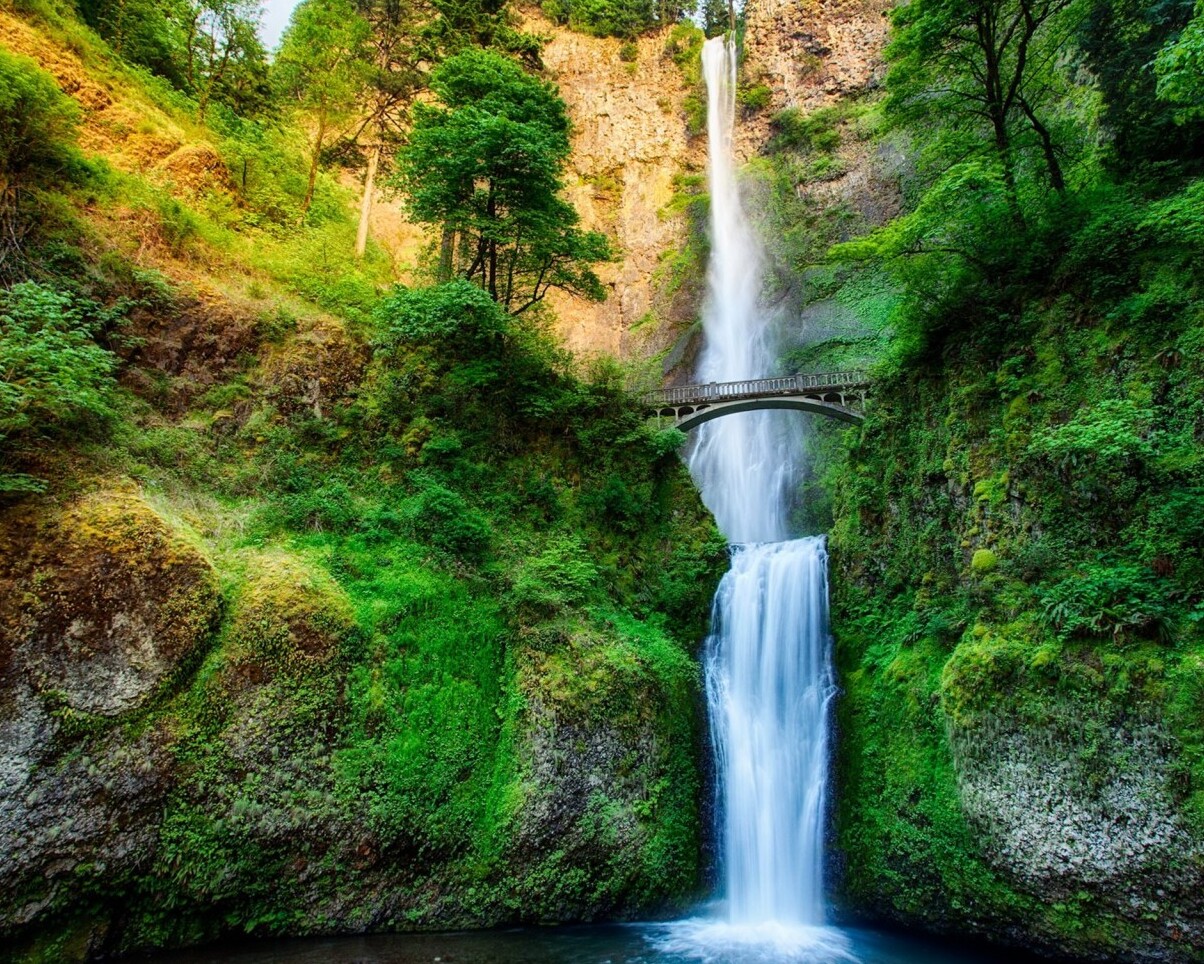
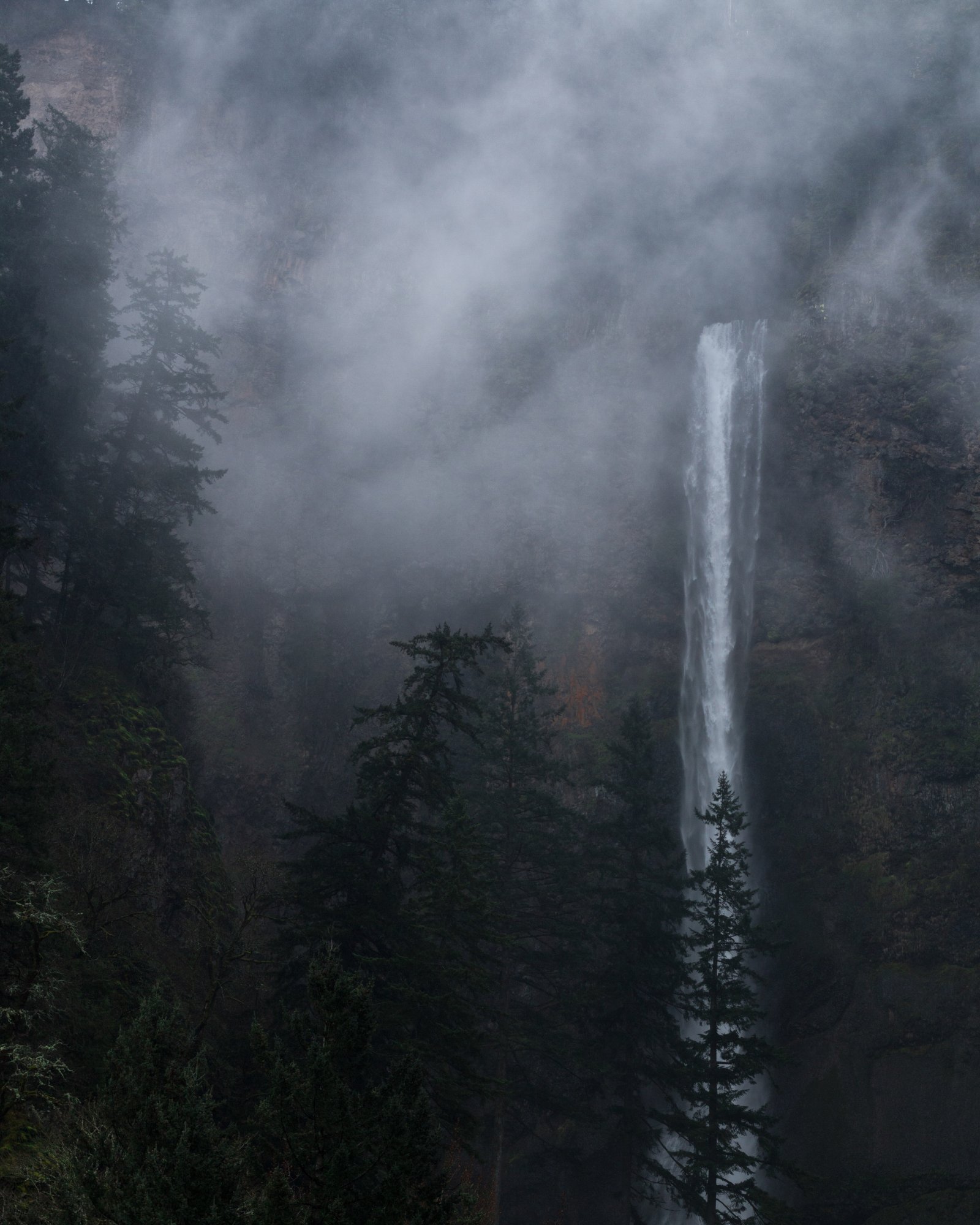
Nestled within the breathtaking Columbia River Gorge, Multnomah Falls stands as a testament to nature's grandeur. At a staggering 620 feet (189 meters), it is the tallest waterfall in Oregon, cascading down two distinct tiers of basalt cliffs. Its beauty has captivated visitors for centuries, with a history as rich as the land itself.
### History and Origins The indigenous peoples of the region, particularly the Multnomah tribe, have long revered the falls, weaving it into their folklore and traditions. The name ‘Multnomah’ is derived from the tribe’s name, which translates to “the place of the Multnomah.” European settlers began to explore the region in the mid-1800s, and by 1882, the falls were officially recognized when a land claim was filed by Joseph W. Meek. The establishment of the Historic Columbia River Highway in the 1920s further opened access to this natural wonder, ensuring its status as a key attraction in the area.
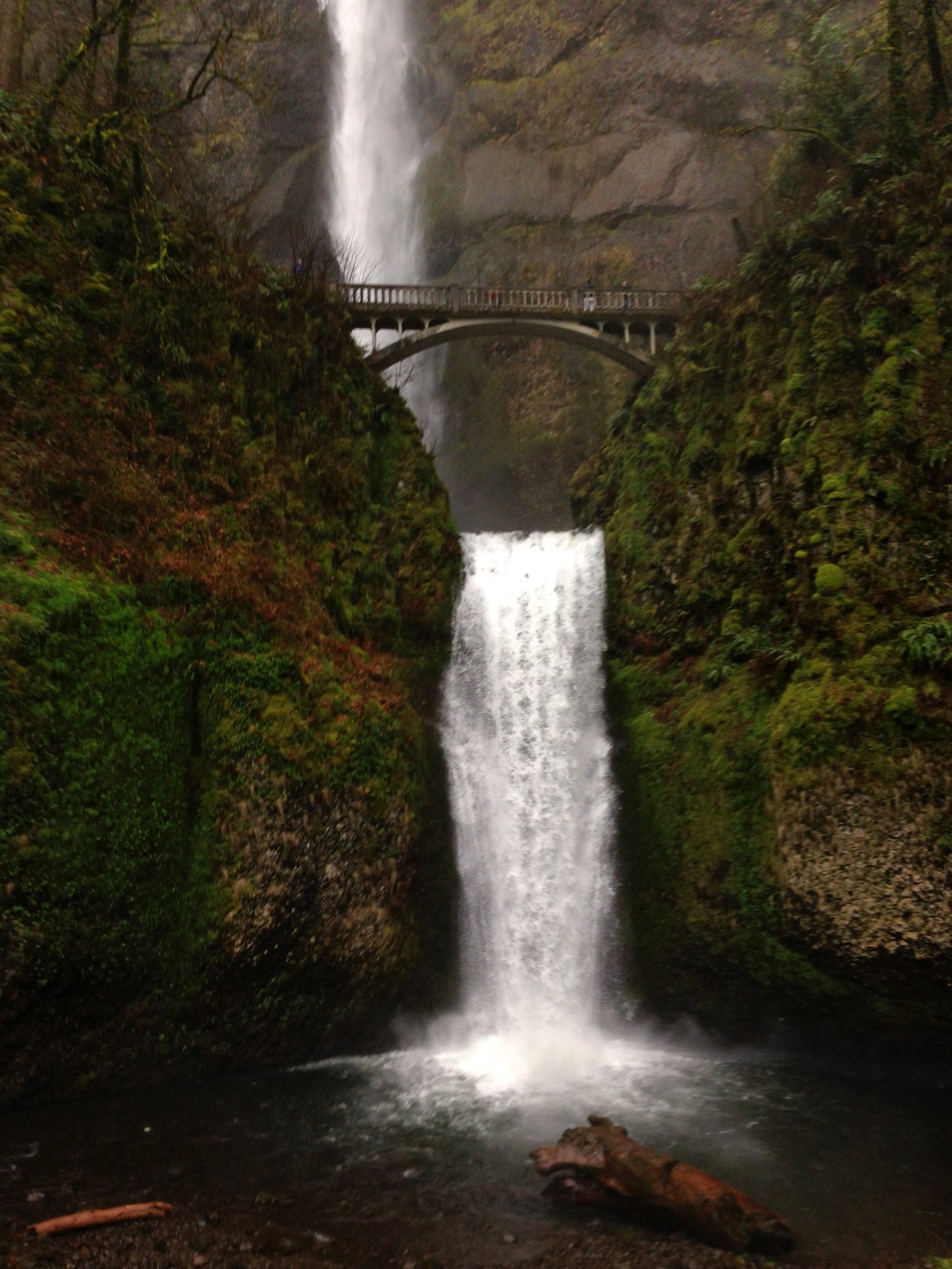
### Art and Architecture The most prominent architectural feature at Multnomah Falls is the Multnomah Falls Lodge, designed in the Arts and Crafts style by John B. Yeon in the 1920s. The lodge, constructed from local stone and timber, harmonizes beautifully with its natural surroundings. Inside, visitors can find artworks that celebrate the region’s stunning landscapes and cultural heritage, providing a glimpse into the local artistic expression. The bridge that spans the falls is another marvel, offering breathtaking views and photo opportunities for those brave enough to venture across.
### Local Culture and Traditions Local customs around Multnomah Falls are steeped in the traditions of the Native American tribes. Seasonal rituals often celebrate the bounty of the land, with gatherings that include storytelling, music, and crafts. The Columbia River Gorge is also known for its annual events, such as the Oregon State Fair and various art festivals, which showcase local artisans and their crafts. These events foster a sense of community and allow visitors to experience the area’s vibrant culture firsthand.
### Gastronomy The culinary landscape surrounding Multnomah Falls reflects the natural bounty of the Pacific Northwest. Local eateries often feature wild salmon, caught fresh from the river, served alongside seasonal vegetables. Craft breweries are plentiful, with many offering unique local beers that complement the region’s rich flavors. Don’t miss out on trying a slice of Blackberry pie, made from the abundant berries that grow wild in the area, a local favorite that embodies the essence of Oregon.
### Lesser-known Curiosities While many visitors flock to the viewing platform, few know that Multnomah Falls has a hidden side. Take a hike on the Larch Mountain Trail, and you’ll discover stunning views that few tourists see. Additionally, the area is home to a diverse range of wildlife, including the elusive Cougar and various bird species, making it a birdwatcher’s paradise. A little known fact is that the falls freeze in winter, creating a spectacular ice formation that transforms the landscape into a winter wonderland, attracting photographers and adventurers alike.
### Practical Visitor Information The best time to visit Multnomah Falls is during the spring and early summer months when the water flow is at its peak due to melting snow. Autumn also offers a stunning backdrop as the leaves change color, providing a picturesque setting. To beat the crowds, consider arriving early in the morning or later in the day. Be sure to wear sturdy shoes if you plan to hike the surrounding trails, and don’t forget your camera to capture the breathtaking views.
In conclusion, Multnomah Falls is not just a scenic spot; it is a portal into the rich tapestry of Oregon’s natural beauty and cultural heritage. Explore its trails, savor the local cuisine, and immerse yourself in the stories of the past. For a personalized journey through this wonder, consider using the Secret World app to plan your perfect itinerary.
