
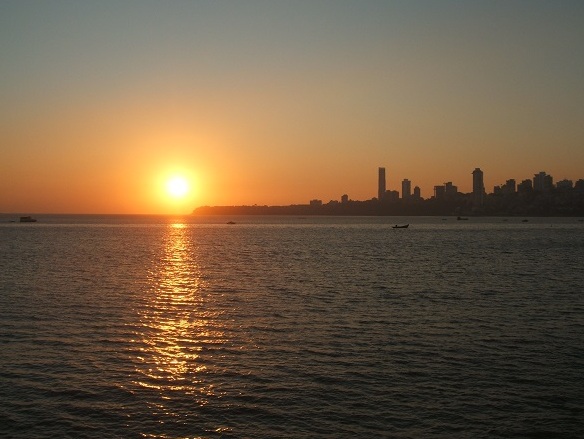

As the sun dips below the horizon, casting a golden hue over the waters of the Arabian Sea, Marine Drive emerges as a breathtaking spectacle, drawing both locals and tourists to its embrace. This iconic 3.6-kilometer stretch, known affectionately as the "Queen's Necklace" for its glittering lights that resemble a necklace when viewed from above, is not just a road; it is the lifeline of Mumbai, a city pulsating with energy and dreams.
History and Origins
The history of Marine Drive is as rich as the city it resides in. Originally, the area was a marshy stretch inhabited by fishing communities. The transformation began in the early 20th century when the Bombay Development Department launched the ambitious Marine Drive project in the 1920s. Designed by architect Sir Charles Correa, the road was completed in 1933, linking Malabar Hill to Nariman Point. This development not only provided a scenic route along the coastline but also facilitated urban expansion and the establishment of high-end residential and commercial areas.
Marine Drive has witnessed key historical events, including the influx of diverse communities during the British Raj and the subsequent post-independence urbanization. The area has become synonymous with the burgeoning cosmopolitan culture of Mumbai, where old traditions coexist harmoniously with modern aspirations.
Art and Architecture
The architectural significance of Marine Drive lies in its Art Deco style, a movement that flourished in the 1930s and 1940s. The buildings lining the drive are adorned with intricate geometric designs and bold colors, making it one of the largest collections of Art Deco architecture in the world. Notable structures include the Chowpatty Beach Hotel and the K. R. Cama Oriental Institute, both of which reflect the aesthetic grandeur of this era.
Beyond buildings, the promenade itself offers a canvas for local artists who showcase their talent through street performances and exhibitions. Murals and sculptures dot the area, each telling a unique story that contributes to the vibrant artistic tapestry of Marine Drive.
Local Culture and Traditions
Marine Drive is a melting pot of cultures, reflecting the diverse tapestry of Mumbai itself. The promenade serves as a social hub where locals gather, particularly during the evenings. It is common to see families enjoying picnics, couples taking romantic strolls, and street vendors selling snacks.
Among the local customs, the celebration of festivals like Ganesh Chaturthi and Diwali is particularly vibrant. During these times, the area comes alive with decorations, music, and traditional performances, showcasing the city's rich cultural heritage. The annual Mumbai Marathon, which passes through Marine Drive, is another highlight that brings together thousands of participants from various walks of life.
Gastronomy
No visit to Marine Drive is complete without indulging in its culinary delights. The area is famous for its street food, particularly at Chowpatty Beach, where visitors can savor local favorites such as pav bhaji, a spicy vegetable mash served with bread, and bhel puri, a tangy snack made from puffed rice, vegetables, and chutneys.
For those seeking a more upscale dining experience, the luxurious restaurants along Marine Drive, such as The Oberoi’s Zaffran and Sea Lounge, offer exquisite views along with gourmet meals that celebrate both traditional Indian and contemporary cuisines. Don’t miss the opportunity to sip on a refreshing masala chai or indulge in a freshly made lassi from a local vendor.
Lesser-known Curiosities
While many flock to Marine Drive for its scenic beauty, there are intriguing stories that often go unnoticed. For instance, the original name of Marine Drive was Netaji Subhash Chandra Bose Road, honoring the prominent freedom fighter.
Another hidden gem is the Hanging Garden of Malabar Hill, situated just a short walk from the northern end of Marine Drive. This terraced garden offers a serene escape from the city’s hustle, featuring beautiful flowerbeds and stunning views of the Arabian Sea.
Moreover, locals often flock to Marine Drive to witness the phenomenon of the "high tide," where water can reach the road, sometimes creating a spectacular splash. This natural event attracts photographers and enthusiasts alike, eager to capture the moment.
Practical Visitor Information
The best time to visit Marine Drive is during the cooler months, from November to February, when the weather is pleasant and ideal for outdoor activities. Early mornings and late evenings are particularly enchanting, as the rising or setting sun creates a magical backdrop.
When visiting, it’s advisable to wear comfortable shoes, as exploring the promenade on foot allows you to soak in the atmosphere fully. Keep your camera ready to capture the stunning views, and don’t hesitate to engage with local vendors and artists, who add to the vibrant spirit of the area.
As you plan your visit to this iconic stretch of Mumbai, consider using the Secret World app to create a personalized AI itinerary tailored to your interests.


