
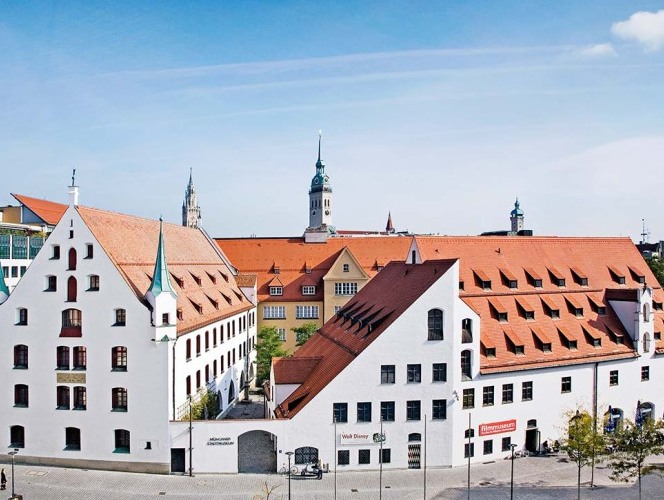

Nestled in the heart of München, the Münchner Stadtmuseum stands as a testament to the city's rich tapestry of history, culture, and creativity. This vibrant museum invites visitors to delve into the very soul of Munich, revealing its eclectic personality through diverse collections that span centuries.
The Münchner Stadtmuseum traces its origins back to the 19th century. Established in 1888, the museum was originally founded as the München Stadtmuseum to serve as a repository for the city's historical artifacts. The building itself, completed in 1894, is an architectural marvel designed in the Renaissance Revival style. Its façade, adorned with decorative details, reflects the grandeur of the era while hinting at the stories contained within. Over the years, the museum has grown significantly, evolving into a cultural hub that documents the city's journey through time.
Walking through the museum's doors, visitors encounter a wealth of collections that encompass a wide array of subjects. The "Typisch München" exhibition is particularly noteworthy, showcasing a remarkable assortment of over 400 items that chronicle various aspects of Munich's identity. From traditional Bavarian costumes to historical photographs, this permanent collection provides insight into the everyday lives of Munich's residents across different eras.
The museum also places a strong emphasis on the darker chapters of Munich's history, particularly the National Socialism era and the Cold War. Special exhibitions and documentation highlight the city’s complex role as West Germany's secret capital during a tumultuous time in history. Artifacts from this period, including propaganda materials and personal accounts, offer a sobering reminder of the past while encouraging reflection and understanding.
Beyond its collections, the architectural significance of the Münchner Stadtmuseum is striking. The building's grand staircase leads to a series of beautifully curated galleries and spacious exhibition halls. Notable artworks, including pieces by local artists, adorn the walls, creating a harmonious blend of history and modernity. The museum's design not only serves as a backdrop for its exhibits but also embodies the cultural aspirations of Munich’s citizens throughout the ages.
Local customs and traditions play a vital role in the museum's narrative. Munich is known for its lively festivals, and the Oktoberfest, celebrated annually, is perhaps the most famous. This world-renowned beer festival offers a glimpse into Bavarian culture, and the museum often features exhibitions that explore the origins and evolution of such traditions. Visitors can learn about the historical significance of certain customs, such as the Wiesn, and how they shape the identity of Munich today.
Gastronomy is another essential aspect of Munich's culture, and the Münchner Stadtmuseum provides insights into local culinary delights. Traditional Bavarian dishes, such as Weisswurst (white sausage), Pretzels, and Schweinshaxe (pork knuckle), are staples that reflect the region's rich agricultural heritage. The museum often collaborates with local chefs and culinary historians to showcase the evolution of Bavarian cuisine, allowing visitors to taste the flavors of Munich while learning about their historical context.
For those seeking lesser-known curiosities, the Münchner Stadtmuseum is full of surprises. One intriguing fact is that the museum houses a collection of marionettes that dates back to the 18th century, used in traditional puppet theaters. Additionally, the museum's photography collection includes rare images of Munich during World War II, capturing the resilience of its people amidst destruction. Hidden details can be found throughout the museum, such as the intricate carvings on display cases that tell their own stories of craftsmanship and artistry.
When planning a visit to the Münchner Stadtmuseum, timing is key. The best time to explore is during the spring and early autumn months when the weather is mild, and the city is abuzz with activity. To fully appreciate the museum's offerings, consider joining one of the guided tours, which provide invaluable insights and context. Don't forget to allocate time for the museum's café, where you can savor a slice of traditional Bienenstich (bee sting cake) paired with a cup of local coffee.
In conclusion, the Münchner Stadtmuseum is not just a place to observe artifacts; it is a cultural experience that invites reflection on the past while celebrating the vibrant spirit of Munich. As you wander through its halls, you'll discover a city rich in history, artistry, and culinary delights, all interwoven to create a unique cultural narrative. For a personalized journey through Munich's treasures, consider using the Secret World app to plan your itinerary.


