🎄 Win a month in Italy for two — €10,000 · The Secret Italy Prize GO →
Mungo National Park — Mungo
← Back
Gardens and Parks 📍 Mungo, Australia 351 views

Mungo National Park

Mungo National Park in Australia is like a real-life time capsule, a sprawling tableau of both natural and human history. Let's start with its most headline-grabbing residents—Mungo Man and Mungo Lady. These aren't the names of some enigmatic outback explorers but refer to the re...

Photo · Brenda F.

Mungo National Park — Mungo, Australia.

Location
Mungo
Type
Gardens and Parks
Opening hours
Weather now
15°C
↗ Directions

About Mungo National Park

Mungo National Park - Mungo | Secret World Trip Planner

Mungo National Park in Australia is like a real-life time capsule, a sprawling tableau of both natural and human history. Let's start with its most headline-grabbing residents—Mungo Man and Mungo Lady. These aren't the names of some enigmatic outback explorers but refer to the remains of two of Australia's earliest known humans. Dated to be around 40,000 years old, Mungo Man offers the oldest evidence of human life on the Australian continent. The remains of Mungo Lady, intriguingly, were partially cremated, pointing to complex burial rituals that involved multiple stages of burning. Imagine the significance—40,000 years ago, people were conducting burial rites that were rich in symbolism and layered in ritual.

Mungo National Park - Mungo | Secret World Trip Planner

But the park isn't just a one-hit wonder with its ancient remains. It's an archeological goldmine featuring a staggering array of footprints—460 to be exact—that belong to adults, adolescents, and children. These footprints offer a rare and intimate glimpse into the lives of people who lived between 19,000 to 23,000 years ago. It's akin to time-travel, where every step you take could be alongside the ghostly imprints of people who walked the very same soil thousands of years before you.

Beyond the human story, Mungo National Park is also a paleontological treasure trove. From megafauna to extinct species, the area has coughed up remains of 40 different types of animals that no longer roam the Earth. These finds have been invaluable for understanding Australia's ecological history, providing insights into the animals that once populated this harsh and beautiful landscape.
Mungo National Park - Mungo | Secret World Trip Planner

In recognition of its unparalleled historical and scientific importance, the Willandra Lakes Region, of which Mungo National Park is a part, was designated a UNESCO World Heritage Site in 1981. It's not just a nod to the park's past, but a commitment to preserving its stories for future generations.

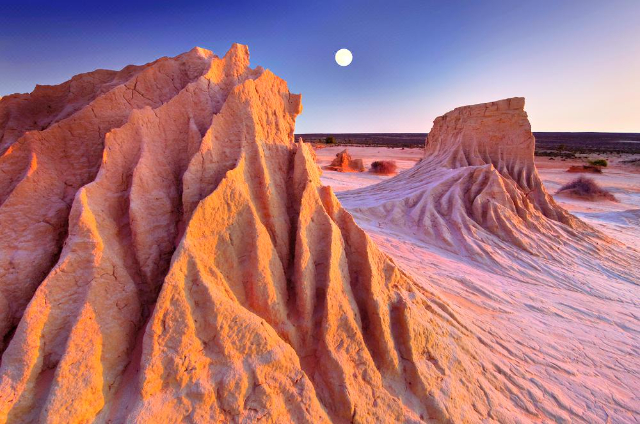
The park also houses breathtaking natural formations, such as the Walls of China—a series of dramatic sand and clay dunes that have been eroded into stunning formations. So, whether you're an archaeology buff, a nature enthusiast, or someone who simply appreciates the grand tapestry of time and life, Mungo National Park is an awe-inspiring destination. Each grain of sand seems to whisper ancient secrets, and the winds carry stories that stretch back over millennia. Visiting Mungo is not just a trip; it's a journey through time itself.

Frequently Asked Questions

Mungo Man's remains are approximately 40,000 years old, making them the oldest known evidence of human life on the Australian continent. This discovery has been crucial in understanding the early settlement and presence of humans in Australia during prehistoric times.
The park features 460 preserved footprints dating back 19,000 to 23,000 years ago, belonging to adults, adolescents, and children. These footprints offer a rare and intimate glimpse into the daily lives and movement patterns of ancient people who inhabited the region, essentially allowing you to walk alongside the imprints of your ancestors.
Mungo Lady's remains were partially cremated, indicating that ancient people conducted complex burial rituals involving multiple stages of burning and symbolism. This discovery suggests that people living 40,000 years ago had sophisticated cultural and spiritual practices surrounding death and commemoration.
The park is a paleontological treasure trove containing remains of 40 different types of animals that are now extinct, including megafauna species. These findings have been invaluable for understanding Australia's ecological history and the types of wildlife that once populated this harsh landscape.
Yes, the Willandra Lakes Region, of which Mungo National Park is a part, has been designated as a UNESCO World Heritage Site in recognition of its unparalleled historical and scientific importance. This status acknowledges the park's significance as one of the world's most important archaeological and paleontological sites.

Experiences nearby · Mungo

Powered by Viator

See more on Viator.com

Secret World Hidden places, real stories — plan your trip
Get the app
