
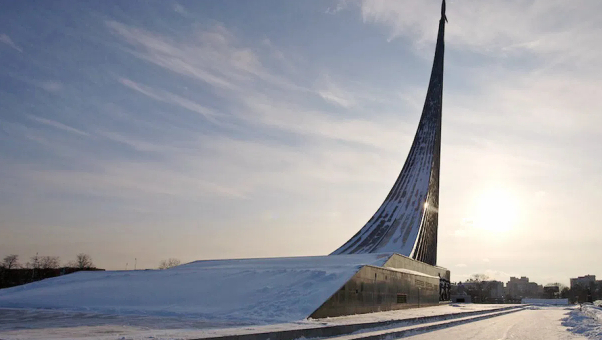

The Museo della Cosmonautica (Музей Космонавтики) in Moscow, perched at the base of the Monument to the Conquerors of Space, stands as a testament to humanity's celestial ambitions. This museum, dedicated to space exploration, invites visitors to journey through the cosmos, revealing the rich tapestry of human ingenuity that has propelled us beyond our terrestrial bounds.
The origins of the museum trace back to a pivotal moment in history: April 12, 1961, when Yuri Gagarin became the first human to orbit the Earth. To commemorate this historic achievement, the museum was inaugurated on April 10, 1981, marking the 20th anniversary of Gagarin’s flight. The museum was initially focused almost exclusively on the Soviet space program, celebrating key figures like Sergey Korolyov, the chief designer behind the Soviet spacecraft. Over the years, it has expanded its narrative to include global contributions to space exploration, reflecting a more comprehensive view of humanity's quest for knowledge beyond our planet.
Architecturally, the museum is striking, featuring a futuristic design that mirrors the themes of space and exploration. The exterior is characterized by sleek lines and dynamic forms, reminiscent of rockets and spacecraft. Inside, the layout is both functional and inspiring, guiding visitors through various exhibits that house around 85,000 objects related to space travel, astronomy, and technology. Noteworthy installations include the original Vostok capsule, which carried Gagarin, and interactive displays that engage visitors with immersive experiences of space missions.
The cultural significance of the Museo della Cosmonautica extends beyond its exhibitions. The museum plays a critical role in fostering a sense of national pride in Russia’s achievements in space. Local customs often celebrate milestones in space exploration, with events like the Cosmonautics Day on April 12, where enthusiasts gather to reflect on the achievements of pioneers like Gagarin. Festivals and educational programs are frequently organized, encouraging young minds to dream of the stars.
When it comes to gastronomy, the area surrounding the museum reflects the rich culinary landscape of Moscow. Visitors can savor traditional Russian dishes such as borscht, a beet soup that represents the heart of Russian cuisine, or pelmeni, dumplings filled with meat. Nearby cafés often serve kasha, a hearty porridge that symbolizes comfort food in Russia. Pairing these dishes with a glass of kvass, a fermented beverage made from rye bread, offers a delightful taste of local culture.
For those looking to delve deeper, several lesser-known curiosities await discovery within the museum’s walls. One surprising detail is the inclusion of a section dedicated to the Buran program, the Soviet response to NASA’s Space Shuttle, which often goes unnoticed by casual visitors. Additionally, the museum houses a stunning planetarium, allowing guests to experience a starry night sky and learn about constellations and astronomical phenomena. A hidden gem is the Space Exploration Hall, where original equipment and artifacts from early missions are displayed, providing insight into the challenges faced by early astronauts.
The best time to visit the Museo della Cosmonautica is during the spring and early autumn months when the weather in Moscow is most pleasant. Weekdays are ideal for avoiding crowds, allowing a more intimate experience with the exhibits. When visiting, don’t miss the opportunity to witness the impressive model of the ISS (International Space Station) and the various interactive exhibits that allow for a hands-on exploration of the cosmos.
In summary, the Museo della Cosmonautica is not just a museum; it is a celebration of humanity's quest for knowledge and exploration. From its rich history and architectural significance to the vibrant local culture and culinary delights, it offers a profound experience for all who enter its doors. For a personalized journey through Sankt-Peterburg, consider using the Secret World app to craft your ideal itinerary.


