
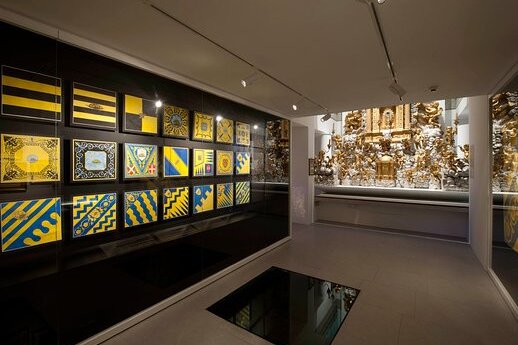

Nestled within the winding streets of Siena, the Museum of the Contrada della Tartuca offers an intimate glimpse into the heart of one of the city's most storied neighborhoods. This museum, annexed to the Oratory of the Contrada in via Tommaso Pendola, is dedicated to St. Anthony of Padua and showcases the vibrant culture and history of the Tartuca contrada, a district known for its rich traditions and fierce pride.
The Contrada della Tartuca has origins that trace back to the medieval period, with its founding linked to the division of Siena into various contrade, or districts, as a means to foster community and local identity. The Tartuca, symbolized by a tortoise, is one of the original contrade, and its history is interwoven with the Palio di Siena, a thrilling horse race that occurs twice a year. The first documented mention of the Tartuca dates to the 13th century, and over the centuries, it has witnessed numerous key historical events, including victories and challenges that shaped its identity.
Architecturally, the Oratory of the Contrada, designed between 1682 and 1685 by architects Niccolò and Iacomo Franchini, is a brilliant example of Baroque style, characterized by its ornate details and dramatic forms. The façade, adorned with intricate carvings, leads visitors into a space that feels both reverent and celebratory. Inside, the Museum of Sacred Furniture, inaugurated in 2008, houses a remarkable collection of sacred furnishings. Among these treasures is a masgalan—a ceremonial silver vessel from 1562—that depicts the mythological Rape of Europe, showcasing the exquisite craftsmanship of the period.
As you wander through the museum, the Costume Museum invites you to appreciate the elaborate mounts, or costumes, worn during the historical processions that have been an integral part of Sienese culture since the late 19th century. Each costume is a piece of art, meticulously designed to reflect the heritage of the Tartuca, with vibrant colors and intricate patterns that tell stories of the past.
The final section, the Palio Museum, is particularly captivating, as it preserves the Drappelloni—the richly embroidered banners awarded to the contrada after victories in the Palio. Among these are works by renowned artists such as Fernando Botero and Igor Mitoraj, whose contributions highlight the intersection of local heritage and contemporary art. These banners serve not only as symbols of victory but as a testament to the ongoing importance of the Palio in Sienese culture.
Local customs and festivals are deeply woven into the fabric of life in Siena, particularly for the Tartuca. The Palio, held every July 2 and August 16, is more than just a race; it is a vibrant celebration of community spirit. The Tartuca, along with the other contrade, prepares for months in advance, engaging in rituals, prayers, and rivalries that culminate in the dramatic race in the Piazza del Campo. The atmosphere is electric, with flags waving and supporters passionately cheering for their horses and jockeys.
Gastronomy plays a crucial role in the experience of visiting the Tartuca. Local specialties such as pici (a type of handmade pasta) and panforte (a traditional fruitcake) are must-tries. Vino Nobile di Montepulciano, a renowned red wine from the nearby region, pairs beautifully with hearty Tuscan dishes, offering visitors a taste of the local terroir. Sampling these delicacies while discussing the Palio's intricacies with locals can enrich your understanding of the culture.
For those seeking lesser-known curiosities, the museum reveals a treasure trove of hidden details. Did you know that the tortoise, symbol of the Tartuca, represents wisdom and longevity? Additionally, during the Palio, the contrade perform a unique ritual known as the Corteo Storico, a historical parade that precedes the race. This event is steeped in tradition, where participants don period costumes, creating a living tableau of Siena's history.
When planning your visit, the best time to explore the Museum of the Contrada della Tartuca is during the months leading up to the Palio. The atmosphere is vibrant, and the contrada's preparations are in full swing. Be sure to check the museum's schedule for special exhibitions or events, and consider joining a guided tour to gain deeper insights into the rich tapestry of Sienese culture.
Whether you're an art enthusiast, history buff, or a foodie, the Museum of the Contrada della Tartuca promises an unforgettable experience. The blend of artistry, history, and tradition creates a compelling narrative that resonates with both locals and visitors alike.
For a seamless exploration of Siena and its hidden gems, consider using the Secret World app to plan a personalized AI itinerary.


